
shutterstock

Top 6 Saudi Non-alcoholic Beverages

Last updated on June 10, 2026

Best Saudi Non-alcoholic Beverages
01

Tayiba Dattes

4.3 ·
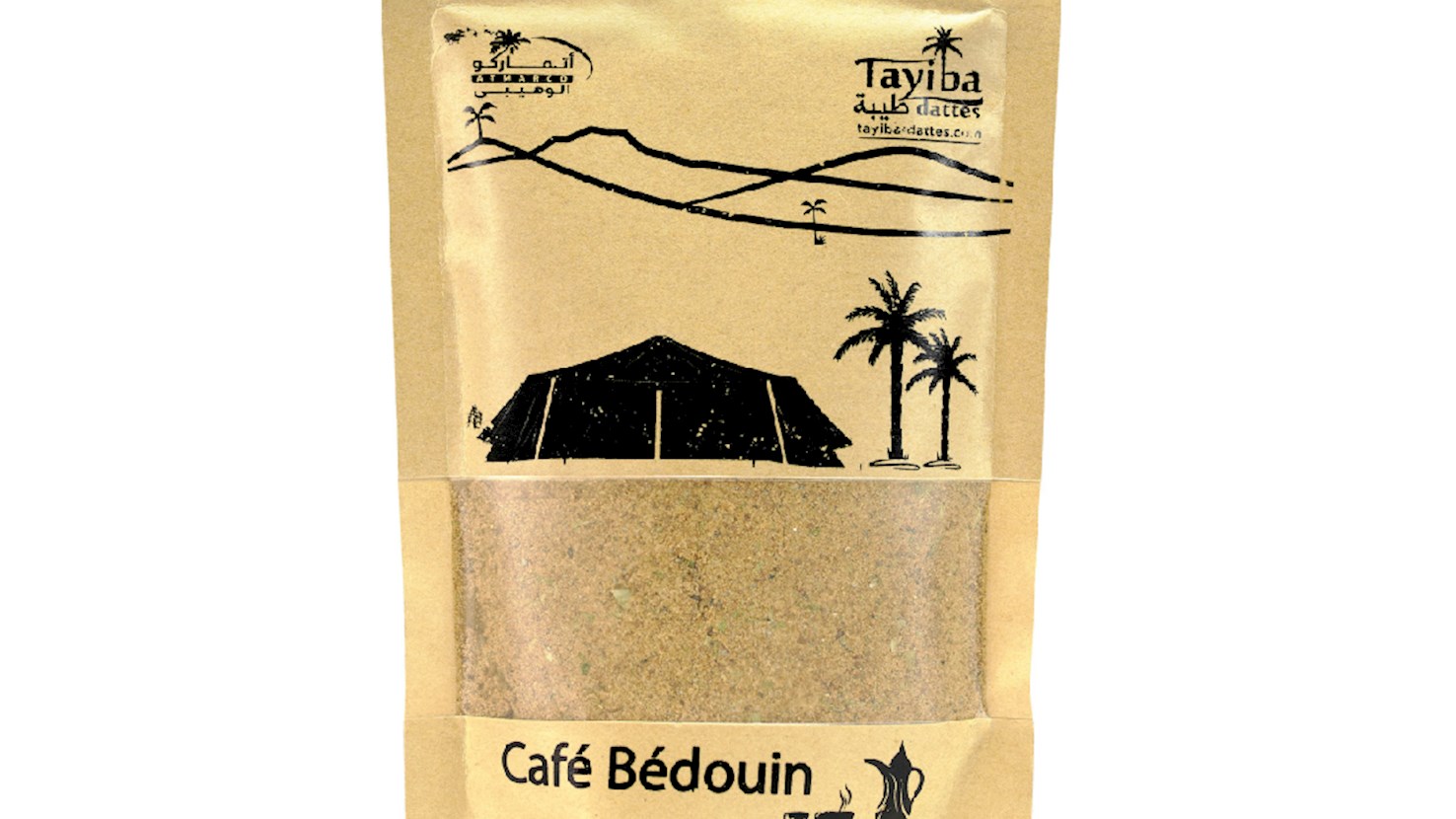
Tayiba Dattes is a renowned Saudi Arabian producer of high-quality Ajwa dates, known for their superior taste and texture. The company meticulously selects large-caliber dates to ensure freshness and premium quality in every batch. Tayiba offers both fresh and firm Ajwa varieties, catering to diverse customer preferences. Their production process emphasizes traditional cultivation methods while maintaining high safety and hygiene standards. This dedication has established Tayiba as a trusted name in the global market for authentic, flavorful Ajwa dates.
02

Alghada

4.3 ·
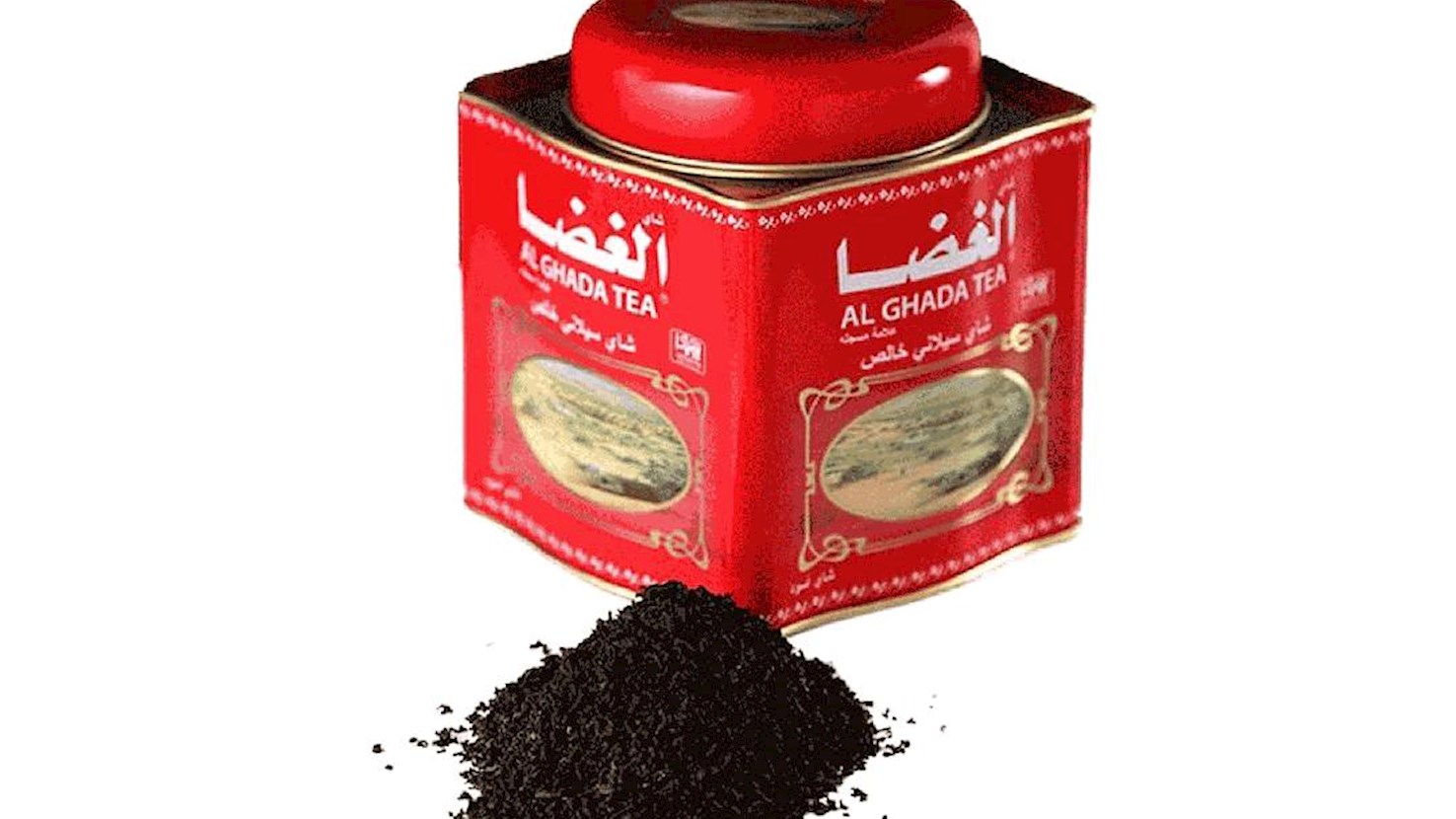
Al Ghada Tea is a premium tea brand based in Saudi Arabia, renowned for its dedication to quality and authenticity. The brand offers a diverse range of high-quality teas, including the finest Pure Ceylon Tea, sourced from carefully selected plantations to ensure exceptional flavor and aroma. Committed to excellence, Al Ghada Tea prioritizes traditional methods of tea production combined with modern packaging techniques to preserve freshness and taste. The brand caters to tea enthusiasts who seek a rich, authentic experience, providing blends that reflect the heritage and expertise of tea craftsmanship.
Awards
Crystal Taste Award - 3 stars (2024)
03

3Bean Coffee Roastery

4.3 ·
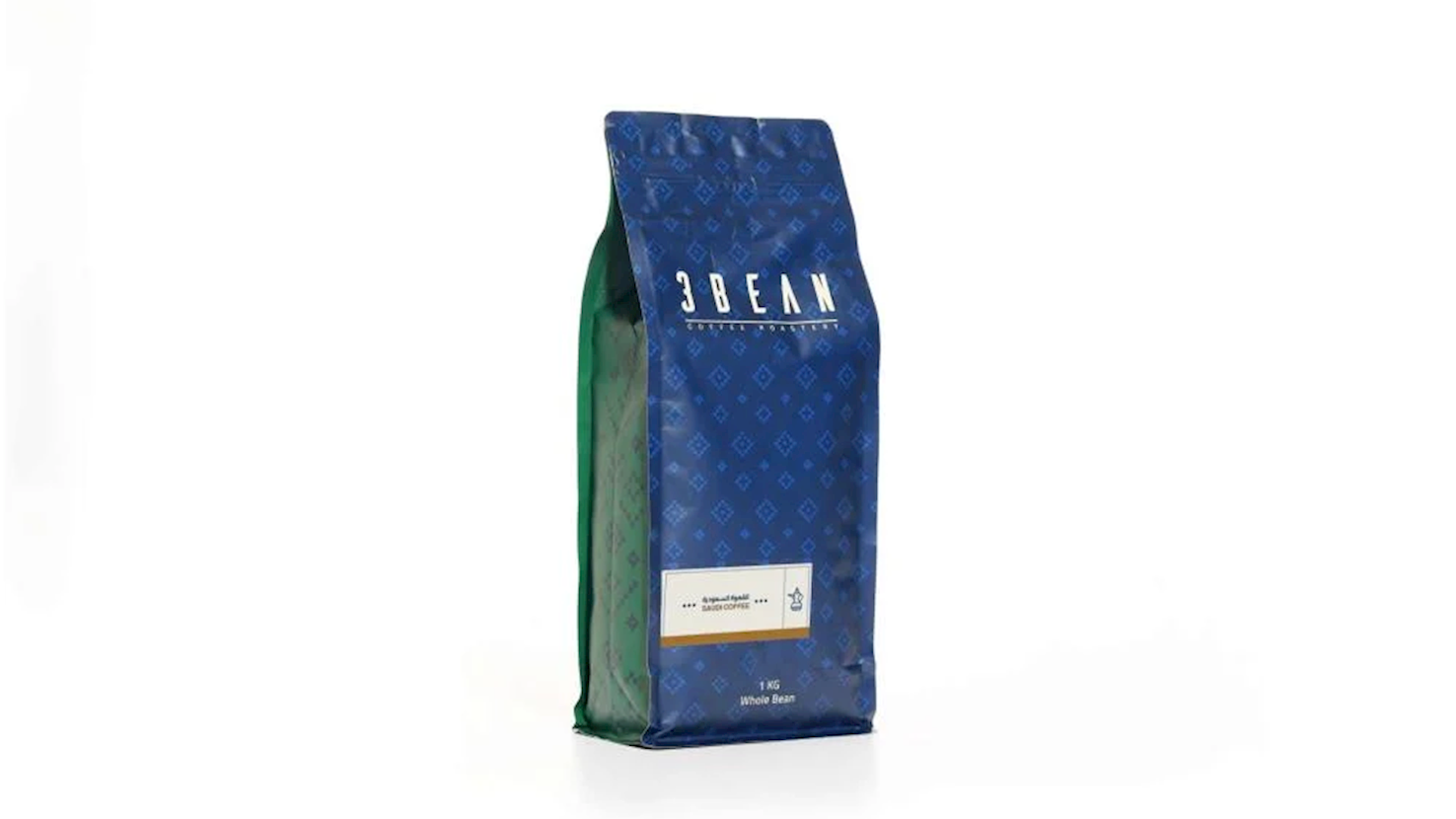
3Bean Coffee Roastery is a renowned specialty coffee producer based in Riyadh, Saudi Arabia, known for its commitment to quality and craftsmanship. The roastery focuses on sourcing premium coffee beans from around the world and expertly roasting them to highlight each origin's unique flavors. Offering a variety of single-origin beans and custom blends, 3Bean caters to both coffee enthusiasts and casual drinkers. Beyond roasting, they engage with the coffee community by hosting workshops and tastings, fostering a deeper appreciation for specialty coffee culture. Their dedication to quality has established them as a leading player in Saudi Arabia's rapidly growing specialty coffee industry.
04

Elixir Bunn Coffee Roasters

4.3 ·
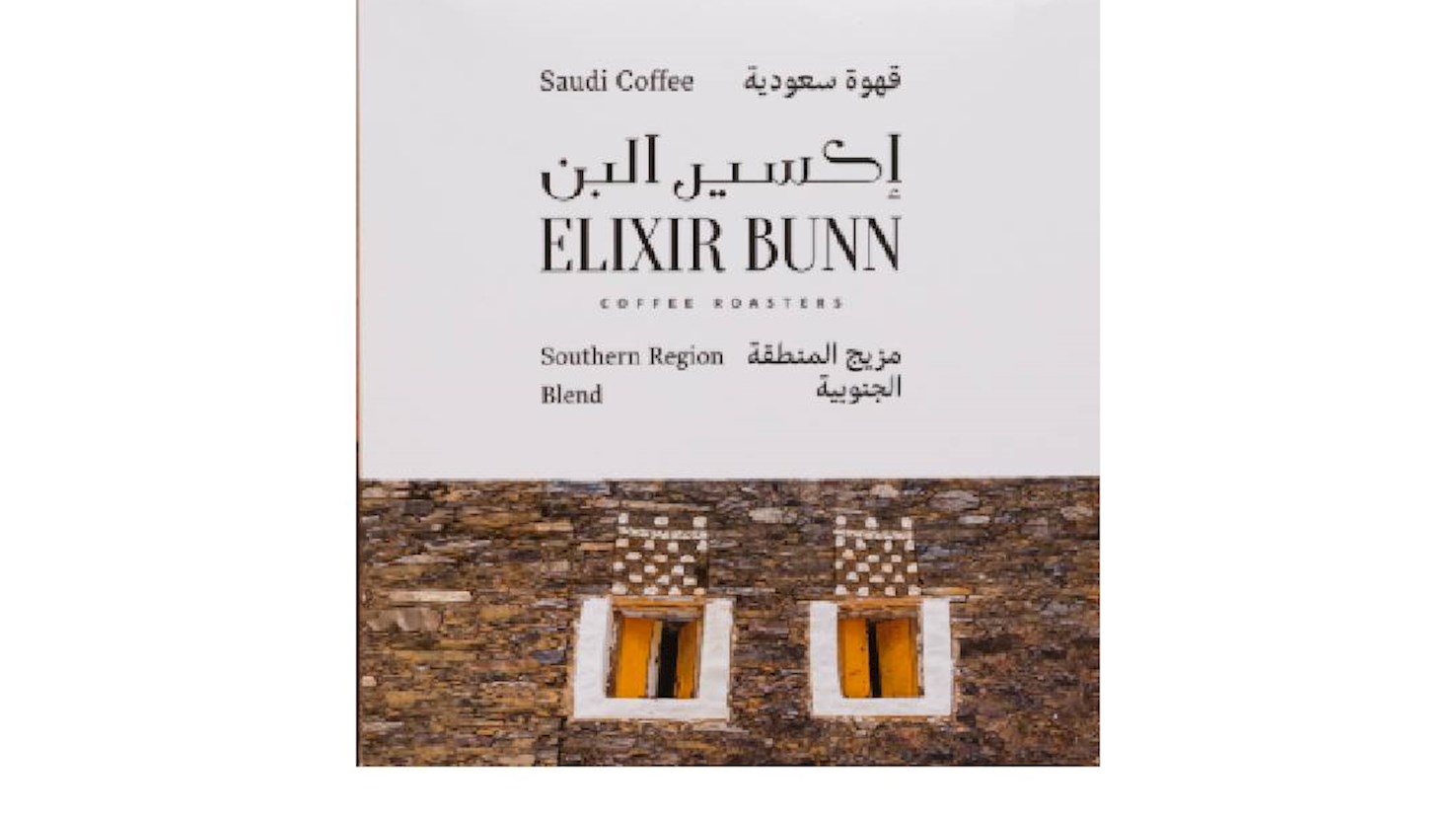
Elixir Bunn Coffee Roasters is a renowned specialty coffee company based in Riyadh, Saudi Arabia, founded in 2014. It is celebrated for its meticulous sourcing of single-origin, micro-lot, and organic coffee beans from around the world. These beans are roasted to perfection using a high-end German drum roaster, ensuring rich and diverse flavor profiles. The Riyadh café, designed by Azaz Architects, features a unique "Deco Temple" interior that blends Islamic architectural elements with modern design. Known for its lattes, flat whites, and black coffee, Elixir Bunn has become a prominent name in Saudi Arabia's growing specialty coffee culture, drawing praise from both locals and international visitors.
05

AlKamal Rose Factory

4.3 ·
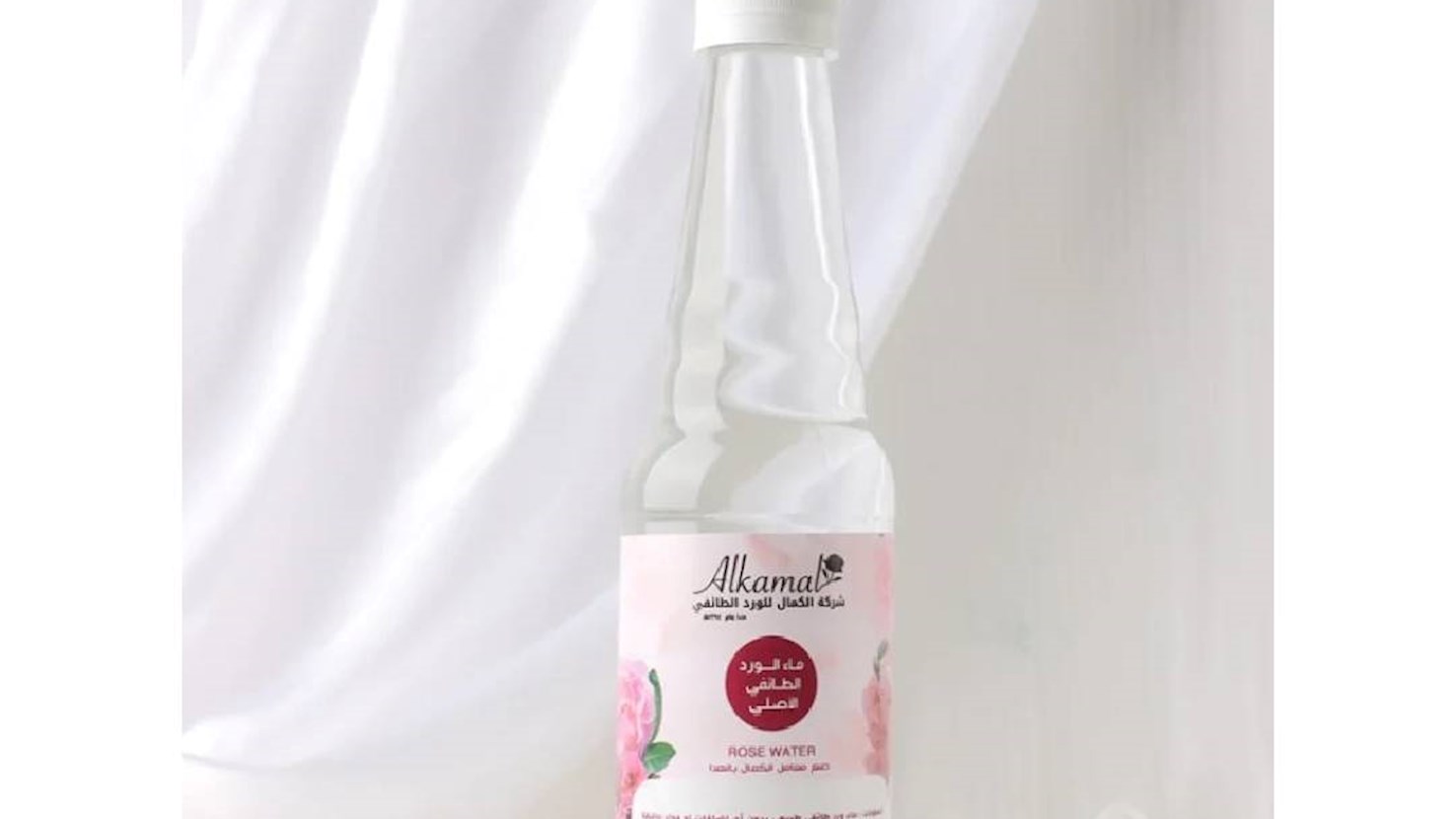
Al-Kamal Rose Factory is the oldest rose factory in Saudi Arabia, established in 1831 and located in the Al-Hada district of Taif. It is renowned for producing high-quality rose water and oil from the famous Taif roses, using traditional steam distillation methods passed down through generations. Managed by seventh-generation owner Khalid Al-Kamal and his three sons, the factory operates over 120 distillation pots, processing approximately 1.2 million roses daily during peak season. The factory’s products, including rose water and rose oil, are used in culinary, cosmetic, and religious applications, such as the ceremonial cleansing of the Kaaba in Makkah. This iconic institution embodies the rich legacy and cultural significance of rose production in Saudi Arabia.
06

Rashid Al-Qurashi Rose Factory

4.3 ·
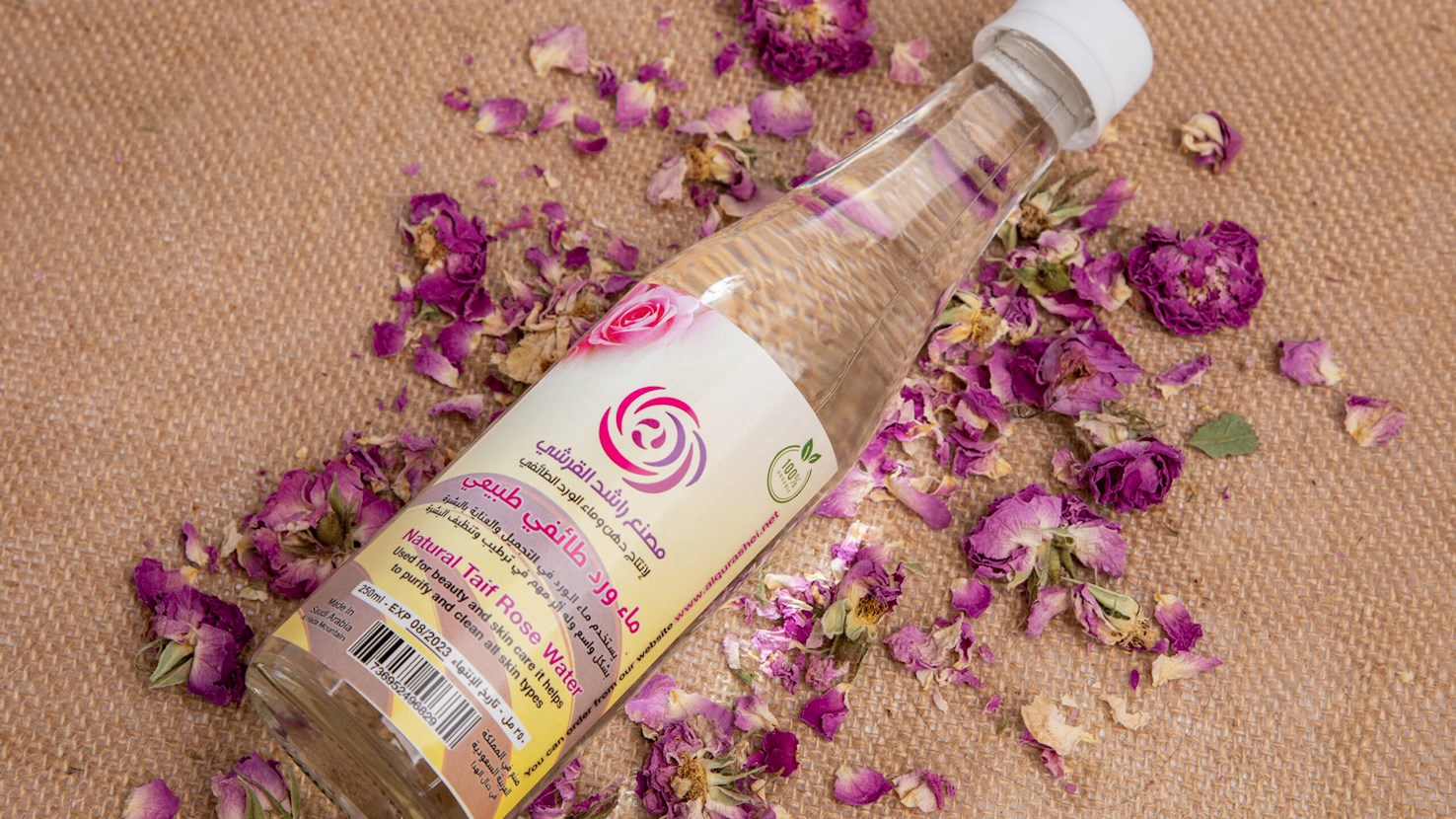
Rashid Al-Qurashi Rose Factory, located in Al Hada, Taif, Saudi Arabia, is a renowned producer of high-quality Taif rose products, including rose water and rose oil. Using traditional distillation techniques, the factory preserves the natural fragrance and essence of the Taif rose, which is globally celebrated for its intense aroma. The factory operates primarily during the rose harvest season, from March to April, coinciding with the annual Taif Rose Festival. Visitors are offered a unique experience, witnessing the transformation of thousands of handpicked roses into rose oil and water. The factory also features a café and a retail shop where guests can purchase authentic rose-based products, making it a popular tourist destination and a symbol of Saudi Arabia's rich cultural heritage.

Best Saudi Non-alcoholic Beverage Types
01

Ghahwa (Saudi coffee)

4.1 ·

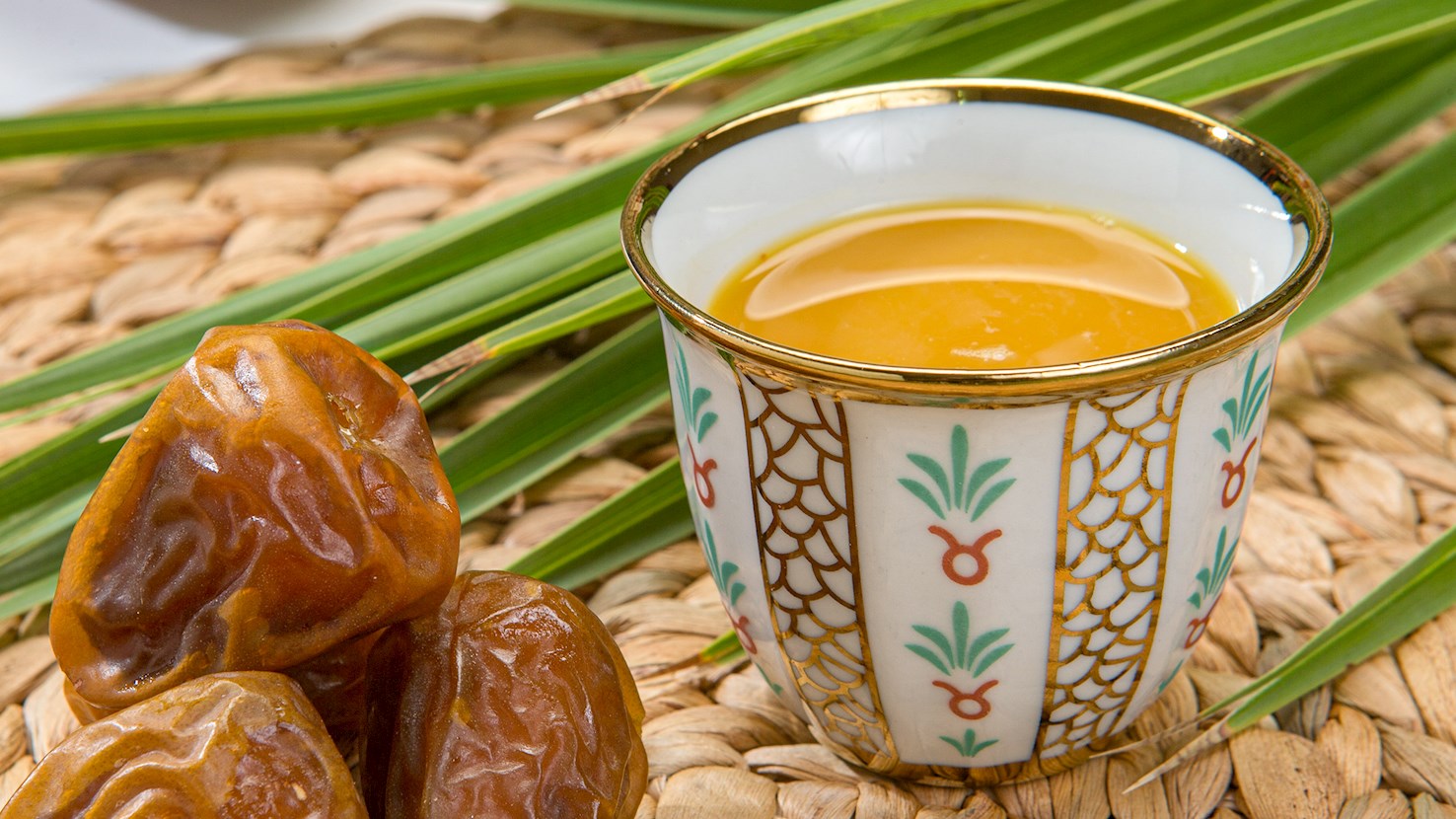
Saudi coffee, known locally as "ghahwa", "gahwa" or "qahwa", is a traditional Arabic coffee that holds significant cultural and social importance in Saudi Arabia. This distinctive beverage stands out not only for its unique preparation and flavor but also for the cultural rituals and traditions surrounding its consumption. Saudi coffee is made from lightly roasted coffee beans, giving it a lighter color compared to the dark roasts commonly used in Western coffee. The preparation process is unique and meticulous. The coffee is typically flavored with aromatic spices such as cardamom, saffron, cloves, and sometimes cinnamon. These spices infuse the coffee with a unique and fragrant flavor profile. The brewing process involves using a special pot called a "dallah." The water is boiled, ground coffee is added, and the mixture is allowed to steep. The spices are usually incorporated during or after brewing, enhancing the coffee’s aromatic qualities. Saudi coffee is traditionally served in small, handleless cups called "finjan." Unlike Western coffee servings, only a small amount of coffee is poured into the cup, just enough to cover the bottom. This practice is part of the coffee’s cultural etiquette. Serving ghahwa is a cornerstone of Saudi hospitality. It is often accompanied by dates and other sweets, creating a harmonious balance of flavors. The act of serving coffee usually begins with the most important guest, reflecting the values of respect and honor.

02

Sobia

3.6 ·

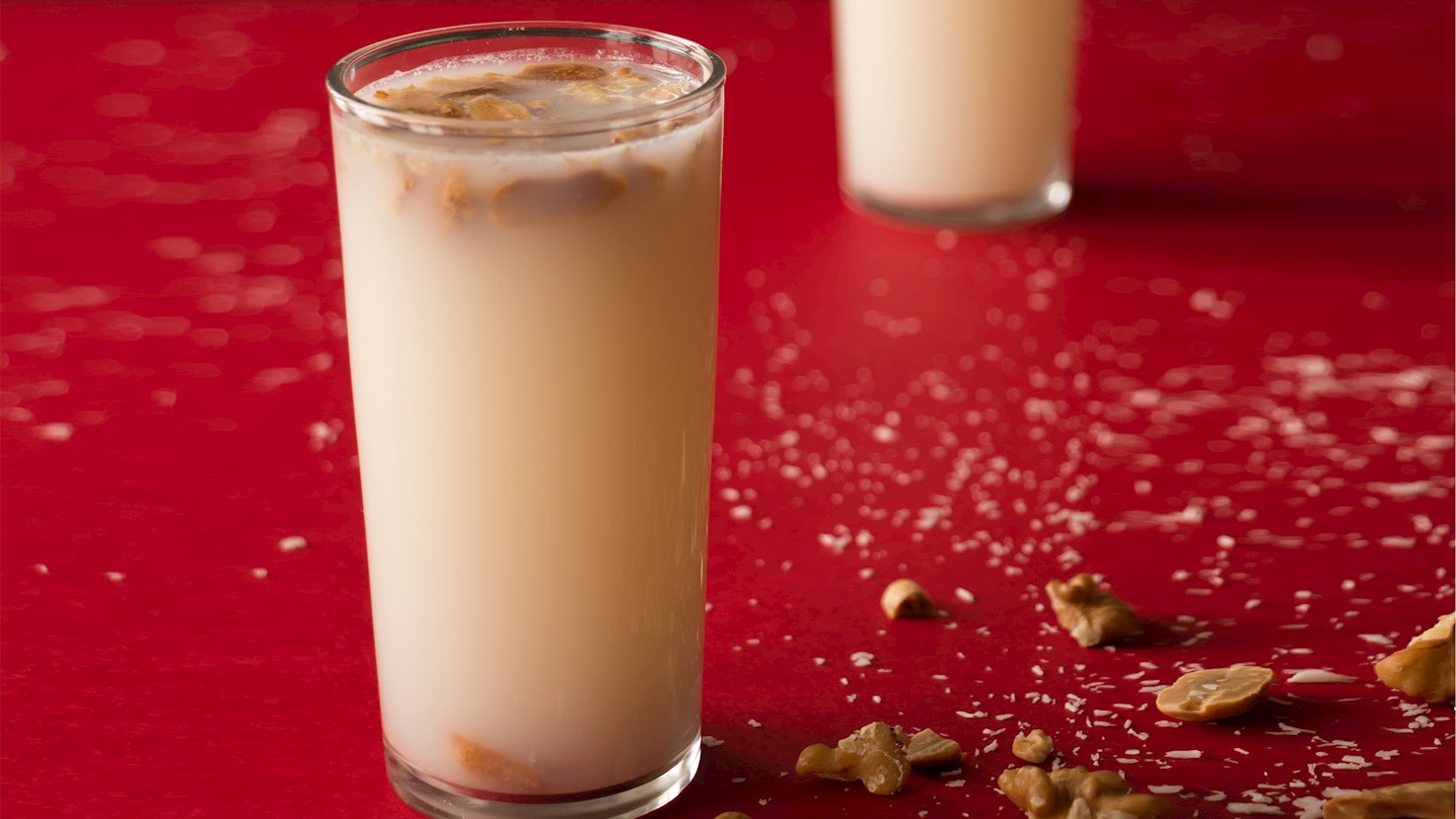
Hailing from Egypt, sobia is a refreshing rice-based drink that blends coconut milk, sugar, and ground rice. It is usually flavored with vanilla, and it can also be made with cooked rice. The ingredients are blended, and before serving, the drink is strained and should always be well chilled. Sobia is a sweet drink with a somewhat thick texture. The standard version has an off-white color, but some opt to add various food colorings to create brightly colored drinks. Sobia is enjoyed all year round, but it is traditionally prepared for Ramadan and served as a fast-breaking beverage. It is commonly made at home, sometimes with pre-mixed powders, but it is mostly sold by street vendors and comes packed in bottles or plastic bags. Saudi Arabian sobia does not have much in common with the Egyptian version—it is heavily spiced and based on cereals, but it is also commonly enjoyed for Ramadan.

03

Vimto

3.5 ·

Vimto is an iconic British purple-colored soft drink created in 1908 in Manchester, England. Originally, it was registered as a health tonic and came in the form of concentrated syrup intended to invigorate and refresh during the hot summer months. The name Vimto is derived from the words "vim," which means energy or vitality, and "to", which is shortened form of the word "tonic". Today, there are many variations of the original drink, with Vimto Cordial (still, dilutable version, closest to its original form) and Fizzy Vimto (premixed carbonated version) being the most popular ones. Vimto's unique flavor comes from its blend of fruits, herbs, and spices, which give it a distinctive taste that is sweet, tangy, and slightly fruity. The exact recipe is a closely guarded secret, but it is known that the key ingredients include grape juice, blackcurrant juice, raspberry juice, and a blend of secret herbs and spices. Vimto has become an iconic part of British pop culture and is often associated with special occasions such as Christmas and birthday parties, where it is used to make festive cocktails.

04

Qamar al-Din

3 ·

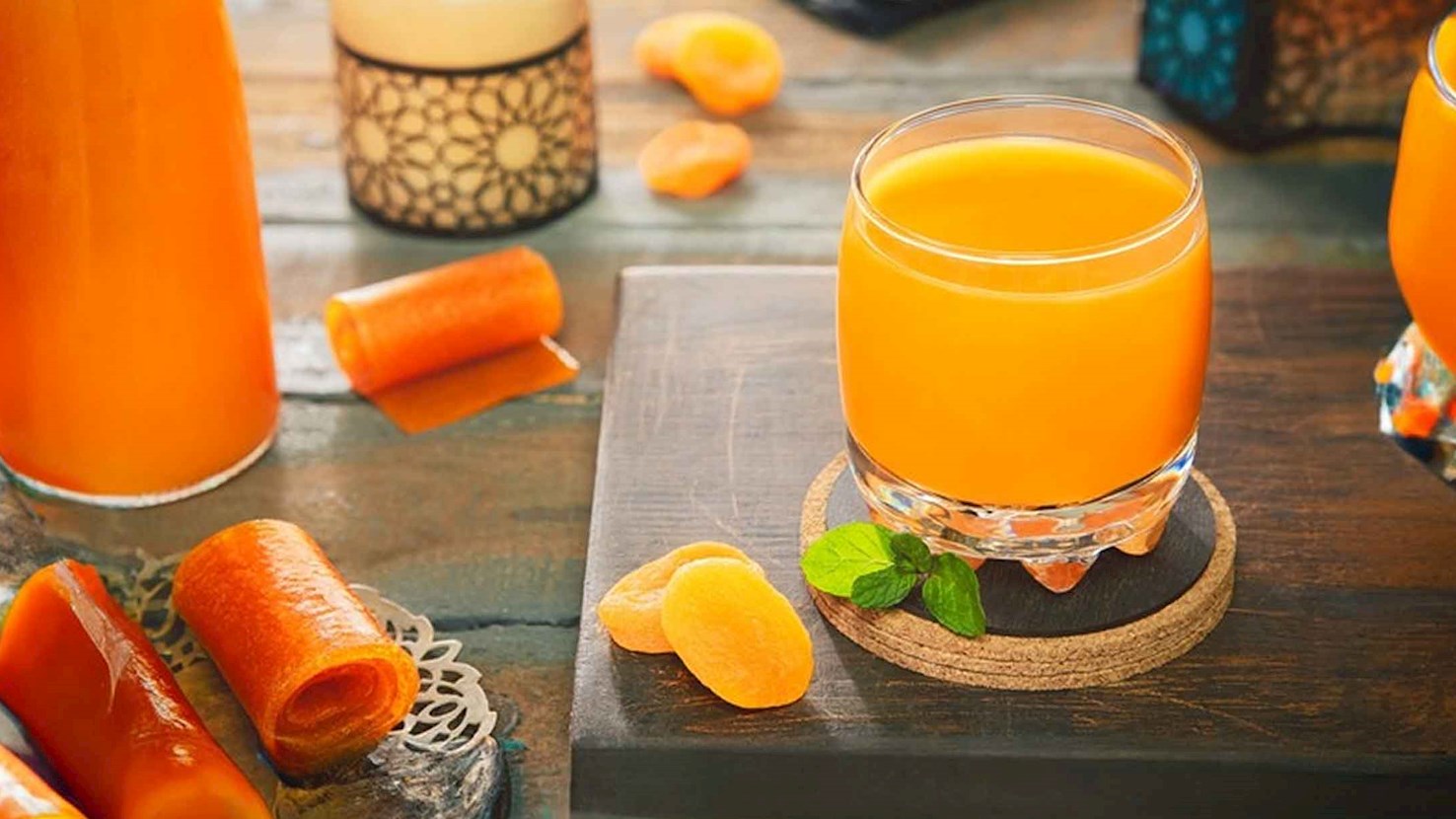
Qamar al-din is a popular Syrian beverage made from dried apricot paste. The paste is usually soaked in water overnight and the juice is strained the next morning. The juice is especially popular for breaking the fast during the holy month of Ramadan. It is recommended to add some orange blossom water to qamar al-din and serve it well chilled.

05

Sobia hamra (Red sobia)

n/a ·

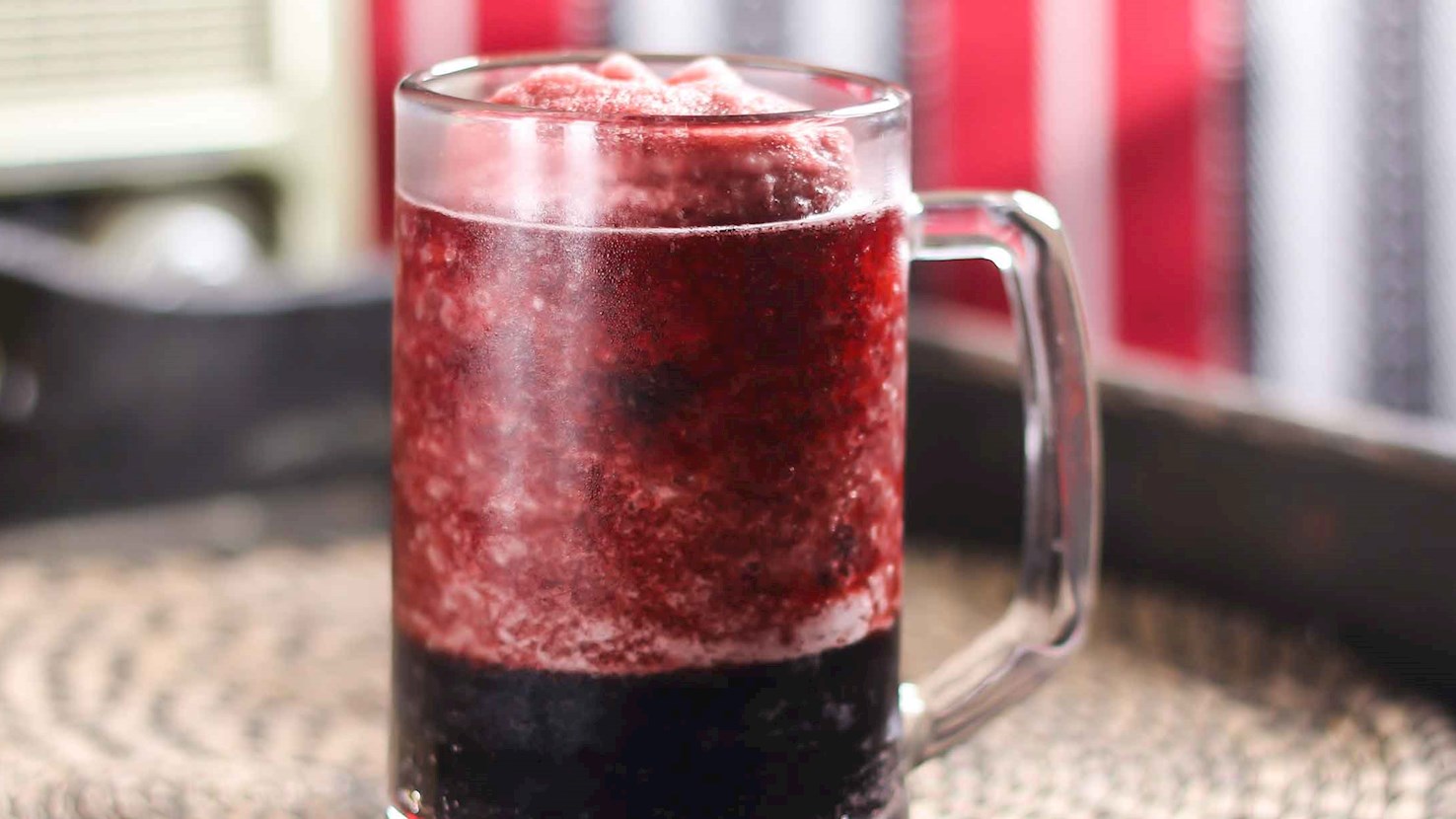
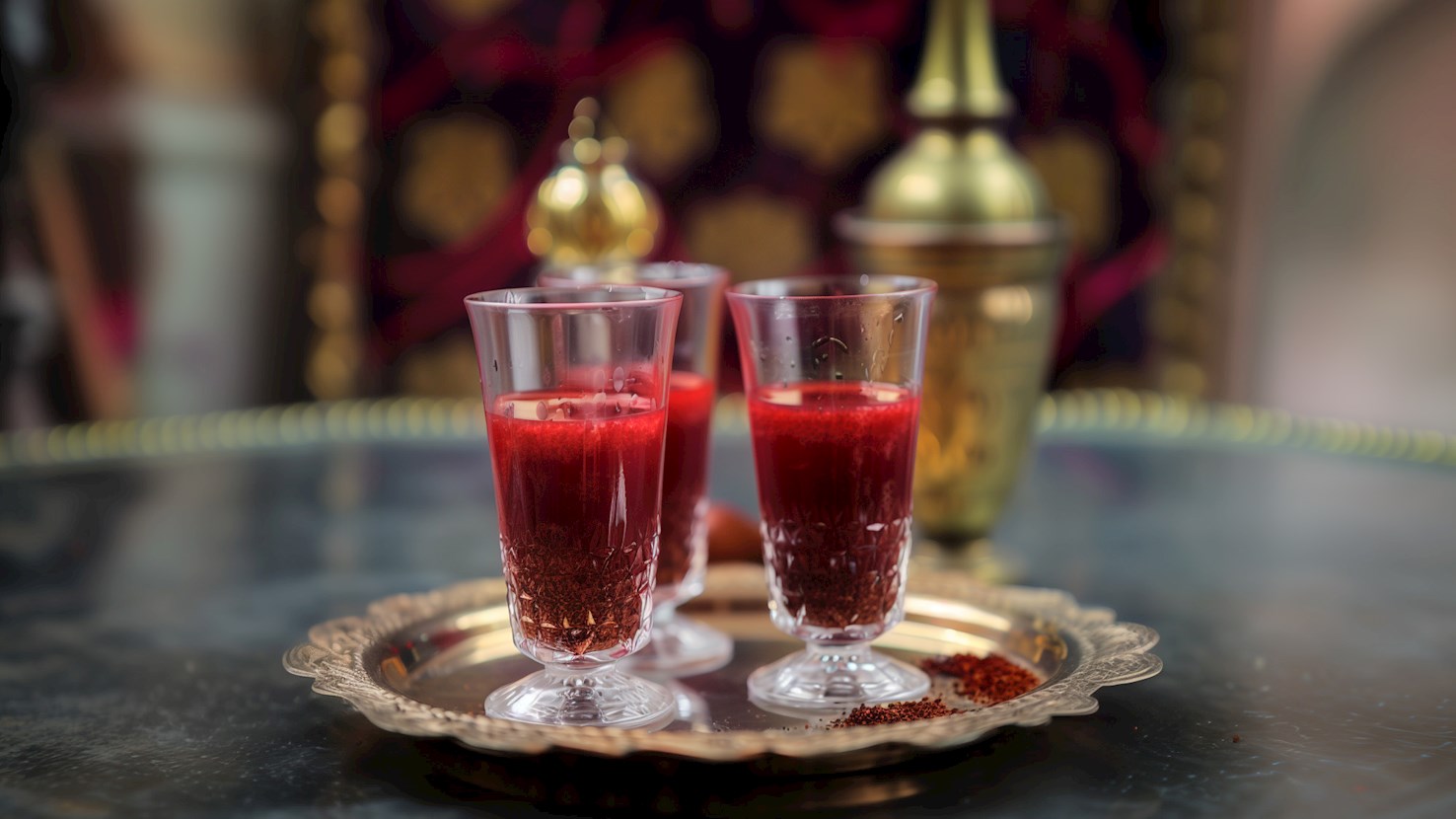
Red sobia is a traditional beverage hailing from the Hejaz region of Saudi Arabia commonly consumed during the holy month of Ramadan. This refreshing drink is a variation of the more widely known white sobia but is distinguished by its deep red hue, which comes from the use of hibiscus or raspberry. The base of the drink is made from soaked and blended bread or barley, to which sugar, water, and various flavorings such as cinnamon or cardamom are added. The mixture is then allowed to ferment slightly, giving the drink its unique taste, which is both sweet and tangy with a hint of spice. Red sobia is often served chilled and is a popular choice for breaking the fast due to its cooling and hydrating properties. It is typically sold by street vendors in large jars or bottles.

06

Shai (Saudi tea)

n/a ·

Saudi tea is a black tea–based beverage prepared and consumed in Saudi Arabia, served hot and brewed to a strong concentration, most often flavored with spices rather than milk and consumed as a daily drink rather than as a ceremonial specialty. Its presence in the country developed through long-standing trade routes linking the Arabian Peninsula with South Asia, East Africa, and the wider Islamic world, through which black tea became widely available and gradually integrated into local hospitality practices alongside coffee. Preparation commonly involves boiling loose black tea leaves in water until fully extracted, then adding cardamom pods and sugar during brewing, with regional variations that may include cloves, saffron, or mint, and the tea is strained before serving to produce a clear, dark infusion with a pronounced aroma. The balance is determined during preparation rather than at the table, and the tea is brewed fresh repeatedly rather than kept warm for extended periods. Saudi tea is served hot in small glasses and offered frequently throughout the day, particularly when receiving guests, during family gatherings, and in workplaces, where it functions as a social constant rather than a formal course. It is typically consumed on its own but is often accompanied by dates, simple biscuits, or light sweets, and it pairs naturally with savory snacks or pastries, while water is commonly served alongside to moderate the strength and sweetness.

Read more
View all
View map
About this ranking

TasteAtlas food rankings are based on the ratings of the TasteAtlas audience, with a series of mechanisms that recognize real users and that ignore bot, nationalist or local patriotic ratings, and give additional value to the ratings of users that the system recognizes as knowledgeable. For the “Top 6 Saudi Non-alcoholic Beverages” list until June 10, 2026, 890 ratings were recorded, of which 71 were recognized by the system as legitimate. TasteAtlas Rankings should not be seen as the final global conclusion about food. Their purpose is to promote excellent local foods, instill pride in traditional dishes, and arouse curiosity about dishes you haven’t tried.

The initial list of top producers was compiled based on available reviews, awards, local recommendations, media and blog coverage, and consumer reviews. The list will be updated with ratings from TasteAtlas local ambassadors and TasteAtlas users.

Similar lists