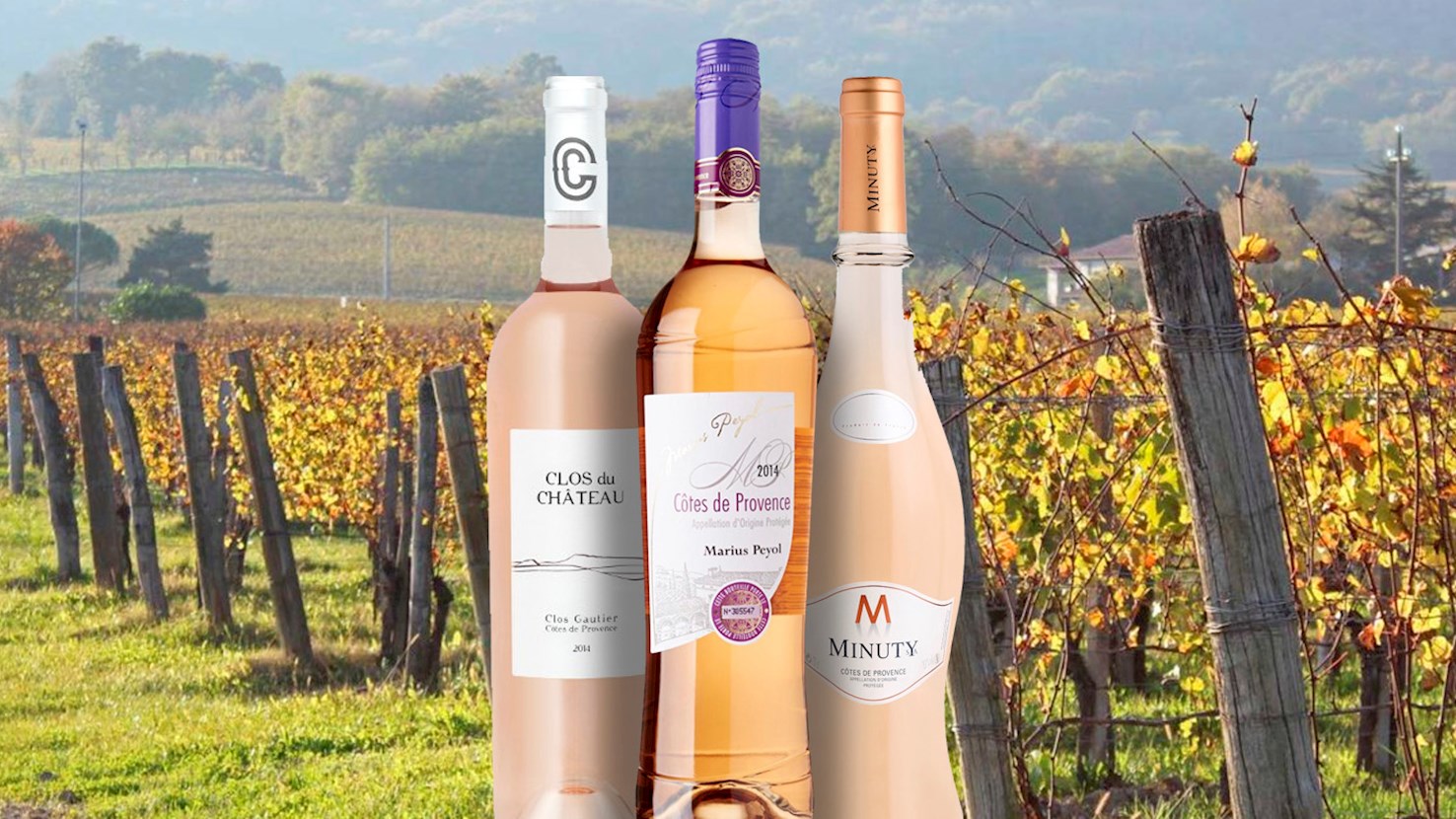
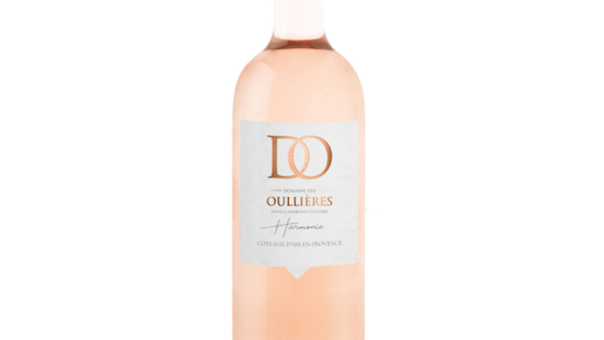
Although the appellation Côtes de Provence also produces red and white wines, most of its production is focused on light and fresh rosés that are mainly based on Grenache, Syrah, Mourvèdre, Cinsaut, and the native Provencal Tibouren variety. Rosés from Provence are typically pale pink, and they tend to display a complex aromatic profile that combines fruity and floral aromas of exotic fruit, citrus, white flowers, and herbs. Some vintages that are barrel aged may also develop notes of dried fruit, caramel, spices, and vanilla. They make a great aperitif, but they also work well with veal, lamb, fish, scallops, or crustaceans and typical Provencal dishes such as ratatouille, aïoli, soupe au pistou, bouillabaisse, as well as with fruit-based desserts.
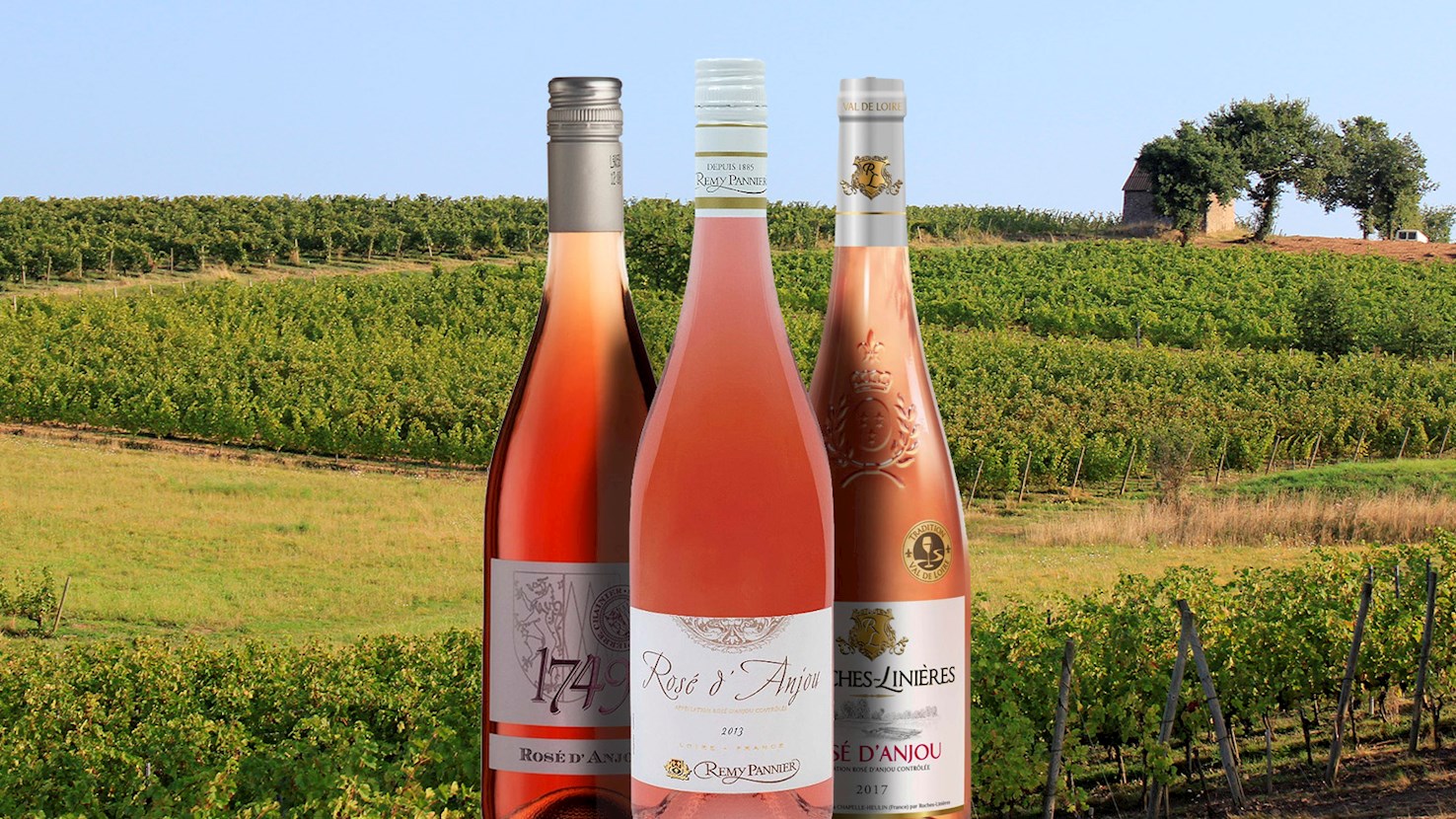
Rosé d'Anjou is a French appellation located in the Anjou district of the Loire Valley, more precisely in the departments Maine-et-Loire, Deux-Sèvres, and Vienne. The wines are predominantly made with native Grolleau grapes, while other permitted varieties include Cabernet Franc, Cabernet Sauvignon, Gamay, Malbec, and Pineau d'Aunis. These clear and bright wines are subtly sweet, without being cloying, and are often praised for their perfect balance of alcohol, acidity, and sugars. They can be pale to intensely pink, while the typical aromas include tangy red fruits, but notes of bananas, candy, and rose petals are also quite common. This rosé style is usually labeled as Primeur or a fruiter and fresher Nouveau. Both are approachable and easy-drinking, and though they make an excellent aperitif, they can also match creamy poultry or fish dishes and fruit-based desserts.
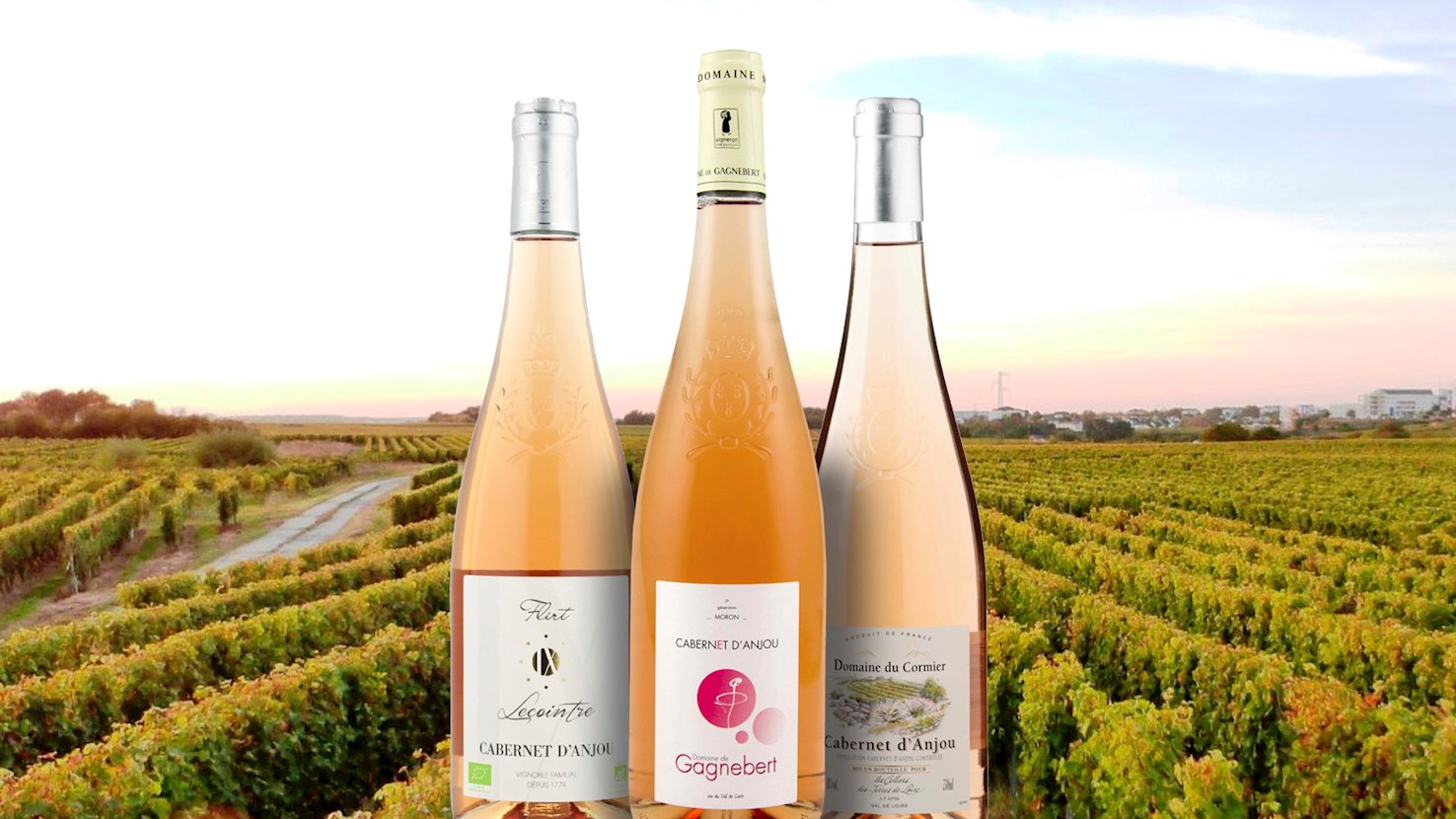
Cabernet d'Anjou is a French appellation located in Anjou, mainly in Maine-et-Loire, which it is exclusively reserved for rosé wines made from Cabernet Sauvignon and Cabernet Franc. These bright and clear wines are typically deep pink with salmon hues. They are vibrant, dense, velvety, and smooth, while typical aromas include red fruit and roses. Cabernet d'Anjou wines are praised for their well-balanced acidity and tannic structure, and though they are usually enjoyed young, some examples can age well. These wines are a perfect accompaniment to appetizers, fusion cuisine, and fruit-based desserts.
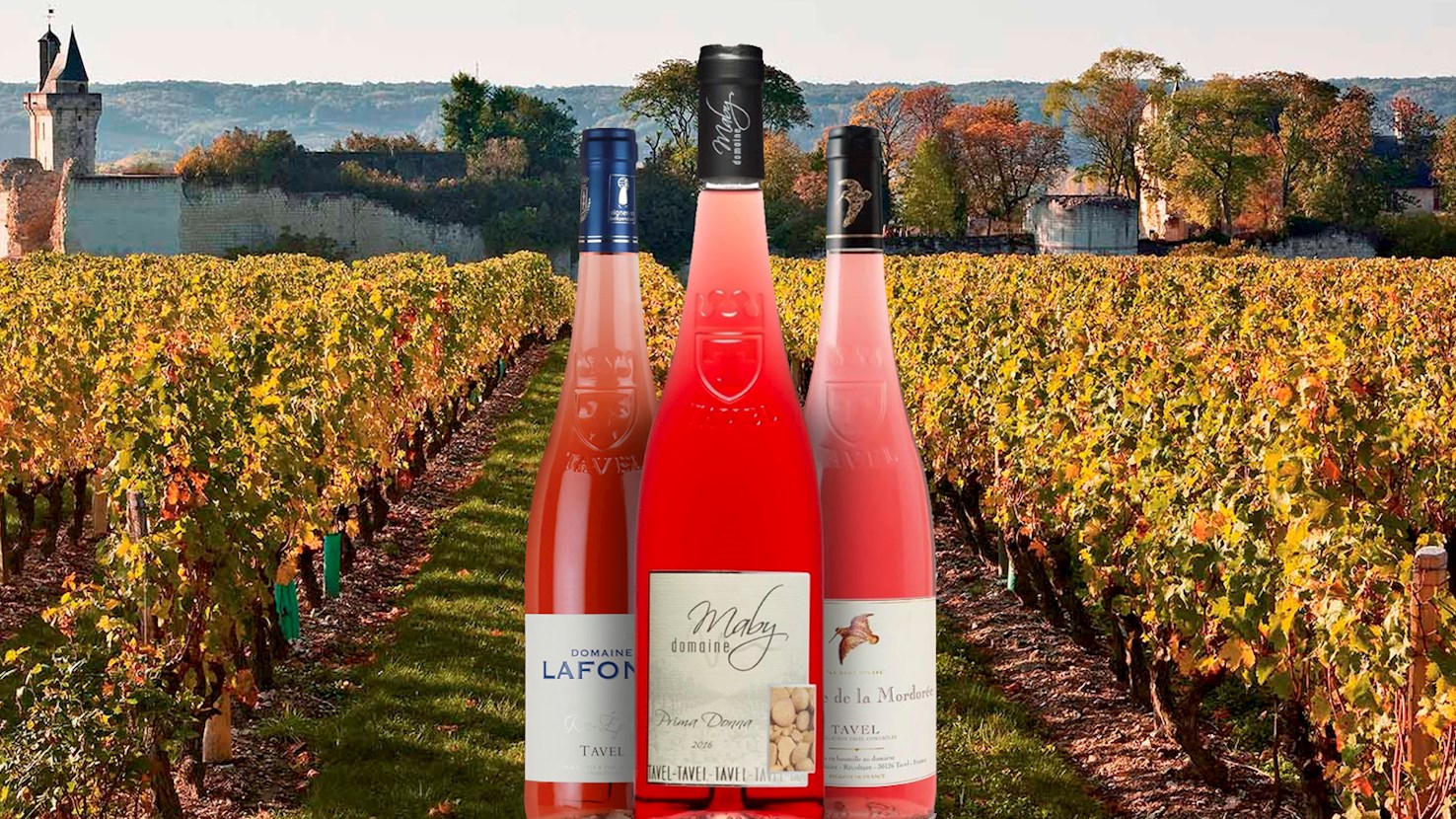
Tavel is a French appellation located in the southern Rhône that produces dry rosé wines. These full-bodied and aromatic rosés are made with Grenache Noir as the principal grape, but frequent additions also include Cinsault, Bourboulenc, Clairette, Mourvèdre, Picpoul, and Syrah. Young Tavel wines are usually pink, but with age, they tend to become deep pink with gold or amber hues. They are fruity and floral, with notes and aromas that are reminiscent of red berries, stone fruits, and sometimes subtle almond nuances. As they age, they will usually display more complex notes of ripe fruit, toasted almonds, and spices. Tavel wines are incredibly versatile and food-friendly, and they pair well with various savory dishes, especially those that include seafood, chicken, pork, or duck. These wines can be aged for a maximum of three years.
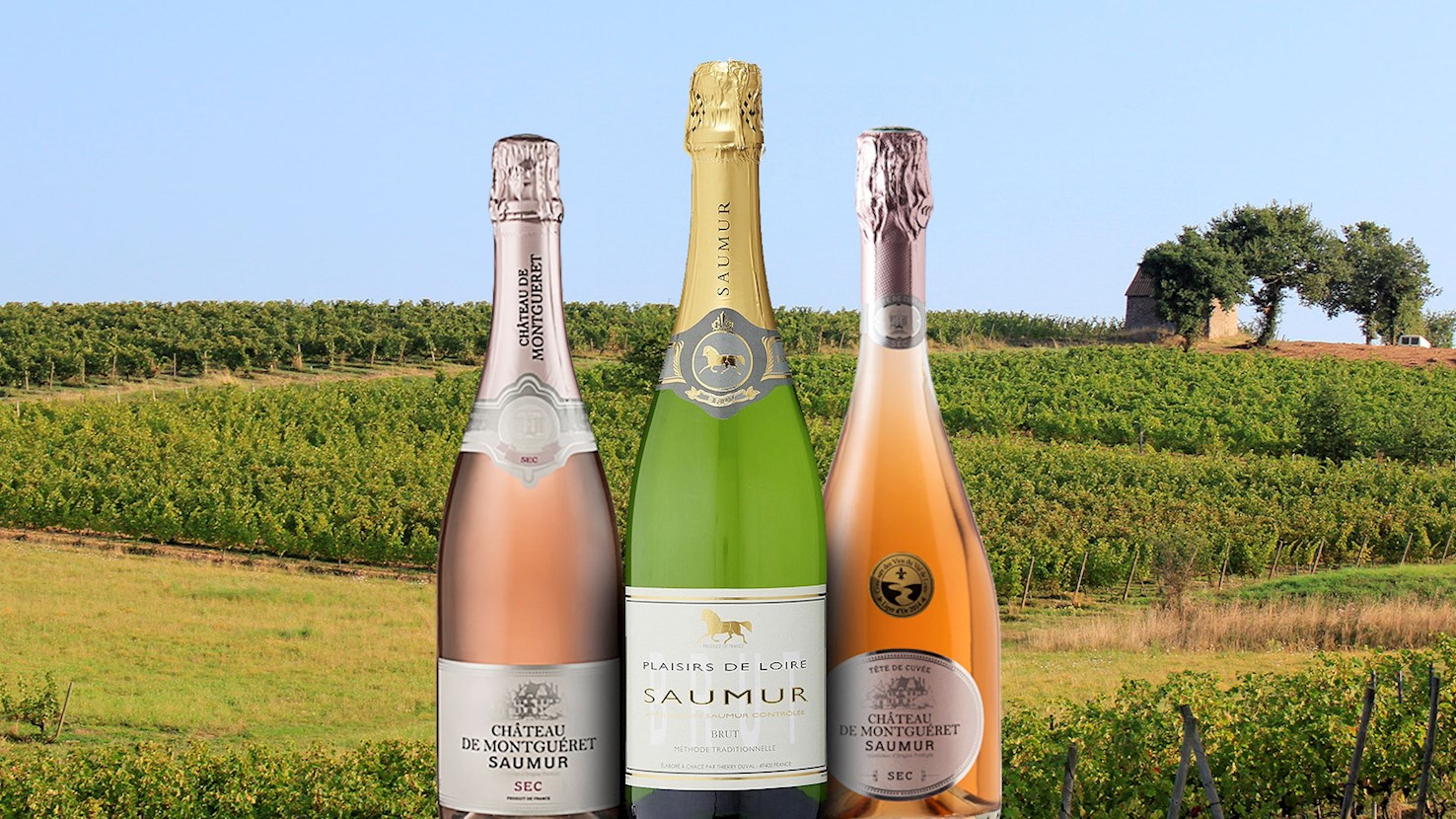
This French appellation is exclusively reserved for white and rosé sparkling wines that are predominantly based on Chenin Blanc, while the blends may also include, Chardonnay, Sauvignon Blanc, as well as Pinot Noir, Cabernet Franc, and many other. All sparkling wines under the appellation are produced using the traditional method—méthode traditionnelle—in which the wines go through the second fermentation in the bottle. Both white and rosé sparkling Saumur will have delicate and persistent bubbles, and while white version will display aromas of white and yellow flowers and white-fleshed fruit such as apples and pears, rosés will be dominated by red fruit notes. These fresh, light, and delicate wines are best served well-chilled. They can be enjoyed as an aperitif, but they can also match light appetizers and desserts. Officially, sparkling Saumur wines are produced in the Loire, more specifically the production is restricted to the departments of Maine-et-Loire, Deux-Sèvres, and Vienne.
Gaillac is a diverse wine designation in Southwest France that encompasses red, white, rosé, and sparkling wines. The appellation is defined by its reliance on indigenous grape varieties, producing wines that balance moderate alcohol with distinct varietal expression. The flavor profiles vary significantly, ranging from crisp, floral whites to robust, tannic reds, all united by a fresh character and balanced acidity. Viticulture in the region is ancient, with roots stretching back to the Roman era. The wine trade expanded significantly during the Middle Ages, driven by the needs of religious institutions and access to river-based trade routes. This established a deep tradition of winemaking that has maintained a continuous lineage of production through centuries of economic shifts and recovery. Winemaking relies on managing yields and utilizing both manual and mechanical harvesting, depending on the estate. Production techniques are tailored to the style: white wines are fermented at cool temperatures to retain aromatic freshness, while reds are typically vinified in stainless steel or concrete vats, with some receiving oak aging. Sparkling wines are notably produced using the ancestral method, where a single fermentation is completed inside the bottle to create natural bubbles. The character of the wine varies based on the winemaker's approach and the specific blend of grapes. Red wines primarily utilize Duras, Braucol (Fer Servadou), and Syrah, while white wines feature Mauzac, Loin de l’Œil, Sauvignon Blanc, and Muscadelle. Styles range from light, thirst-quenching bottles to complex, age-worthy examples. The sparkling Méthode Ancestrale is particularly distinct for its lower alcohol and gentle effervescence compared to standard sparkling wines. Gaillac wines are designed as versatile food partners rather than standalone tasting samples. They are enjoyed locally and internationally as staples for both daily meals and special occasions. Common pairings include grilled meats, poultry, and charcuterie for reds, while whites and sparkling versions accompany freshwater fish, mild cheeses, and regional specialties.
Marsannay is a French wine appellation located in eastern France, at the northern edge of the Burgundy region within the Côte de Nuits, covering vineyards in the communes of Marsannay-la-Côte, Couchey, and Chenôve just south of Dijon. Its development is linked to the long-standing cultivation of vines on these limestone and marl slopes, where proximity to Dijon encouraged early viticultural activity and steady local consumption, and where formal recognition as a village-level appellation came later than many neighboring areas despite the site’s continuous use for wine production. Wines from this appellation are produced mainly from Pinot Noir for reds and rosés and from Chardonnay for whites, with small historical allowances for Gamay, and vineyard work follows Burgundian practices of low yields, careful canopy management, and harvesting at full ripeness. Vinification for reds typically involves destemming or partial whole-cluster fermentation followed by aging in neutral or lightly toasted oak barrels, whites are pressed gently and fermented to preserve acidity and clarity, and rosé wines are made either by short maceration or direct pressing, a feature that distinguishes this appellation within the Côte de Nuits. Wines are served at moderate cellar temperature, with reds often benefiting from brief aeration, whites served cool but not cold, and rosés consumed fresh. They are most often enjoyed at the table, pairing well with roasted poultry, grilled meats, charcuterie, mushroom-based dishes, soft to semi-hard cheeses, and lighter fare such as salads or fish in the case of the white and rosé wines, making them adaptable to everyday meals as well as more structured dining.
Bellet is a French appellation for red, white, and rosé wines produced on the hillside slopes northwest of Nice in the Alpes-Maritimes, covering one of the smallest regulated wine areas in the country. The vineyards sit between the Mediterranean Sea and the lower Alpine foothills, giving the appellation a microclimate shaped by maritime winds, strong sunlight, and marked day-night temperature shifts. The soils are composed mainly of sandy-limestone and rolled pebbles deposited by ancient riverbeds, conditions that limit vine vigor and encourage concentrated fruit. Bellet uses grape varieties strongly associated with the region, including Rolle for white wines and Braquet and Folle Noire for reds and rosés, along with minor permitted varieties that appear in some blends. The appellation took shape as winegrowing communities around Nice formalized the identity of their hillside vineyards, focusing on varieties that had adapted to the terrain rather than adopting grapes from neighboring regions. Producers continued cultivating Braquet and Folle Noire even as these varieties disappeared from most other parts of France, and Rolle became the basis for white wines that expressed the area’s maritime and calcareous influences. This continuity gave Bellet a distinct profile relative to Provence and Ligurian wines nearby, helping maintain an identity rooted in the specific geography of the Niçois hillsides. Winemaking under Bellet guidelines involves selective harvesting on steep terraces, careful management of temperature during fermentation, and the use of stainless steel or oak depending on the intended style. Whites made from Rolle emphasize freshness, citrus notes, and moderate texture, while rosés and reds from Braquet and Folle Noire show aromatic lift, red-berry notes, and moderate tannins; many producers use short aging periods to preserve the clarity of the fruit. One notable characteristic of the wines is the role of Braquet, a grape rarely cultivated outside the immediate area, giving many rosés and reds an identity closely tied to the appellation. Bellet wines are consumed in Nice and surrounding coastal towns and are available in specialized wine shops and restaurants that focus on regional products. They accompany dishes common to the Mediterranean zone, including grilled fish, seafood stews, Niçois salads, vegetable tarts, olives, fresh goat cheeses, roasted poultry, and dishes featuring herbs such as thyme and rosemary. The whites pair well with lightly seasoned seafood and soft cheeses, the rosés match vegetable dishes and salads, and the reds complement roasted meats, stews, and cured meats without overwhelming them.
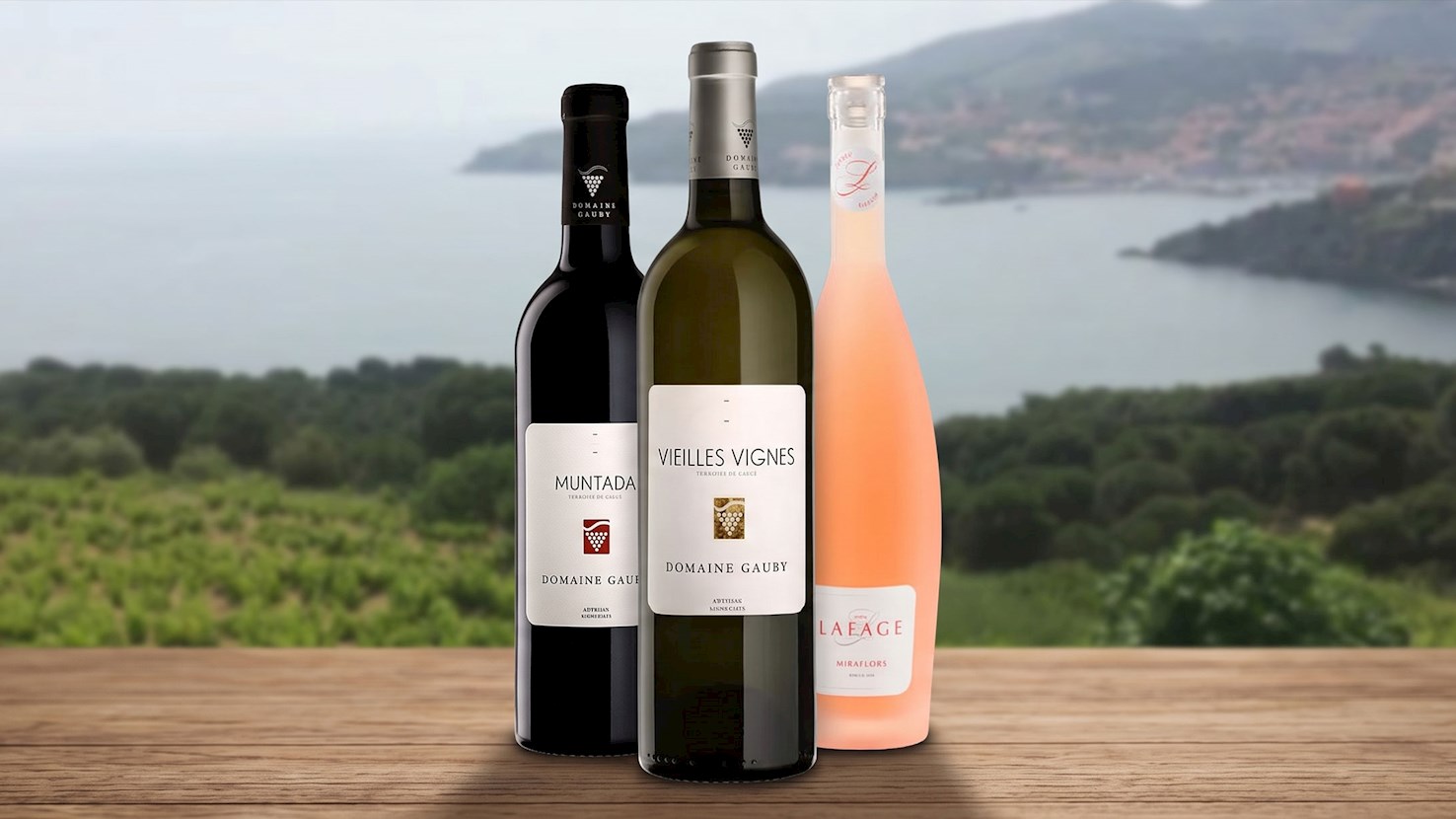
Côtes Catalanes is an IGP wine designation from the Pyrénées-Orientales department in France, covering the eastern portion of French Catalonia near the border with Spain. It encompasses red, white, and rosé wines produced across coastal plains, inland valleys, and the lower foothills of the Pyrenees. The zone includes a wide set of permitted grape varieties such as Grenache, Syrah, Mourvèdre, Carignan, Merlot, Cabernet Sauvignon, Chardonnay, Macabeu, Grenache Blanc, Vermentino, and Muscat. The IGP was introduced in 2009 when France reorganized its wine classification system, replacing the former Vin de Pays des Côtes Catalanes designation that had been in use since the late twentieth century. It was created to provide a recognized geographic identity for wines produced outside the stricter AOC rules of the region, while still tying them to a specific area known for viticulture. The emergence of Côtes Catalanes reflects the winegrowing trajectory of the Pyrénées-Orientales, where records show continuous vine cultivation dating back to Roman settlement, expanding during medieval trade through the port of Collioure and later through fortified wine production under the Kingdom of Majorca and subsequent French administration. When the modern Vin de Pays category was established, producers in this part of Roussillon sought a designation that allowed for flexibility in grape choice and winemaking style while acknowledging the region’s geographic coherence. The adoption of the IGP framework in 2009 preserved this flexibility but placed it within the European protected-origin system. Wine production under Côtes Catalanes benefits from dry, windy conditions shaped by the Tramontane, a strong northern wind that reduces humidity and helps maintain healthy vineyard conditions. Soils include schist in the foothills, limestone and clay on inland terraces, and alluvial deposits along the Agly and Têt river basins. These differences permit a range of wine styles: reds may be structured and concentrated when sourced from older vines on poorer soils, or fruit-forward and approachable when produced from vineyards closer to the coast. Whites range from crisp and aromatic to fuller expressions using varieties such as Grenache Blanc or Macabeu. Rosés are typically fermented cool and bottled young to preserve freshness. The IGP’s broad rules allow producers to use stainless steel, concrete, or oak as they choose, and to work with single varietal wines or blends that would not fit into nearby AOCs such as Collioure, Rivesaltes, or Côtes du Roussillon. Côtes Catalanes wines are consumed locally in the Pyrénées-Orientales, throughout France, and abroad. Reds are served at moderate room temperature and pair with grilled meats, cured pork, lamb, and stews seasoned with Mediterranean herbs. Whites are served chilled and accompany seafood, shellfish, vegetable dishes, and mild cheeses. Rosés pair with lighter fare, charcuterie, and coastal dishes common to the region. In local restaurants and homes, these wines appear alongside Catalan-influenced preparations such as grilled sardines, pa amb tomàquet, anchoïade, and dishes featuring olives, peppers, and fresh herbs, reflecting the blend of Mediterranean and Pyrenean ingredients characteristic of the area.
Languedoc is an AOC wine region in southern France that stretches from the outskirts of Nîmes to the area around Narbonne, with vineyards extending inland toward the Montagne Noire and the foothills of the Cévennes. It includes red, white, and rosé wines and functions as the principal appellation covering a wide, diverse set of terroirs across the former Languedoc-Roussillon area. The designation was formalized in 2007 as AOC Languedoc, replacing and consolidating earlier structures such as Coteaux du Languedoc while allowing for many local zones to operate as named sub-appellations within its framework. The region’s vineyards grow on varied soils including limestone, schist, sandstone, clay, and alluvial terraces, and are influenced by Mediterranean winds, coastal exposure, and warmer inland conditions. The emergence of AOC Languedoc reflects decades of regulatory refinement aimed at organizing a region long associated with high-volume production yet possessing pockets of quality viticulture documented since antiquity. Roman agricultural accounts describe winegrowing along the Mediterranean coast, and medieval archives show monastic involvement in vineyard maintenance and land management. By the twentieth century, replanting after phylloxera and shifts in agricultural policy encouraged producers to reduce yields and adopt varieties better suited to the region’s climate and soils. This development laid the groundwork for restructuring the appellation system, ultimately leading to the creation of AOC Languedoc as a unifying entity while still recognizing distinct sub-regions such as Minervois, Corbières, La Clape, Picpoul de Pinet, and Pic Saint-Loup. Production under AOC Languedoc follows regulations specifying permitted grape varieties and blending requirements. Red wines rely on Grenache, Syrah, Mourvèdre, Carignan, and Cinsault as core components, with proportions varying by area. Whites use varieties such as Vermentino (Rolle), Marsanne, Roussanne, Grenache Blanc, Clairette, and Bourboulenc. Rosés generally combine Grenache, Cinsault, Syrah, and Mourvèdre. Winemaking methods vary across the region: reds may be fermented in stainless steel, concrete, or oak depending on style, with some producers favoring longer macerations to build structure. Whites and rosés are often fermented at controlled temperatures to retain aromatics and freshness. The wide geographic range of the appellation means wines express different levels of ripeness, acidity, and aromatic intensity depending on whether grapes come from coastal plains, river valleys, or elevated foothills. A characteristic feature of AOC Languedoc is its tiered structure, which allows producers to label wines under the broader appellation or under more specific geographic names attached to recognized subzones. This system integrates regional coherence with local expression. Languedoc wines are consumed throughout France and internationally, appearing in restaurants, bistros, wine bars, and home settings. Reds are served at moderate room temperature and pair with grilled meats, lamb, hearty stews, and dishes seasoned with regional herbs such as rosemary and thyme. Rosés, served chilled, are matched with seafood, salads, charcuterie, and lighter Mediterranean fare. Whites complement shellfish, fish dishes, vegetable preparations, and cheeses with mild to moderate intensity. Within the region itself, these wines accompany local cuisine shaped by olive oil, tomatoes, peppers, olives, and seafood from the nearby coast, reflecting the breadth of the Languedoc landscape and its culinary traditions.
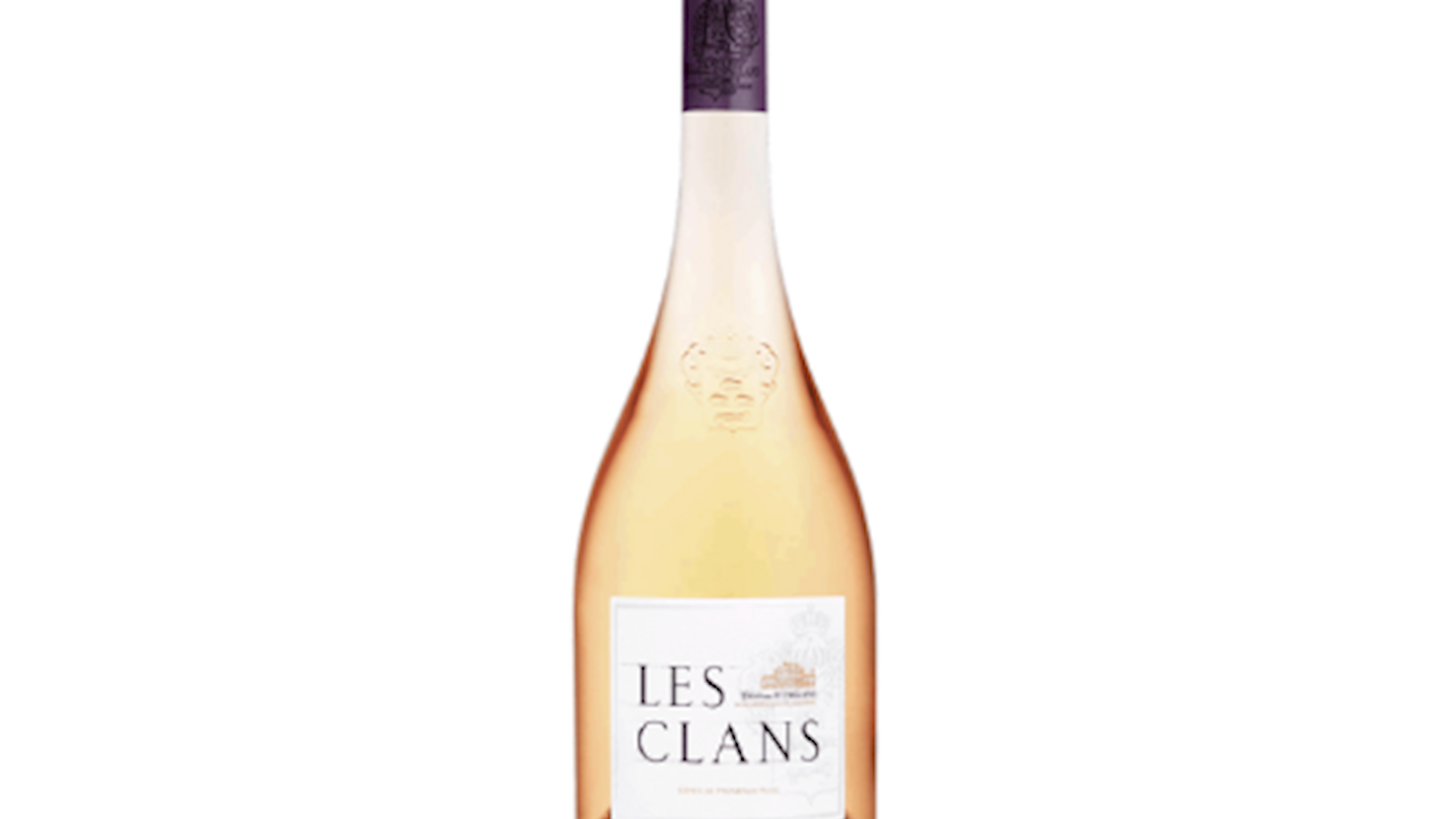
Château d’Esclans is a Provençal estate located in the Esclans Valley, surrounded by hillside parcels that combine mineral-rich soils, intense sunlight, and cool nights, allowing for slower, more balanced ripening of the grapes. The estate gained its modern identity in 2006 when it was taken over by Sacha Lichine, whose ambition was to redefine the perception of rosé wine and elevate it to the level of serious, complex styles.
The vineyards are planted primarily with Grenache, a variety that in this region produces remarkably pale juice with strong potential for elegance and aromatic precision. Harvesting is done by hand in the early morning hours to preserve freshness, after which the grapes are sorted using optical sensors for maximum selection accuracy.
Fermentation takes place in a combination of stainless steel tanks and large oak demi-muid barrels, building a wine profile that blends pure fruit expression with subtle textural nuances. Their approach fuses regional tradition with modern techniques, resulting in wines that stand out for their clearly defined identity and depth.
The outcome is a portfolio that demonstrates how rosé can be far more than a seasonal refreshment - it can be refined, structured, and capable of graceful aging.
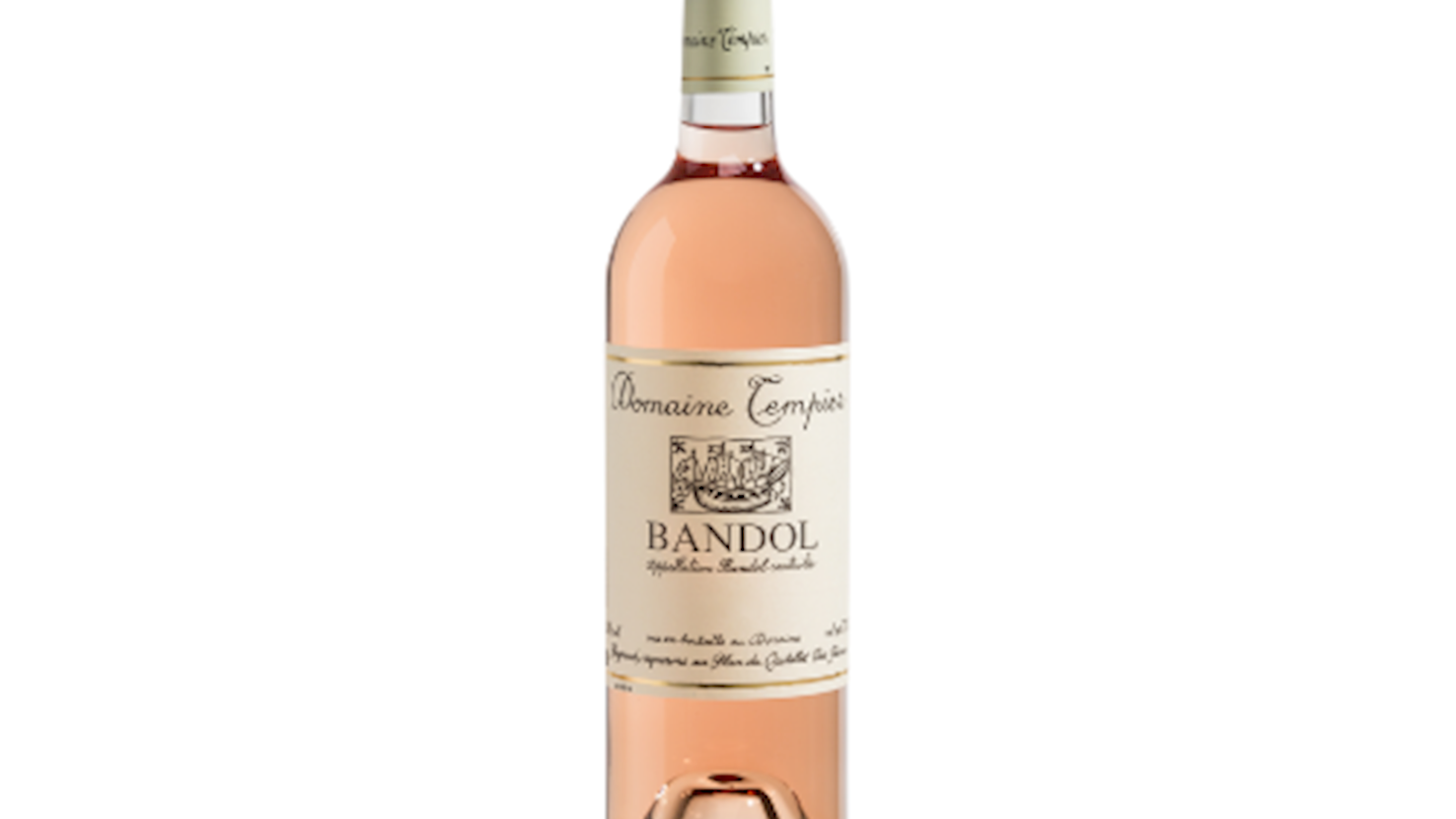
Domaine Tempier is one of the most influential and respected estates in Provence, located in the Bandol appellation, renowned for its exceptional terroir perfectly suited to Mourvèdre. The family property dates back to 1834, but its true transformation began when Lucie (Lulu) Tempier and Lucien Peyraud took over, with Peyraud later becoming a key figure in establishing the official AOC Bandol.
The estate’s vineyards stretch across varied exposures and soil types, including limestone terraces and hillside parcels such as La Tourtine, Cabassaou, and La Migoua, each contributing a distinct expression to the wines. Production follows organic principles with minimal intervention, emphasizing soil vitality and the authentic character of the grapes.
Mourvèdre, the dominant variety, produces deeply structured wines with firm tannins, remarkable aging potential, and aromas of dark fruit, spices, tobacco, and mineral notes. Their red wines are considered benchmarks of the Bandol style, while Domaine Tempier’s rosé enjoys a reputation as one of the most serious and long-lived rosés in the world.
Fermentation is spontaneous, and aging in large wooden foudres maintains a balance between fruit purity and complexity. The estate’s identity is built on tradition, family philosophy, and a profound respect for terroir.
Production volumes are limited, adding to the exclusivity and demand for their wines. Today, Domaine Tempier stands as a defining reference for Bandol and a leading example of Mourvèdre-driven winemaking in Provence.
TasteAtlas food rankings are based on the ratings of the TasteAtlas audience, with a series of mechanisms that recognize real users and that ignore bot,
nationalist or local patriotic ratings, and give additional value to the ratings of users that the system recognizes as knowledgeable.
TasteAtlas Rankings should not be seen as the final global conclusion about food. Their purpose is to promote excellent local foods,
instill pride in traditional dishes, and arouse curiosity about dishes you haven’t tried.
The initial list of top producers was compiled based on available reviews, awards, local recommendations, media and blog coverage, and consumer reviews.
The list will be updated with ratings from TasteAtlas local ambassadors and TasteAtlas users.








What People Say