
shutterstock

Top 100 American Confectioneries

Last updated on June 10, 2026

Best American Confectionery Types

01

Pecan pralines

3.8 ·

Pecan pralines are traditional Cajun sweets originating from Louisiana. The first pralines were brought to New Orleans from France by the Ursuline nuns in 1727. Due to the fact that almonds were scarce, cooks began using pecans from native Louisiana trees, and the predecessors of modern pecan pralines were born. They were first prepared as individual pecans covered in sugary coating. Nowadays, they are made with a combination of pecans, butter, vanilla, milk, and sugar. The ingredients are simply cooked together until the mixture thickens and the pecans stay suspended in it. Once hardened, pecan pralines are ready to be enjoyed.

02

American Chocolate Truffles

3.7 ·

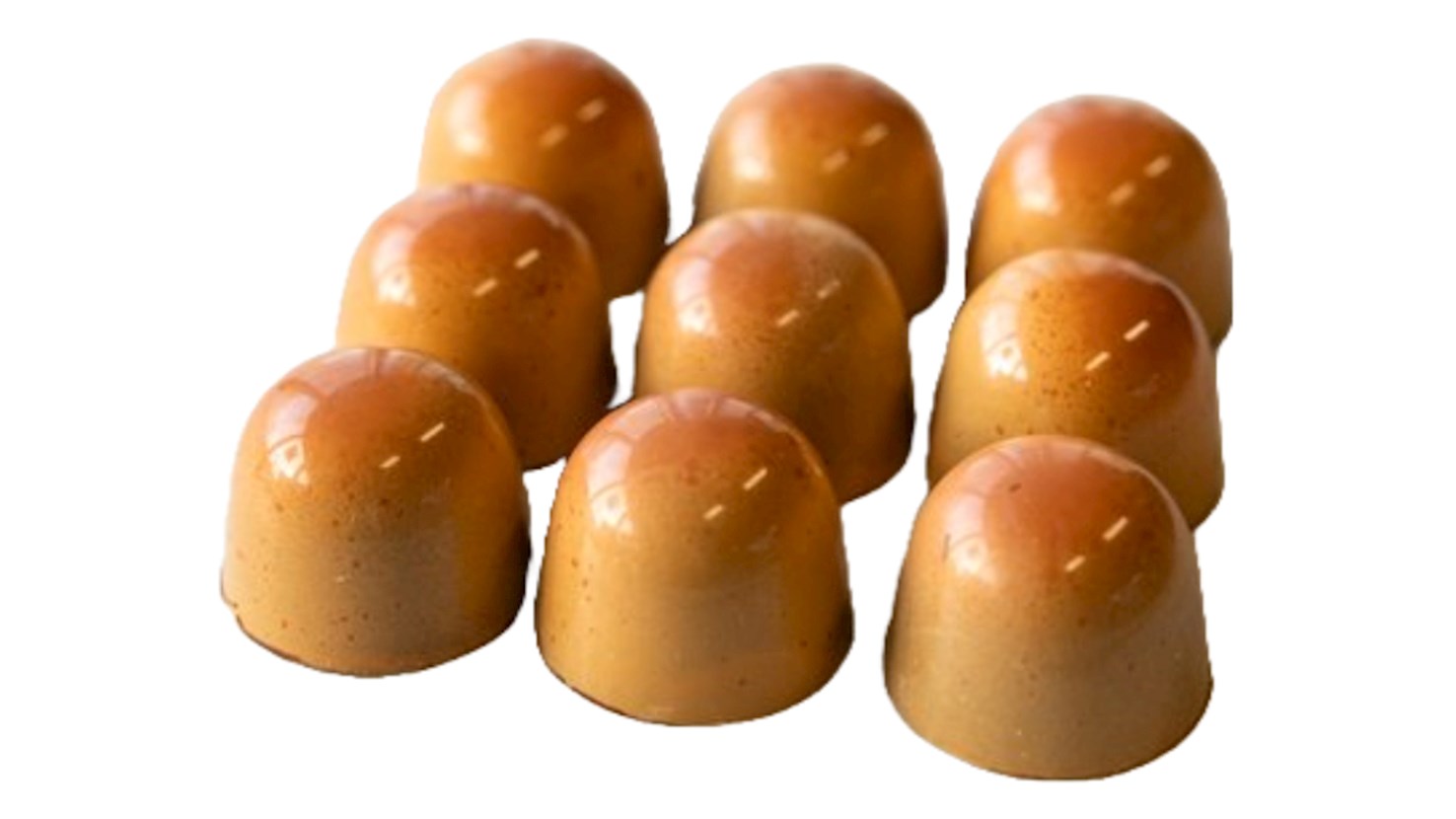
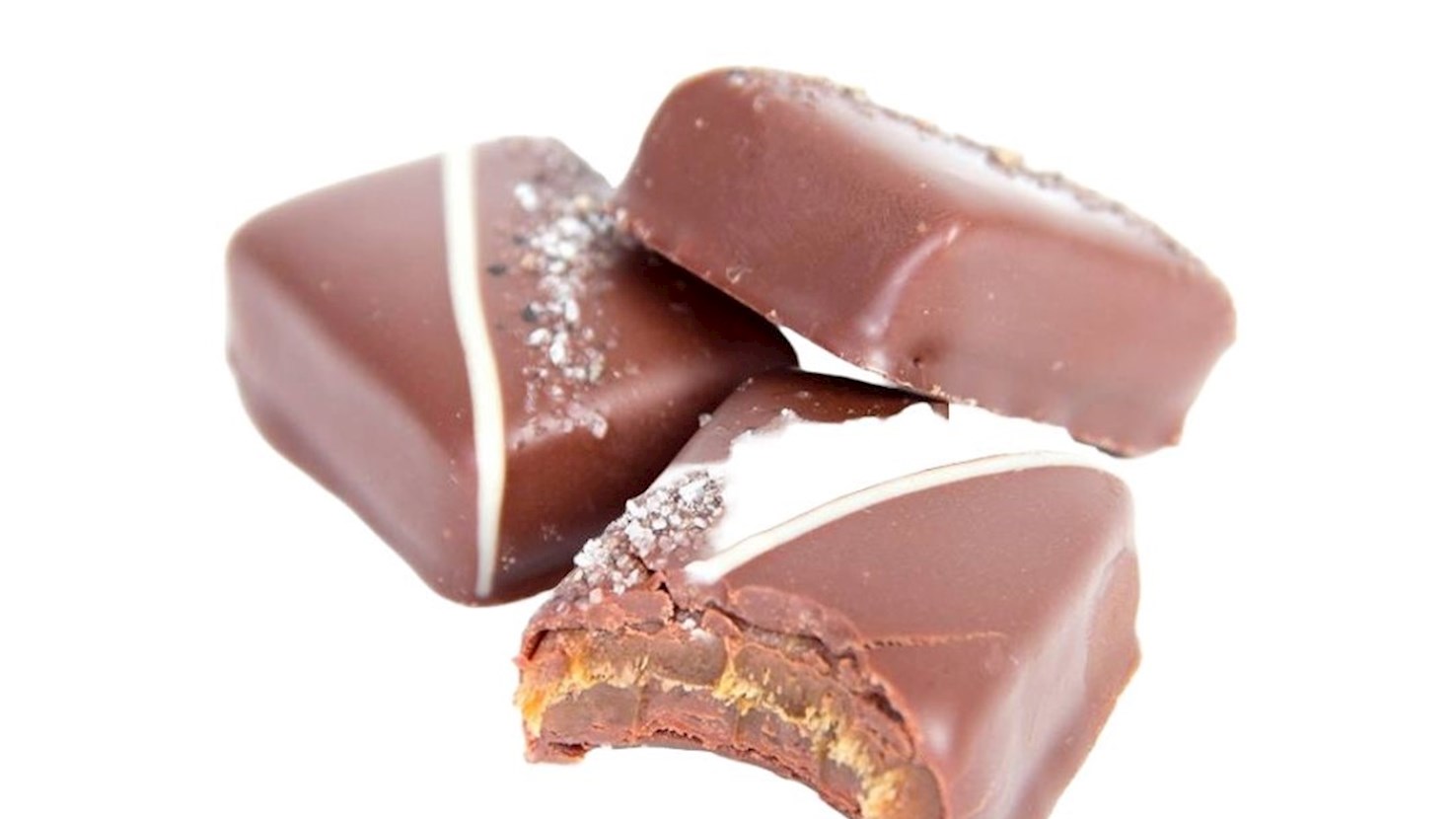
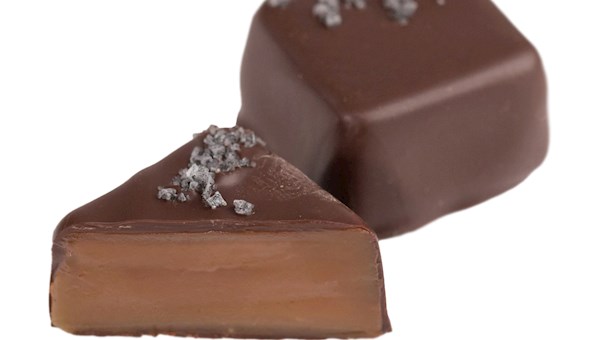
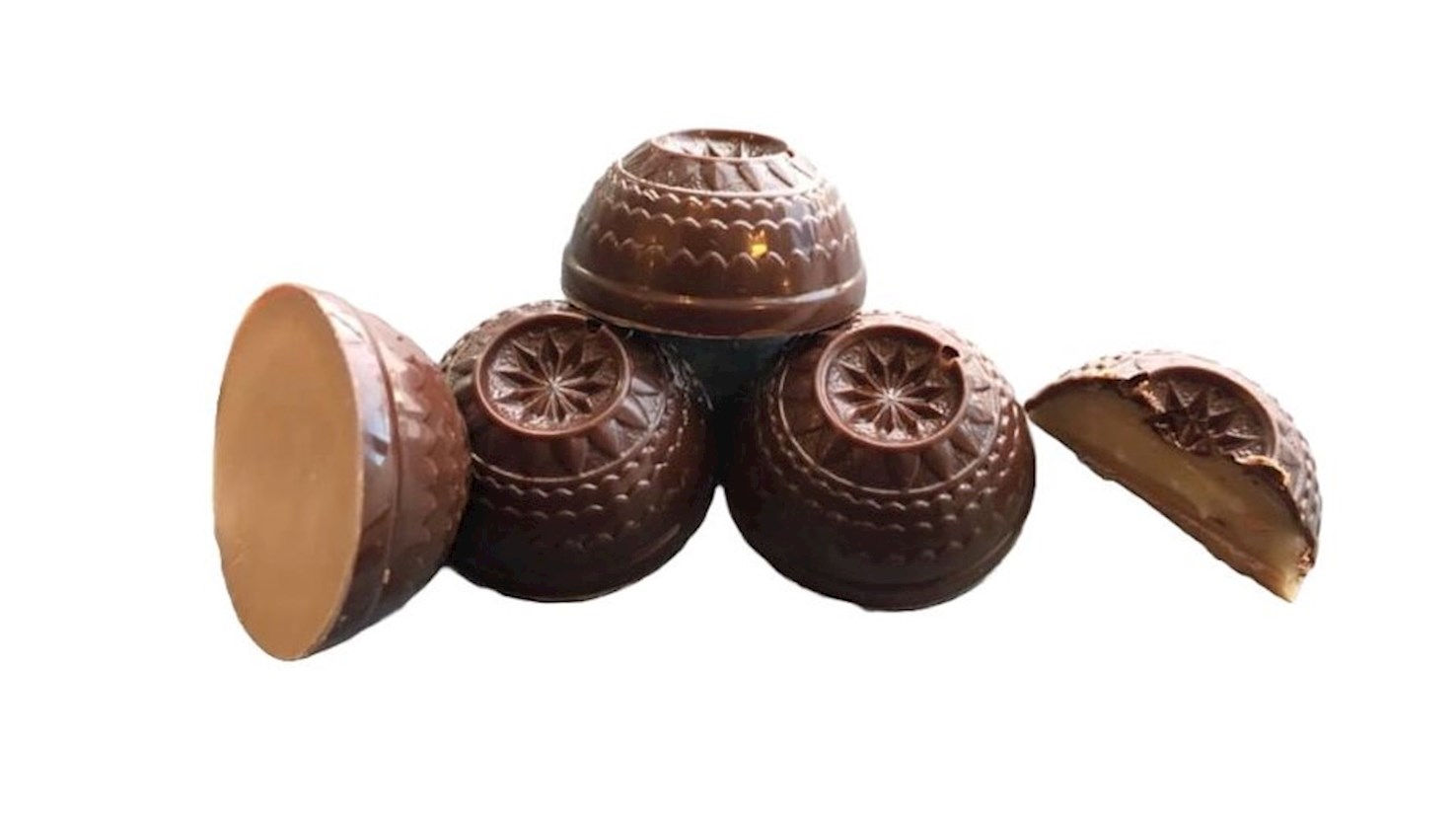
A creation that has been attributed to a San Francisco-based chocolatier called Joseph Schmidt, and believed to date back to the 1980s, the American chocolate truffle is a variation on the classic chocolate truffles originating in France. Molded into its characteristic half-egg shape, the American truffle typically consists of a blend of dark chocolate, milk chocolate, and optionally butterfat or solid coconut oil. Apart from its unique shape and its relatively larger size compared to other truffle varieties, another distinguishing trait of the American-style chocolate truffle is that it is entirely surrounded by smooth, melted chocolate, originally using only authentic Belgian chocolate. Once the chocolate covering hardens, it is thought to significantly prolong the truffle’s shelf life. In America, these chocolate truffles are available in a wide range of flavors, fillings, and finishes. There are even holiday-inspired chocolate truffles in various shapes such as the beautifully adorned and colored large egg-shaped and heart-shaped truffles for Easter and Valentine’s Day, respectively.

03

Peanut brittle

3.3 ·

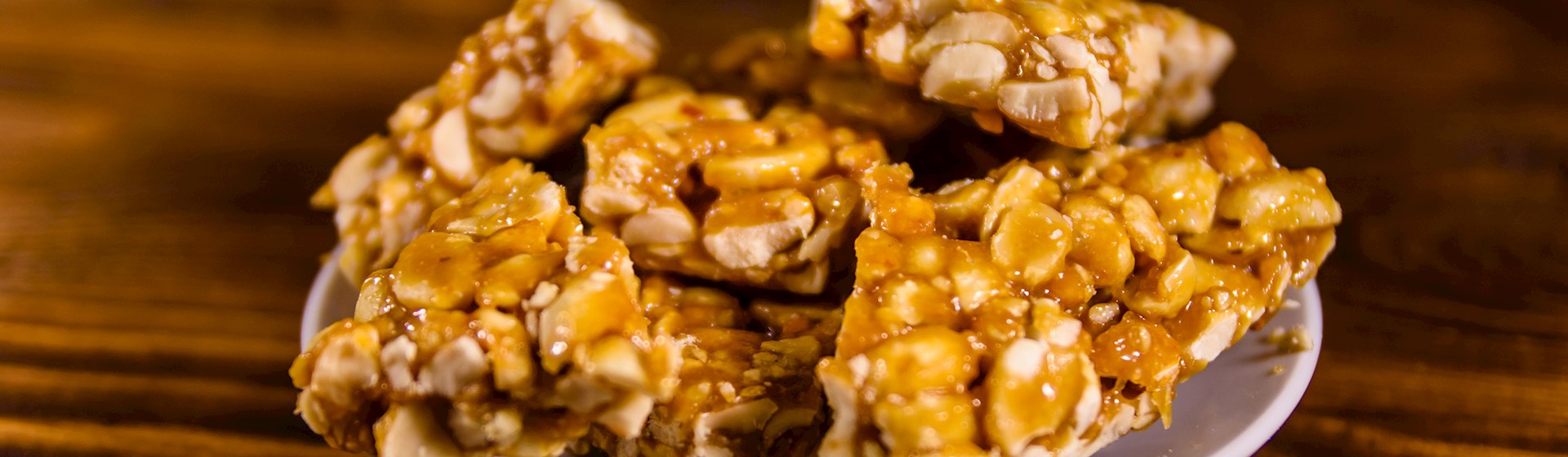
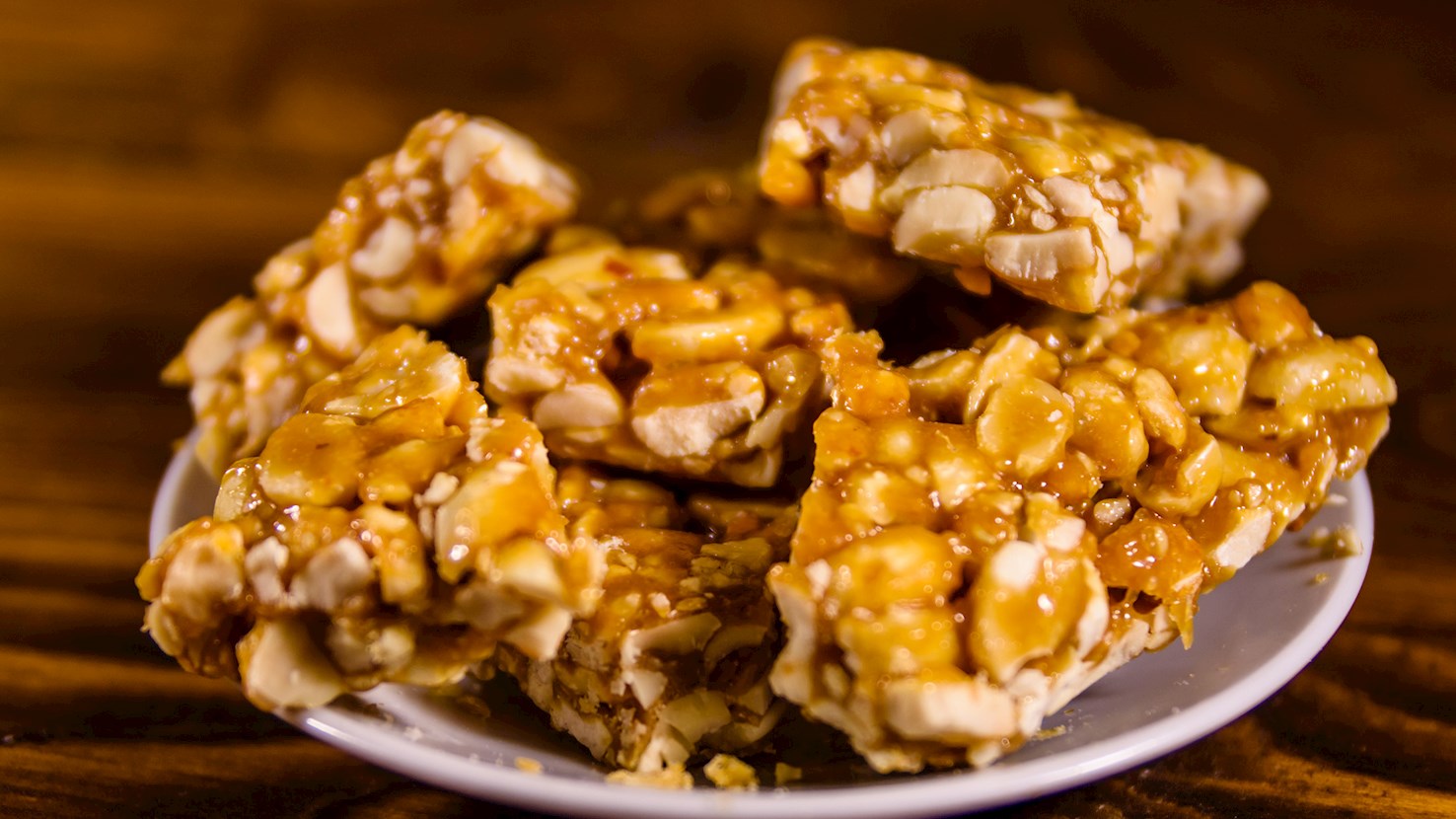
Peanut brittle is a hard candy made by cooking sugar until it caramelizes and combining it with roasted peanuts to form a crisp sheet that is broken into pieces once cooled. It is strongly associated with North America, particularly the United States, where it has become a classic confection in households and sweet shops, though similar nut brittles can be found across many cultures. Recipes resembling brittle go back centuries, with variations in Europe, the Middle East, and Asia using different nuts and sweeteners, but in America peanuts became the star ingredient due to their wide availability and cultivation in the South. Over time, it became a favored homemade treat, especially during the 19th and early 20th centuries, when candy-making in kitchens was part of holiday traditions. Making peanut brittle involves preparing a caramel base with sugar or corn syrup, often with butter for richness, and sometimes with baking soda to create a lighter texture and tiny bubbles that make the candy less dense. The roasted peanuts are stirred into the hot syrup, and the mixture is spread quickly on a greased surface or parchment paper before it hardens. Once cooled, it is broken into jagged shards, which is how the name “brittle” reflects its crackling nature. While most versions rely on peanuts, other nuts such as cashews, almonds, or pecans can be used, and some recipes include spices like cinnamon or chili powder to add a modern twist. Peanut brittle is most often enjoyed during festive seasons, particularly around Christmas, when homemade candies are shared as gifts or set out in candy dishes. It is also sold commercially year-round in tins and bags, sometimes paired with chocolate or used as a topping for ice cream. Because of its rich sweetness and nutty depth, it pairs well with black coffee, tea, or even a glass of milk, and in some creative uses it is crushed and added to baked goods or layered into desserts.

04

Saltwater taffy

3.2 ·

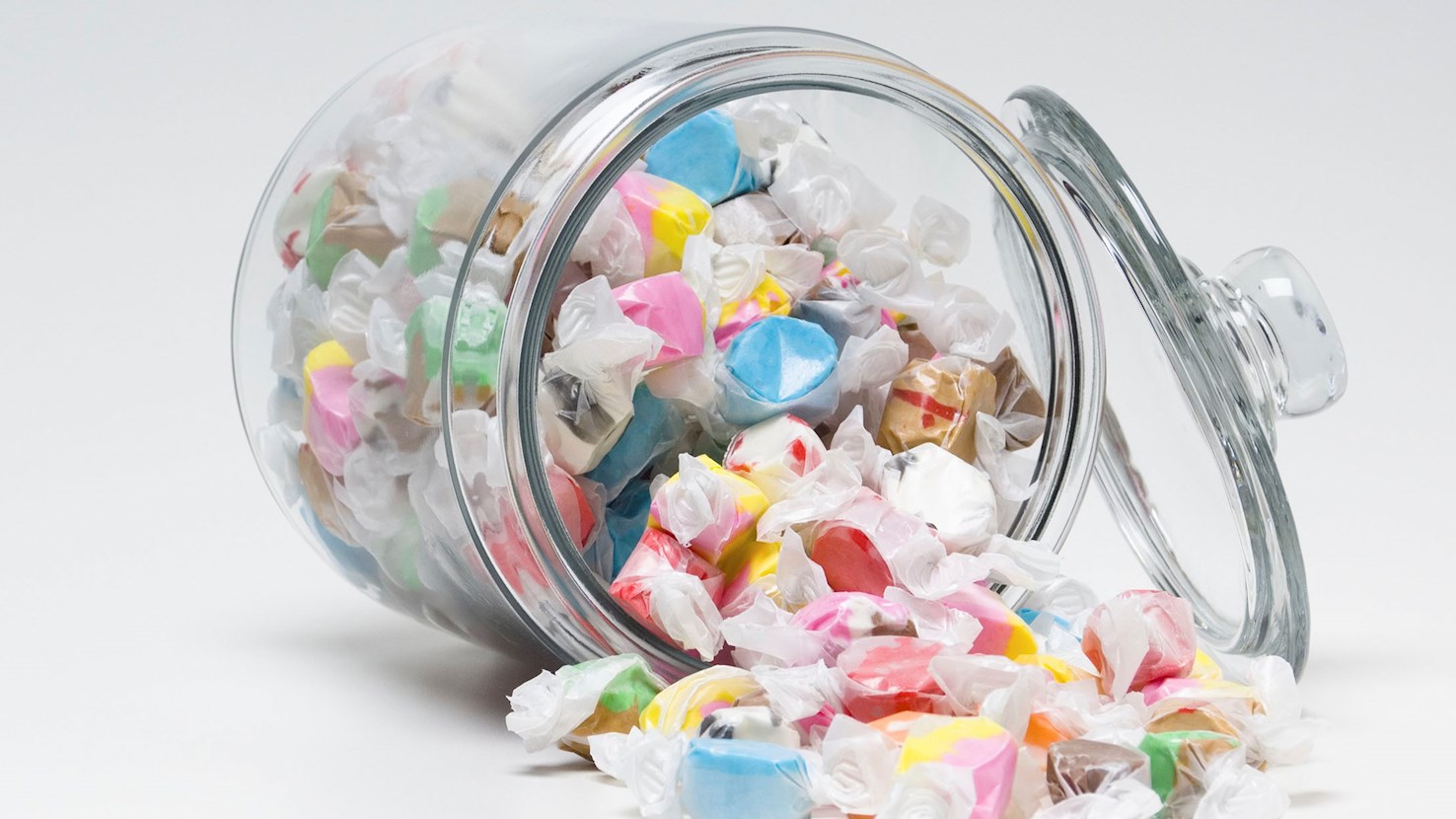
Saltwater taffy is Jersey Shore's trademark souvenir, a chewy assortment of pastel-coloured candies, each one individually wrapped in wax paper. The sweet treat has a British origin and its name is an Americanized version of the word toffee. In the late 19th century, Joseph Fralinger, glassblower by trade, opened a taffy stand on the Atlantic City beach, and the candies were a great success. Saltwater taffy consists of melted butter and sugar, cooked over an open fire and cooled on marble slabs. The method of production is unique - as the mixture cools, it is thrown onto large hooks and pulled by hand until it gets soft and chewy in texture. Although the name suggests it, the candy does not contain saltwater, instead - just a pinch of salt. With a variety of colors and flavors such as peanut butter, vanilla, and chocolate, taffy has spread far beyond Jersey Shore, its tender and chewy texture providing a hefty dose of sugar to consumers with a sweet tooth.

05

Jelly Beans

3 ·

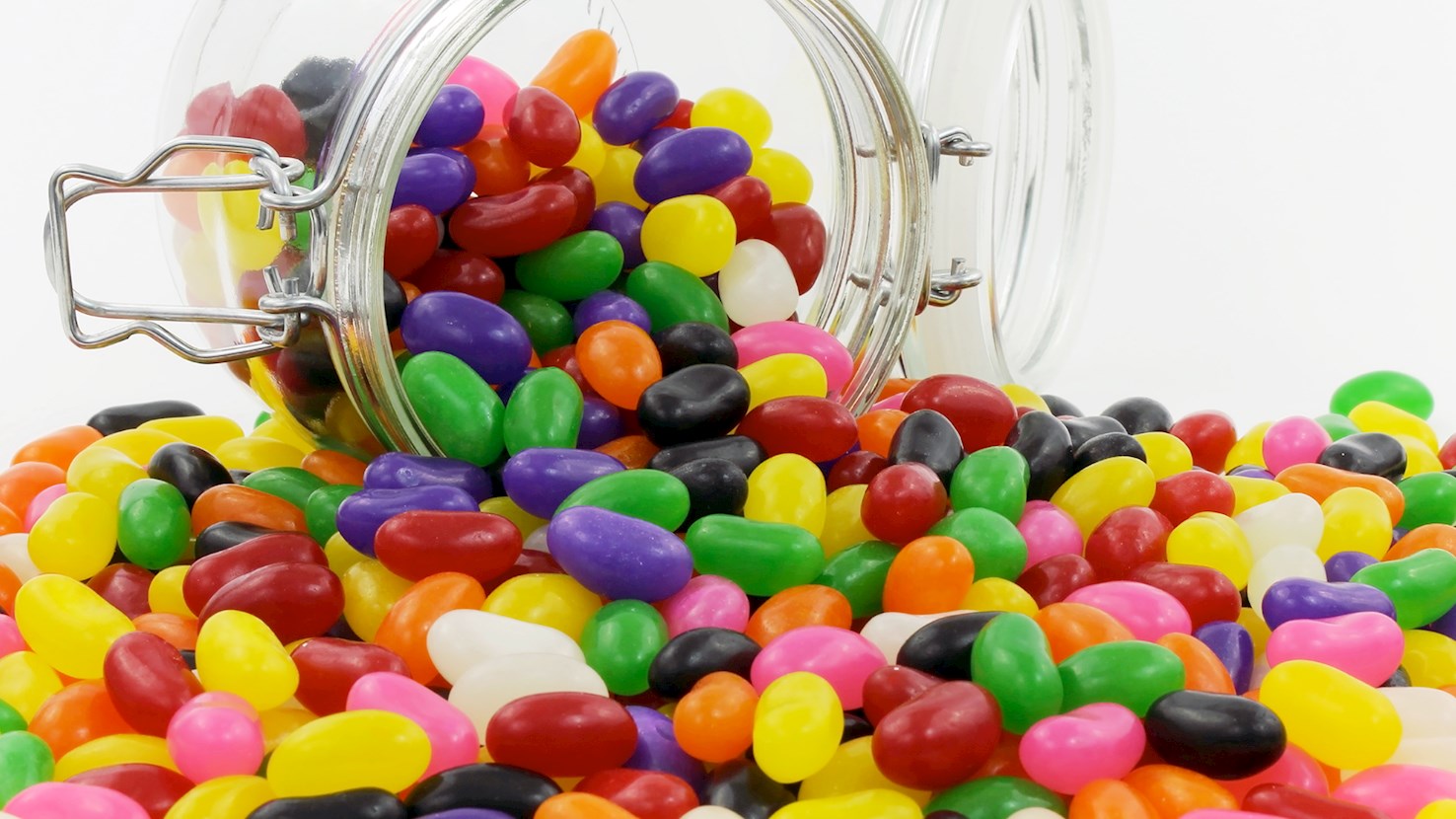
These tiny, bean-shaped sugar candies are an indelible part of the childhood memories of millions of Americans. The chewy jelly beans have a stiff exterior shell and a gelatinous interior, and they come in numerous colors and flavors. Corn syrup, sugar, and starch are the key ingredients used in their production. The earliest reference to jelly beans is closely tied to a Bostonian candy maker named William Schrafft, who first started sending these candies to Union soldiers who were fighting in the Civil War. By the 1930s, jelly beans had exploded in popularity and were sought after throughout the United States, where they were associated with Easter due to their egg-like shape. Today, jelly beans remain an American favorite, and they even have their own day - American National Jelly Bean Day, celebrated every year on April 22nd.

06

Candy Corn

2.4 ·

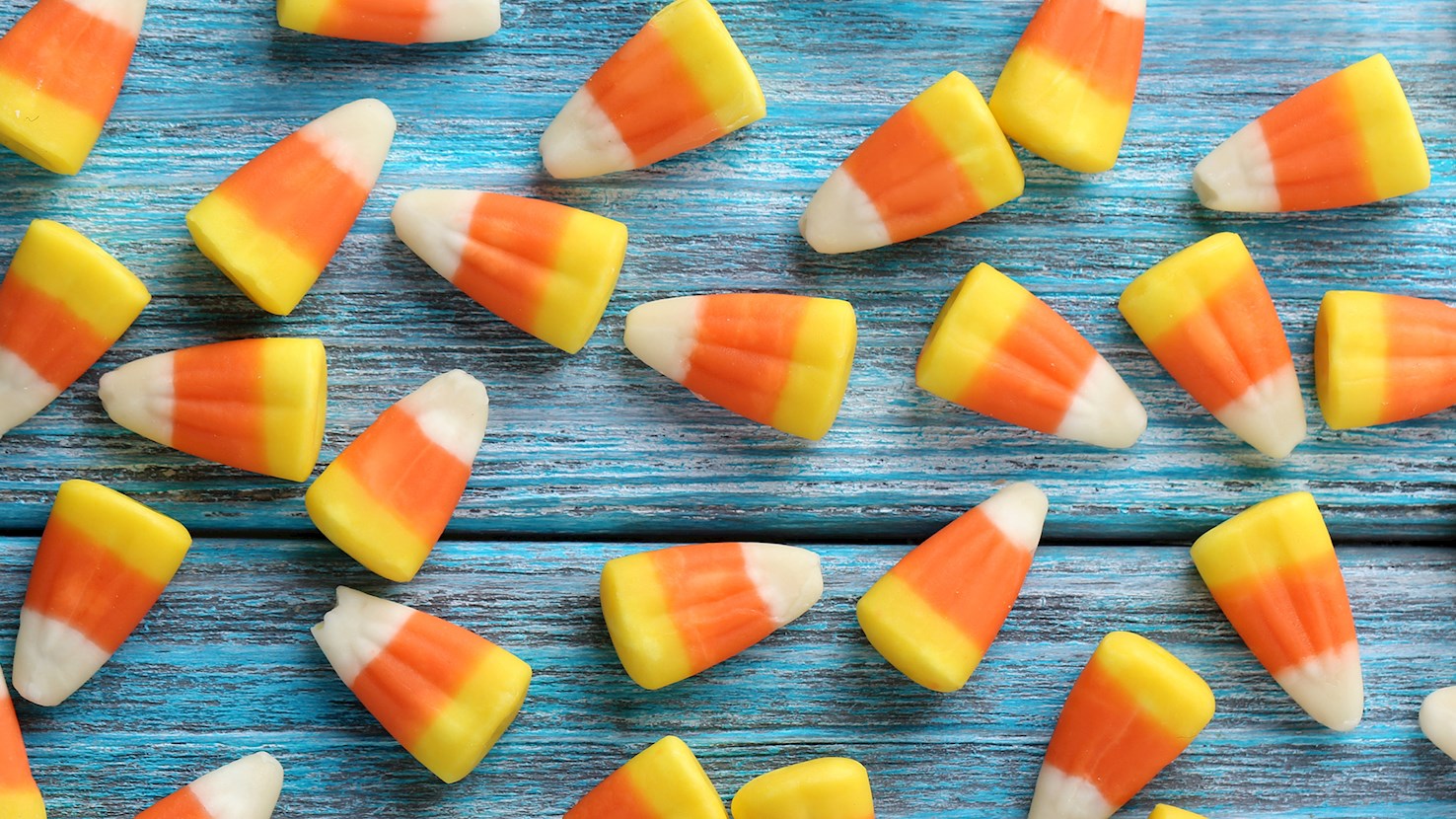
What once started out as chicken feed (the original name of the candy), has over the years become the quintessential American sweet treat called candy corn. Originally, the sweet confection was made with mellow cream - a mixture of sugar, corn syrup, and water - but it was later enhanced with the addition of fondant and marshmallow to achieve a better and smoother final product. Once cooked, the hot slurry was dyed into the three distinctive colors - orange, yellow, and white - before being poured into kernel-shaped cornstarch molds, giving the candy its characteristic dried corn kernel’s appearance, hence its name. Although its origins remain dubious, the National Confectioners Association has credited George Renninger, an employee of Wunderle Candy Company, for being the ingenious mind behind this simple creation, which is believed to have been invented sometime in the 1880s. Initially produced by the Wunderle Candy Company, the confection saw its glory days when the Goelitz Candy Company (present-day Jelly Bean Company) began its candy corn mass production in 1898. Over the years, the confection surpassed its primary role as a year-round sweet treat for farmers’ children and became the ultimate Halloween treat. The more-than-a-century-old American love-hate relationship with this candy hasn’t influenced the continuing annual production of 9 billion pieces of candy corn. To honor the confection’s yearly production, National Candy Corn Day is annually celebrated on October 30, just in time for Halloween. Apart from the classic orange-yellow-and-white variety, candy corn is nowadays available in other colors and flavors for a number of holidays, including Thanksgiving, Christmas, Valentine’s Day, and Easter.

07

Modjeska

n/a ·

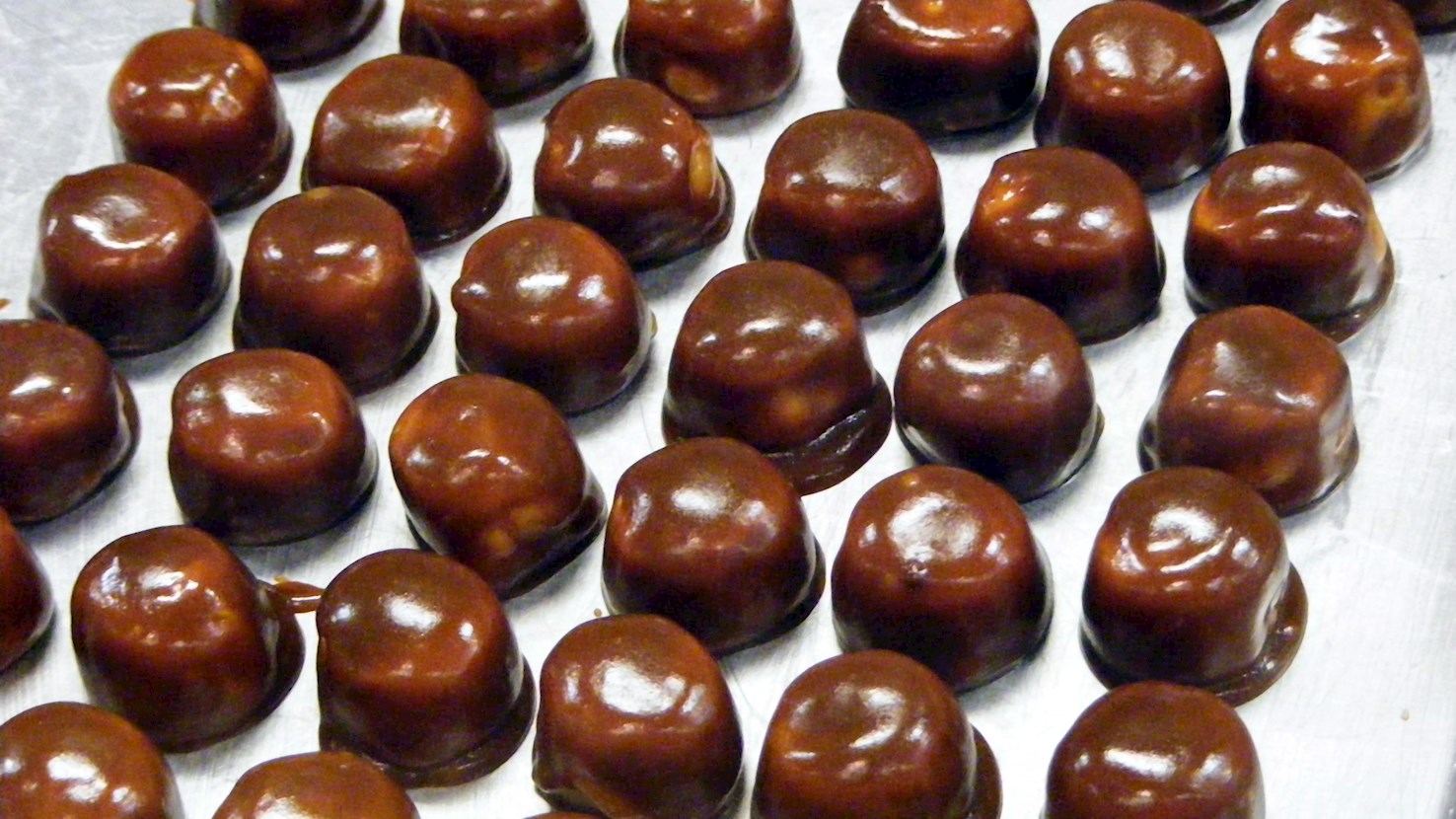
Modjeska is a traditional confectionery product originating from Louisville, Kentucky. It consists of a marshmallow that's dipped in buttery caramel. This sweet treat was invented in the 1880s by Anton Busath, a confectioner who named Modjeska after an actress called Helena Modjeska, who was playing in Ibsen's A Doll's House. Over time, other candy shops in Louisville started to make their versions of Modjeska, and the sweet is still popular in the region.

08

Trefoils

n/a ·

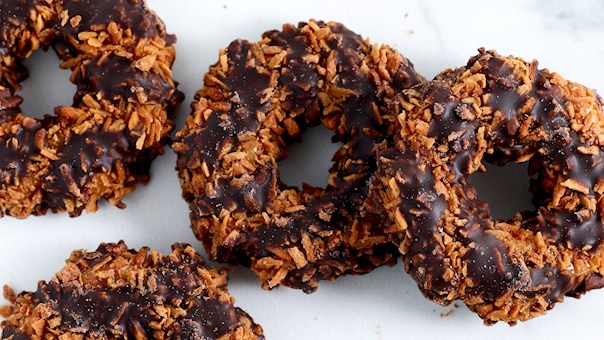
Trefoils are delicate, buttery shortbread cookies baked in the precise shape of the official Girl Scout logo by the Girl Scouts of the USA. The recipe's roots trace back to the 1920s when individual troop members combined basic flour, sugar, and butter in their own domestic kitchens to finance local scouting activities, long before the national organization contracted commercial bakeries to standardize the enterprise in 1936. Factory production today involves mixing massive vats of the straightforward dough, rolling it flat, and mechanically stamping it with the signature three-leaf emblem before routing the raw pieces through continuous tunnel ovens until they reach a pale golden brown. Once cooled and sealed in protective plastic sleeves within blue cardboard boxes, the items require no additional heating or specialized plating, allowing consumers to serve them immediately at ambient room temperature. The cookie's design mirrors the official scouting membership pin, with the three leaves representing the trio of core tenets outlined in the scouting promise. Furthermore, the commercial naming varies by regional distribution contracts; while Little Brownie Bakers uses the Trefoils moniker, the secondary authorized manufacturer, ABC Bakers, labels its visually and structurally identical version simply as Shortbread. People across the American market primarily consume these by hand as a straightforward, standalone snack during the organization's annual winter and spring sales drive. Because the flavor profile relies on a mild sweetness rather than heavy chocolate or bold fruit fillings, buyers frequently pair the cookies with acidic or contrasting accompaniments like lemon curd, fresh strawberries, or slices of sharp cheddar cheese, and often consume them alongside hot English breakfast tea, light-roast coffee, or a standard glass of cold cow's milk.

09

Thin Mints

n/a ·

Thin Mints are round, peppermint-flavored chocolate wafers completely enrobed in dark chocolate, distributed exclusively in the United States by the Girl Scouts of the USA. A version of this confection first emerged in 1939 under the name Cooky-Mints, evolving through various iterations and title adjustments such as Chocolate Mint and Chocolate Thin Mints before solidifying its current identity and becoming the highest-selling item in the organization's entire catalog. The cookies are served straight from the protective foil sleeves and cardboard boxes, without any cooking or plating, although chilling or freezing the packages prior to consumption is a common practice to alter the textural snap of the outer layer. Unlike other items in the national lineup, which have different names and distinct recipes depending on the specific manufacturing facility, this is the sole product that retains the same moniker regardless of whether it is produced by ABC Bakers or Little Brownie Bakers, and both factory formulations are entirely vegan. Individuals across the American market eat these treats primarily by hand as a standalone dessert during the official late-winter-to-spring sales window. The pronounced peppermint oils and dark cocoa notes create a sharp flavor profile that pairs effectively with hot beverages like brewed coffee, hot chocolate, and matcha green tea, while crushed segments are frequently incorporated into cold dairy products, serving as a standard mix-in or ice cream topping.

10

Tagalongs

n/a ·

Tagalongs are circular shortbread cookies topped with a soft peanut butter layer and fully coated in milk chocolate, sold across the United States by the Girl Scouts of the USA. The organization added this item to its national sales lineup in 1976 to meet growing consumer demand for combinations of sweet cocoa and roasted nuts. Commercial manufacturing occurs exclusively at the Little Brownie Bakers facilities. The cookies require no cooking or plating and are served straight from the packaging at room temperature, though many consumers prefer to chill them in a refrigerator or freezer to harden the chocolate before eating. The Girl Scouts use two commercial baking contractors to supply the entire country, resulting in distinct regional variations for this item. While ABC Bakers produces a visually identical, vegan-friendly version called Peanut Butter Patties, the Tagalongs made by Little Brownie Bakers contain dairy ingredients in their milk chocolate coating and utilize a richer shortbread base rather than a crisp vanilla biscuit. People throughout the United States eat them by hand as a standalone dessert or snack during the official late-winter-to-early-spring fundraising season. The high fat content of peanut butter and the sweetness of milk chocolate pair well with bitter or astringent beverages like black coffee, unsweetened iced tea, or dark stout beer. Furthermore, whole or crushed tagalongs are frequently blended into vanilla milkshakes or used to top plain dairy ice cream.

Best American Confectioneries
01

Cocovaa Chocolatier

5 ·
CocoVaa Chocolatier is a chocolate producer based in Madison, Wisconsin. It was founded by Vata Edari, a criminal defense attorney who shifted her career towards artisan chocolate making. CocoVaa specializes in crafting small-batch, handcrafted chocolates that incorporate a diverse array of international ingredients.
Awards
Academy of Chocolate - Gold (2019, 2018)
Academy of Chocolate - Silver (2020, 2019, 2018)
02

Forte Chocolates

5 ·
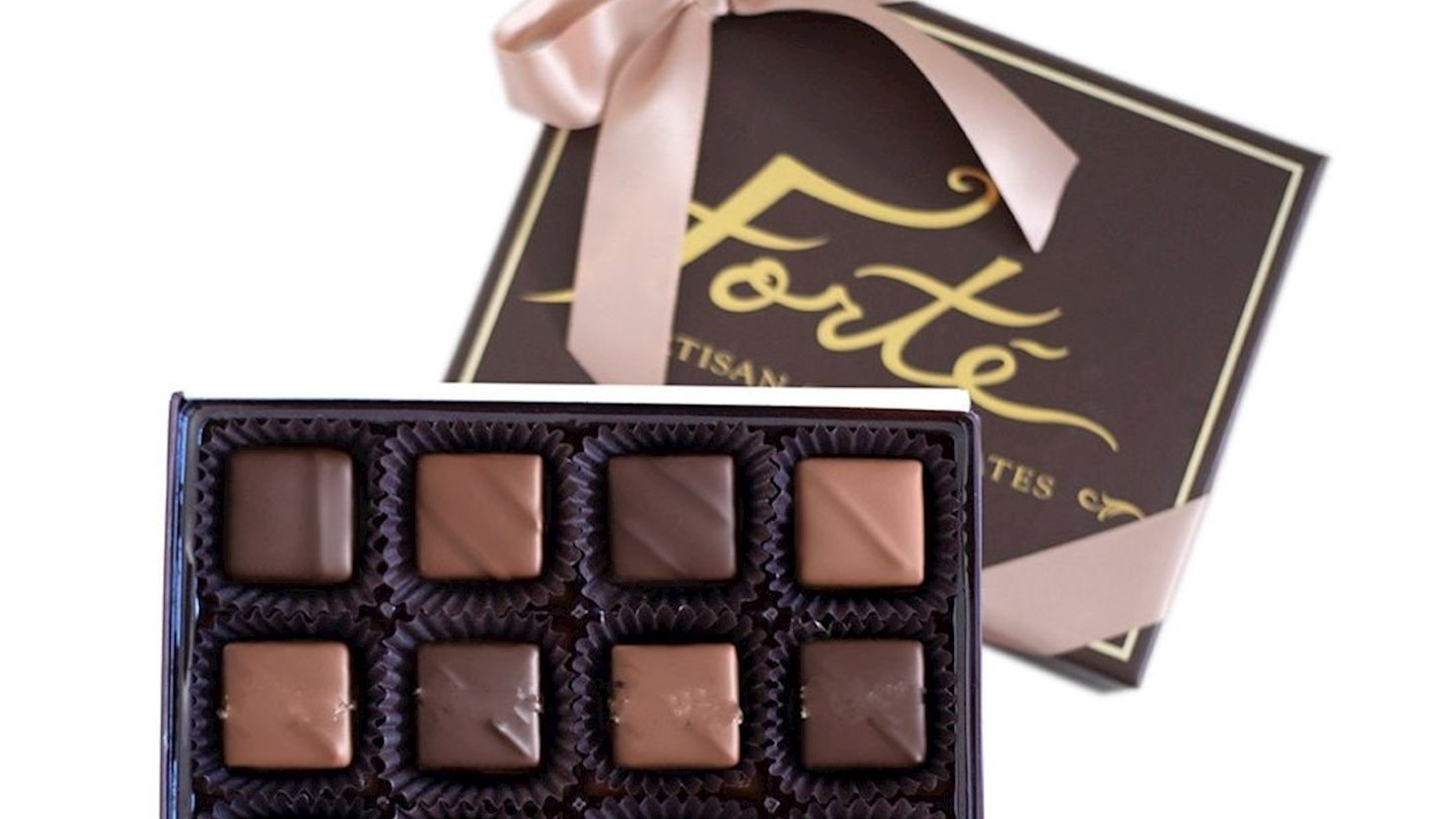
Forte Chocolates, located in Washington, specializes in handcrafted artisan chocolates. The company emphasizes the use of all-natural ingredients and traditional techniques. They offer a variety of chocolate products, including bars, truffles, and seasonal specialties. Forte Chocolates also integrates unique flavors such as lemon pepper with white chocolate, reflecting their innovative approach to chocolate making.
Awards
International Chocolate Awards - Gold (2023, 2020, 2018, 2016)
Academy of Chocolate - Gold (2013)
03

Petrova Chocolates

5 ·
Petrova Chocolates, created by Betty Petrova, is known for innovative and globally-inspired chocolates. The brand emphasizes high-quality ingredients, often using dark chocolate from Kokoa Kamili, paired with unique fillings like spices, fruits, and nuts. Their collections, such as the Postcard Collection, feature diverse flavors from around the world, offering an international fusion in every piece.
Awards
Academy of Chocolate - Gold (2021)
Academy of Chocolate - Silver (2021)
04

Amano Chocolate

5 ·
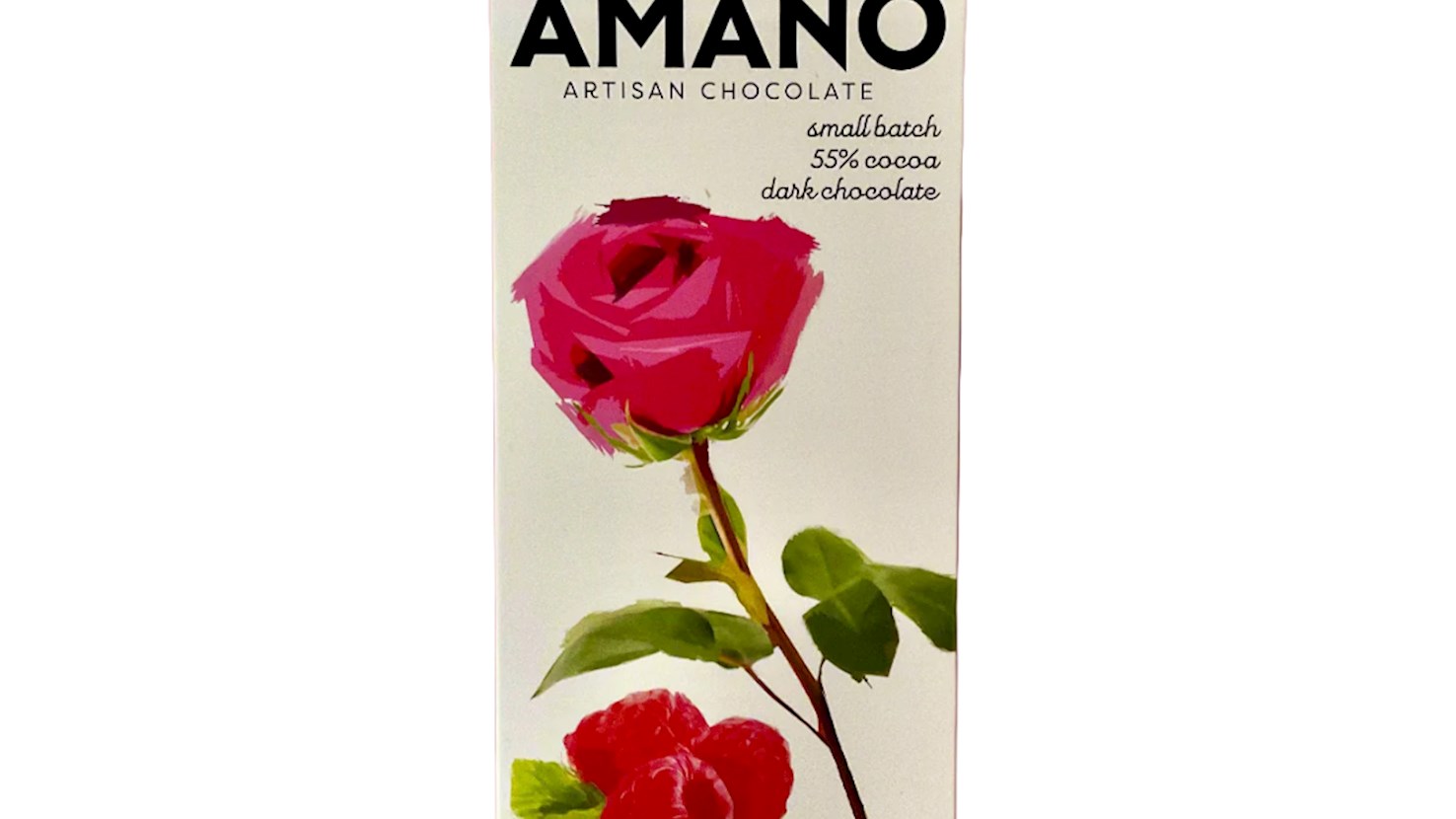
Amano Artisan Chocolate is a highly regarded American bean-to-bar chocolate maker, celebrated for its exceptional craftsmanship and unwavering dedication to quality. Each chocolate bar is handcrafted in small batches using vintage equipment, allowing for precise control over the flavor development and texture. Amano sources rare and fine cacao beans directly from small-scale farmers around the world, including Latin America, the Caribbean, and Africa, paying premium prices that support sustainable farming and the preservation of heirloom cacao varieties. Their chocolates are known for their rich, layered flavor profiles that reflect the unique terroir of each origin. In addition to single-origin bars, Amano is acclaimed for its inventive flavor combinations, such as raspberry with rose and cardamom with black pepper. All products are made with pure, natural ingredients, free from GMOs and gluten. Widely recognized in the international chocolate community, Amano has received numerous awards from prestigious competitions, including the International Chocolate Awards and the Academy of Chocolate. Their work represents a perfect balance of artistry, ethics, and flavor—designed for discerning chocolate lovers who seek depth, authenticity, and excellence.
Awards
International Chocolate Awards - Gold (2017, 2016)
International Chocolate Awards - Silver (2024, 2018, 2015)
05

Goodnow Farms

5 ·
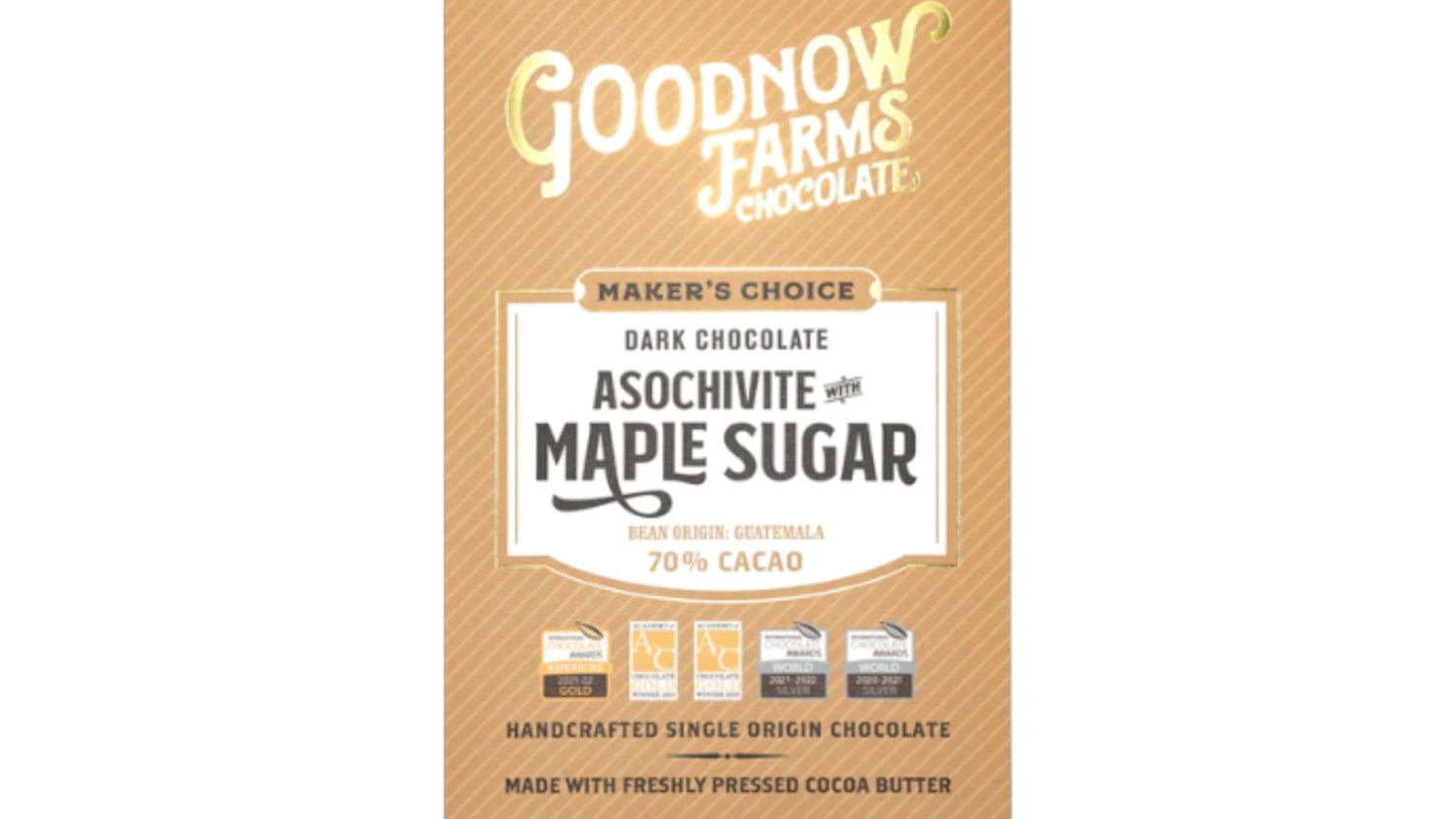
Goodnow Farms Chocolate is a family-owned chocolate maker from the United States, located on a historic farm in the town of Sudbury, Massachusetts. Founded by Tom and Monica Rogan with the desire to create chocolate of exceptional quality through a true bean-to-bar approach, their commitment to authenticity is reflected in direct partnerships with cacao producers across Latin America, ensuring not only the highest quality beans but also supporting sustainable communities and fair trade. Goodnow Farms is one of the rare chocolate makers in the world that presses its own cocoa butter from the same beans used in its chocolate, preserving the full aromatic complexity and unique flavor profile of each origin. Their chocolates are known for their exceptionally smooth texture, deep, expressive flavors, and refined balance. Goodnow Farms Chocolate is not just chocolate—it is a story of respect for the land, the people, and every cacao bean, captured in a product that combines tradition, craftsmanship, and outstanding quality.
Awards
Academy of Chocolate - Gold (2024, 2023, 2022, 2021, 2020, 2019)
International Chocolate Awards - Gold (2024)
06

Dick Taylor

5 ·
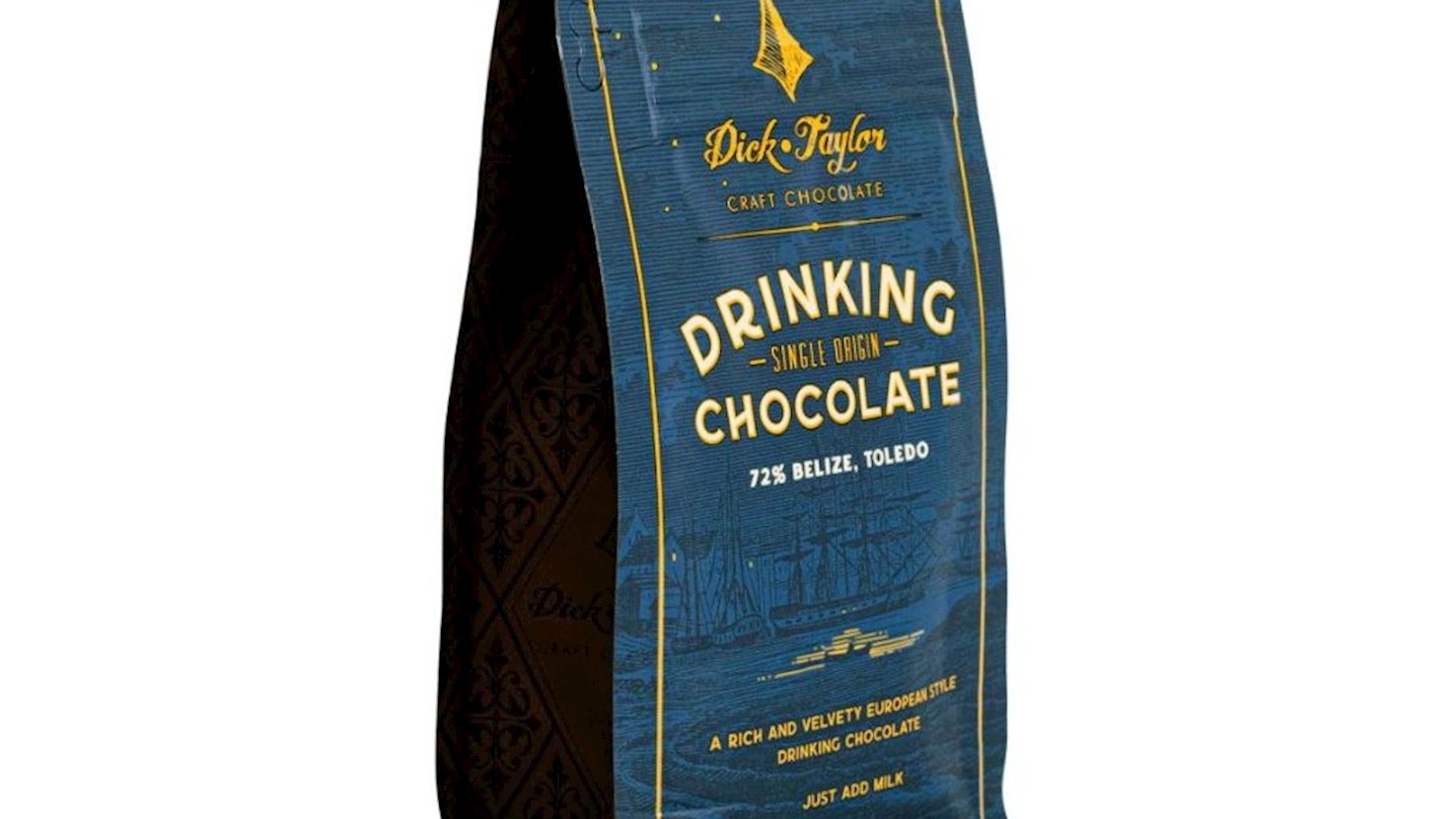
Dick Taylor Craft Chocolate is an American chocolate maker dedicated to the authentic bean-to-bar philosophy, combining traditional craftsmanship with the finest quality ingredients. Founded out of a passion for artisanal work and pure flavors, Dick Taylor handcrafts their chocolate using minimally processed, organically grown ingredients, without additives like soy lecithin, vanilla, or additional cocoa butter. Their chocolates are distinguished by exceptional purity of flavor, refined textures, and carefully developed aromatic profiles that reflect the unique character of the cacao’s origin. Dick Taylor stands out for their commitment to traditional techniques such as slow roasting and extended conching, achieving a depth and complexity that is rarely found. Each bar embodies a perfect balance of artisanal precision, sustainable practices, and a true passion for chocolate, offering an unforgettable experience for discerning chocolate lovers who appreciate authenticity and excellence at its purest.
Awards
Academy of Chocolate - Gold (2022, 2021, 2019, 2017, 2016, 2015)
Great Taste Awards - 3 Stars (2022)
07

Fruition Chocolate

5 ·
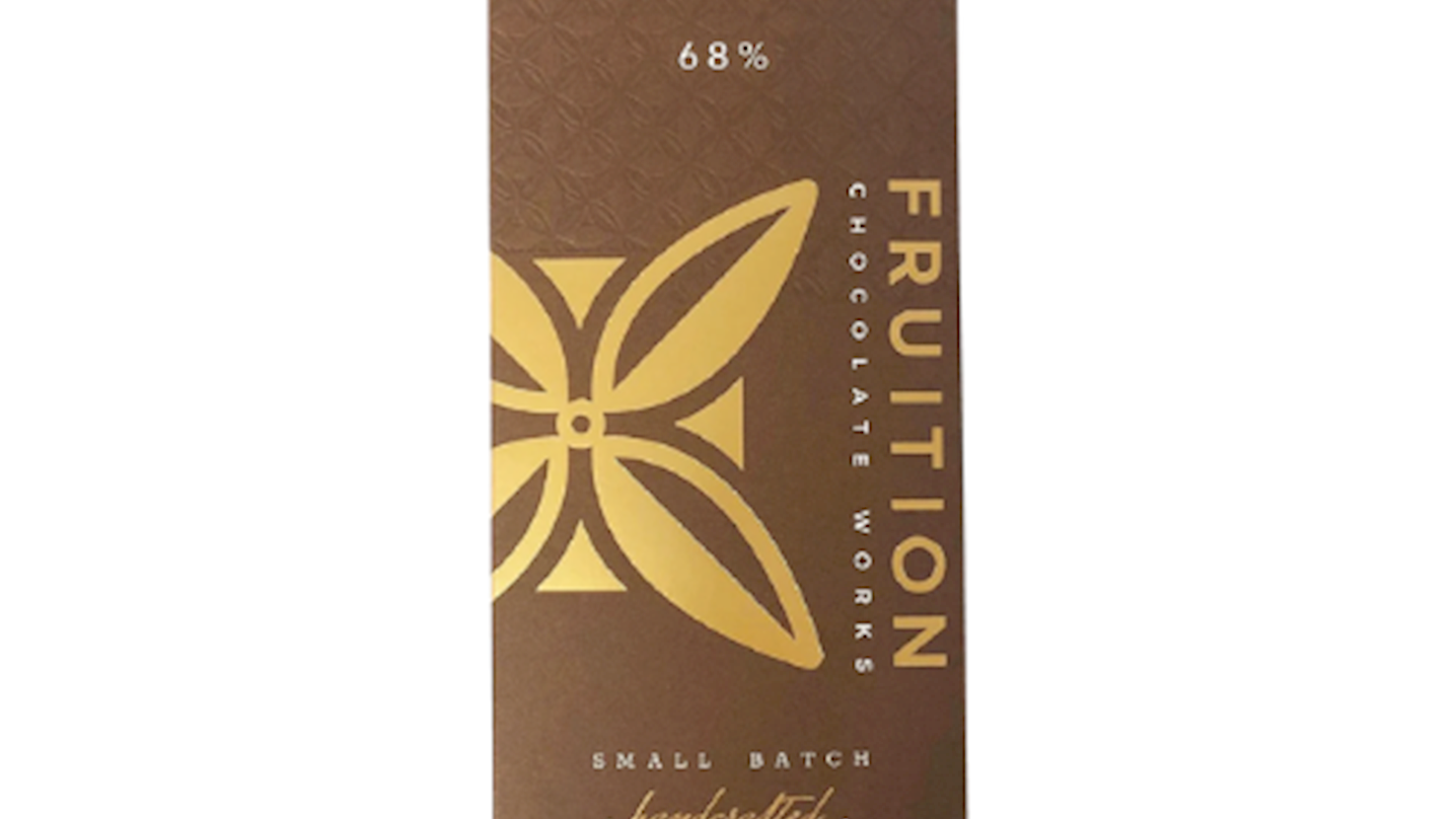
Fruition Chocolate is a small-batch artisan chocolate company based in Shokan, New York. It was founded by Bryan Graham. The company specializes in crafting high-quality bean-to-bar chocolate, meticulously overseeing every step of the process from the sourcing of cocoa beans to the final product. Fruition focuses on producing a range of chocolate bars, confections, and other chocolate products, emphasizing organic and ethically sourced ingredients.
Awards
International Chocolate Awards - Best in competition' overall winners (2016)
Academy of Chocolate - Gold (2018)
08

Stone Grindz Chocolate

5 ·
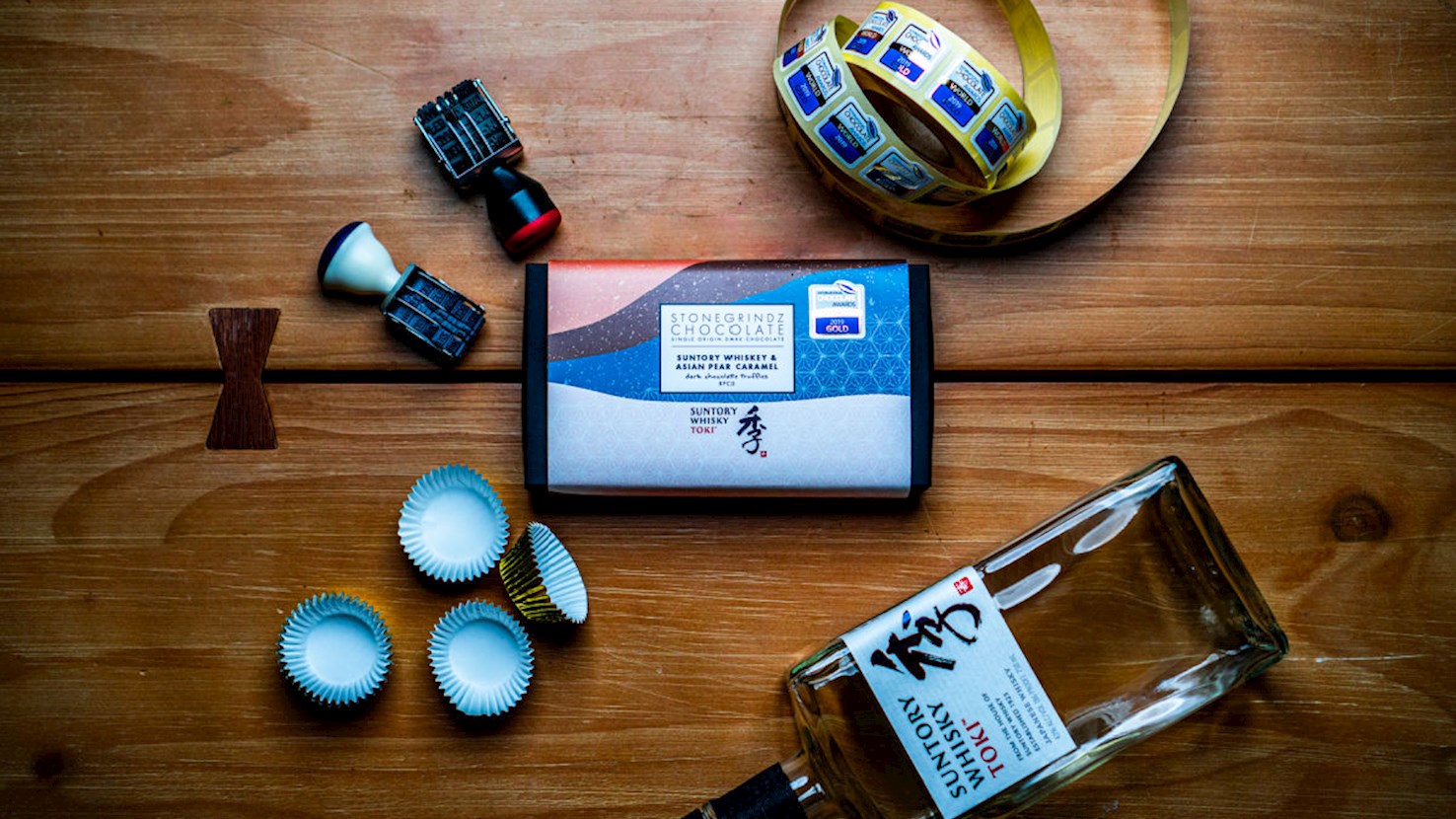
Stone Grindz Chocolate is located in Scottsdale, Arizona, and specializes in crafting bean-to-bar chocolate. The company focuses on using ethically sourced cacao beans and emphasizes small-batch production to enhance flavor quality. Stone Grindz Chocolate has received awards for some of its innovative chocolate creations.
Awards
International Chocolate Awards - Gold (2019)
International Chocolate Awards - Silver (2019)
09

Cru Chocolate

5 ·
Cru Chocolate, based in Roseville, is a chocolate producer that emphasizes the use of ethically sourced cacao from Central America. The company is known for handcrafting small-batch, single-origin chocolate bars and other cacao products that highlight traditional Latin American flavors and techniques.
Awards
Academy of Chocolate - Gold (2020, 2018)
Academy of Chocolate - Silver (2020, 2018)
10

Theo

5 ·
Theo Chocolate, headquartered in Seattle, Washington, was established in 2006 and is notable for being the first organic, fair trade certified chocolate maker in North America. The company sources its cocoa beans directly from farmers in Congo and Peru, emphasizing sustainable and ethical practices in its production processes. Theo Chocolate offers a variety of chocolate products, including bars, snacks, and confections, which are crafted at their factory in the Fremont neighborhood of Seattle, where they also offer factory tours to the public.
Awards
International Chocolate Awards - Gold (2016)
Academy of Chocolate - Gold (2013, 2011, 2008)
Read more
View all
View map
About this ranking

TasteAtlas food rankings are based on the ratings of the TasteAtlas audience, with a series of mechanisms that recognize real users and that ignore bot, nationalist or local patriotic ratings, and give additional value to the ratings of users that the system recognizes as knowledgeable. For the “Top 100 American Confectioneries” list until June 10, 2026, 811 ratings were recorded, of which 766 were recognized by the system as legitimate. TasteAtlas Rankings should not be seen as the final global conclusion about food. Their purpose is to promote excellent local foods, instill pride in traditional dishes, and arouse curiosity about dishes you haven’t tried.

The initial list of top producers was compiled based on available reviews, awards, local recommendations, media and blog coverage, and consumer reviews. The list will be updated with ratings from TasteAtlas local ambassadors and TasteAtlas users.

Similar lists