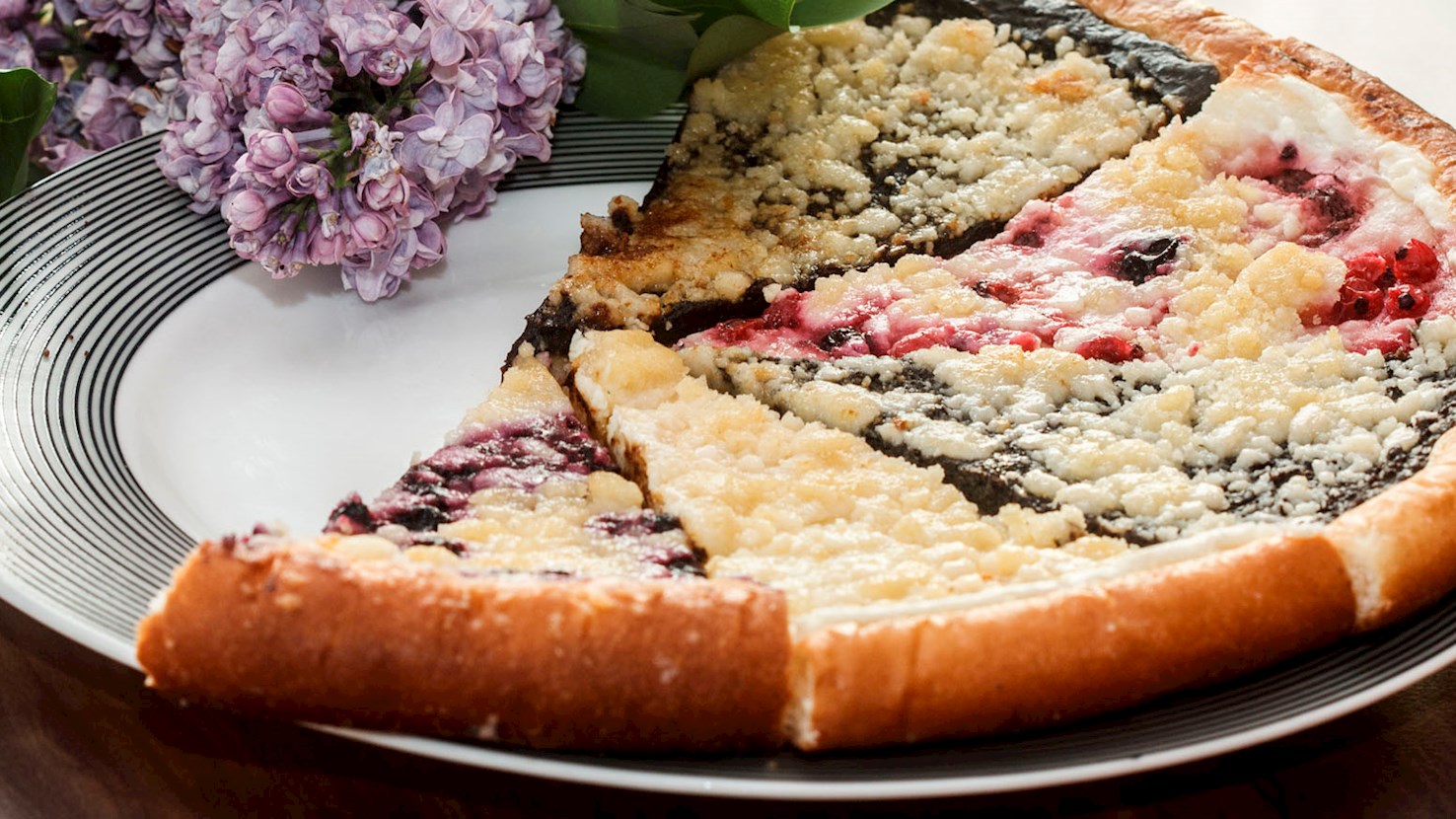
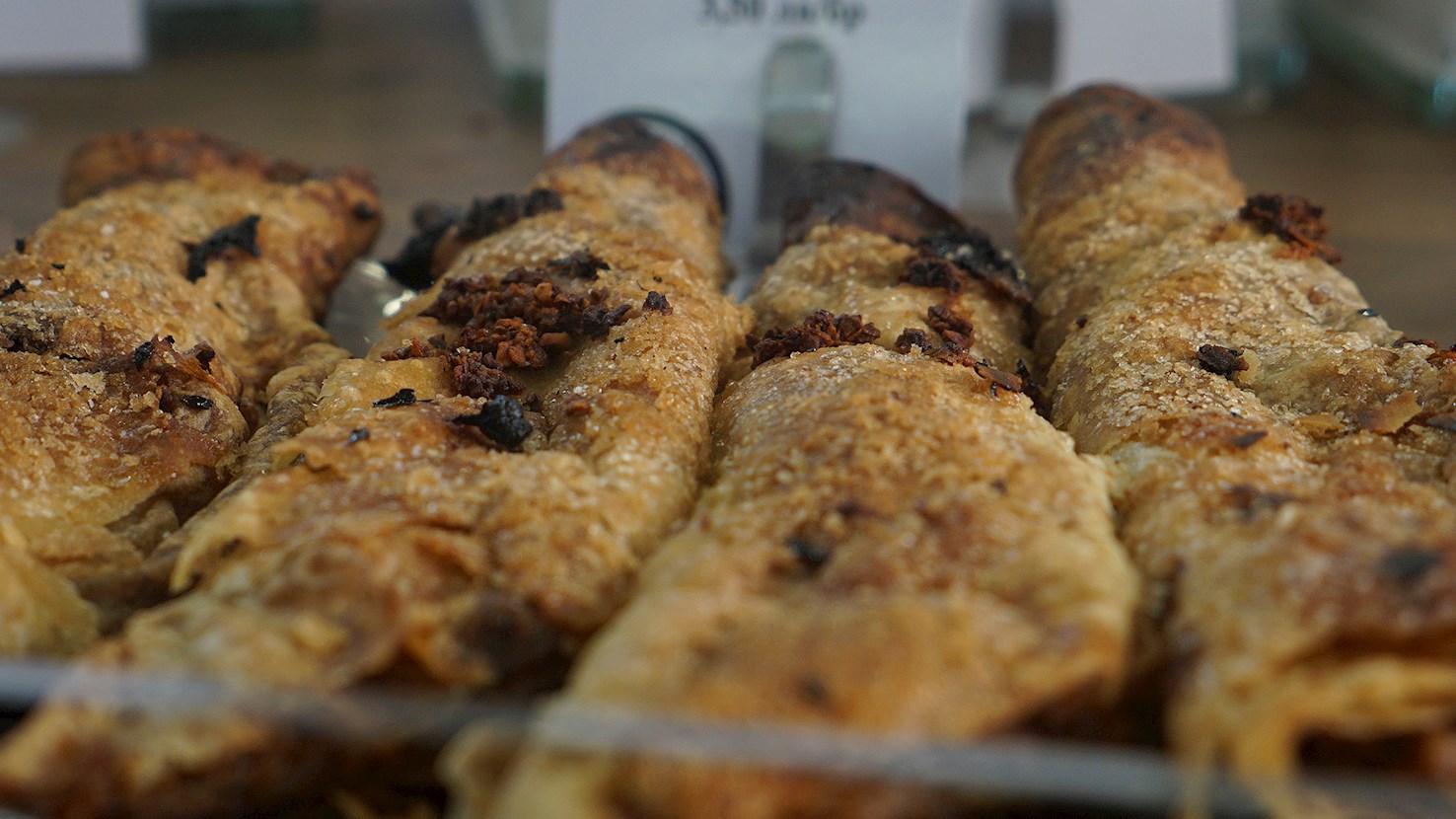
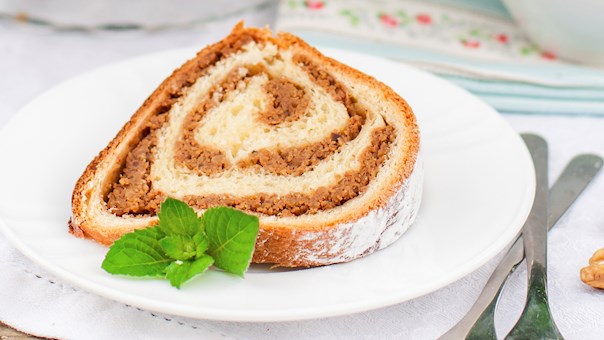
Also known as vdolek, pecák or lopaták, Valašský frgál is a traditionally made, round-shaped sweet cake with toppings, produced in the Moravian Wallachia region in the south-eastern part of the Czech Republic. The cake has a diameter of about 30 centimetres and is golden in color when fully baked. On the surface, there is a crumble that can be additionally sprinkled with sugar, cinnamon, and gingerbread crumbs, or drizzled with butter. Nearly half of the finished product (42-48%) consists of the topping, which can be made from dried pears (the most popular variety), jam, fruits, curd cheese, poppy seeds, walnuts, cabbage, kohlrabi, or carrots. The toppings are never combined. Once the cake is finished, it weighs from 600 to 700 grammes in total and can be sold either fresh or frozen. The recipe for this delicacy dates back to 1826 and is associated with festive occasions such as weddings, Christmas, and Easter.
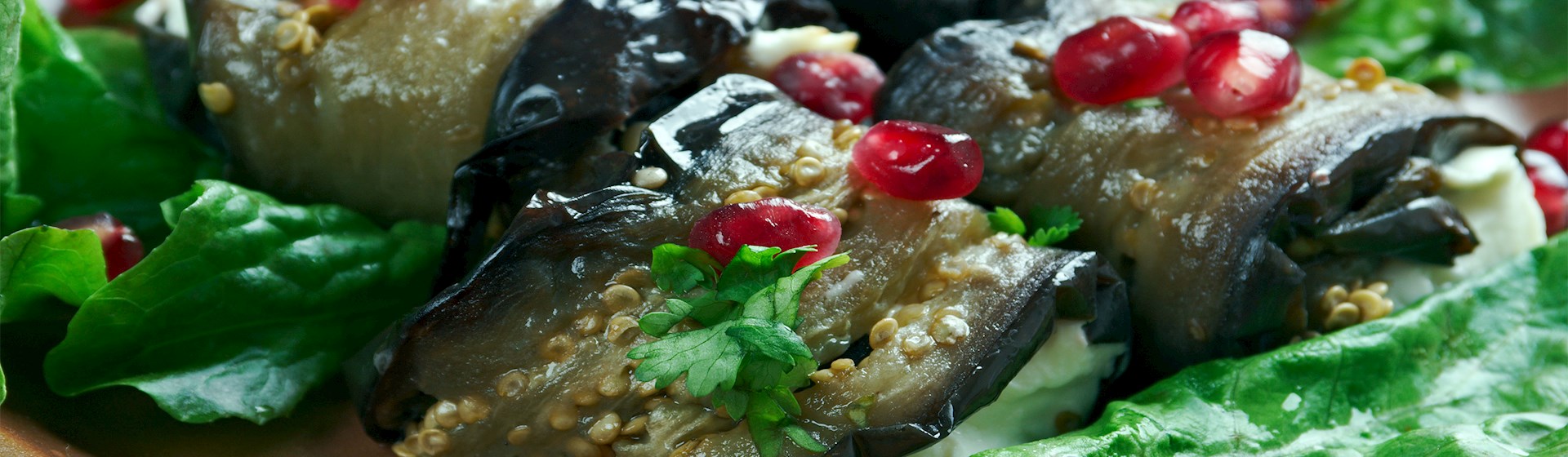
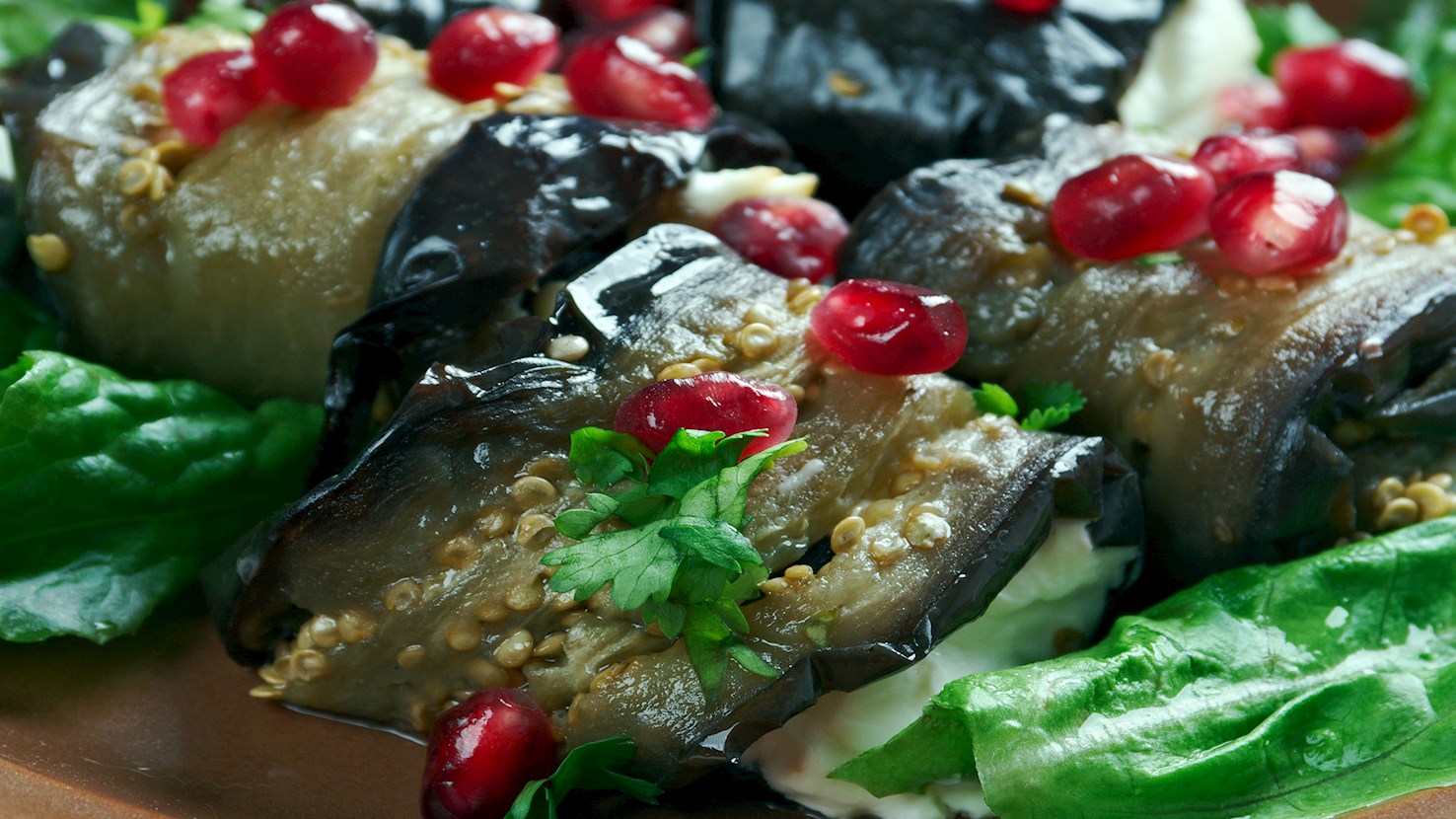
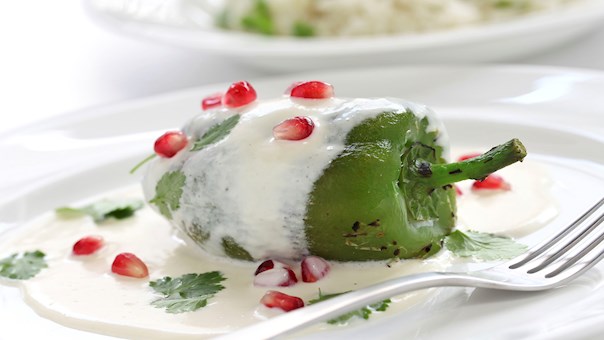
Badrijani is a heavily spiced Georgian dish consisting of eggplant slices that are coated with walnut paste, then shaped into small rolls. The eggplant slices are fried before serving, while the spread is prepared by combining ground walnuts, garlic, and fresh coriander. When served, the assembled rolls are arranged on a plate and topped with pomegranate seeds.
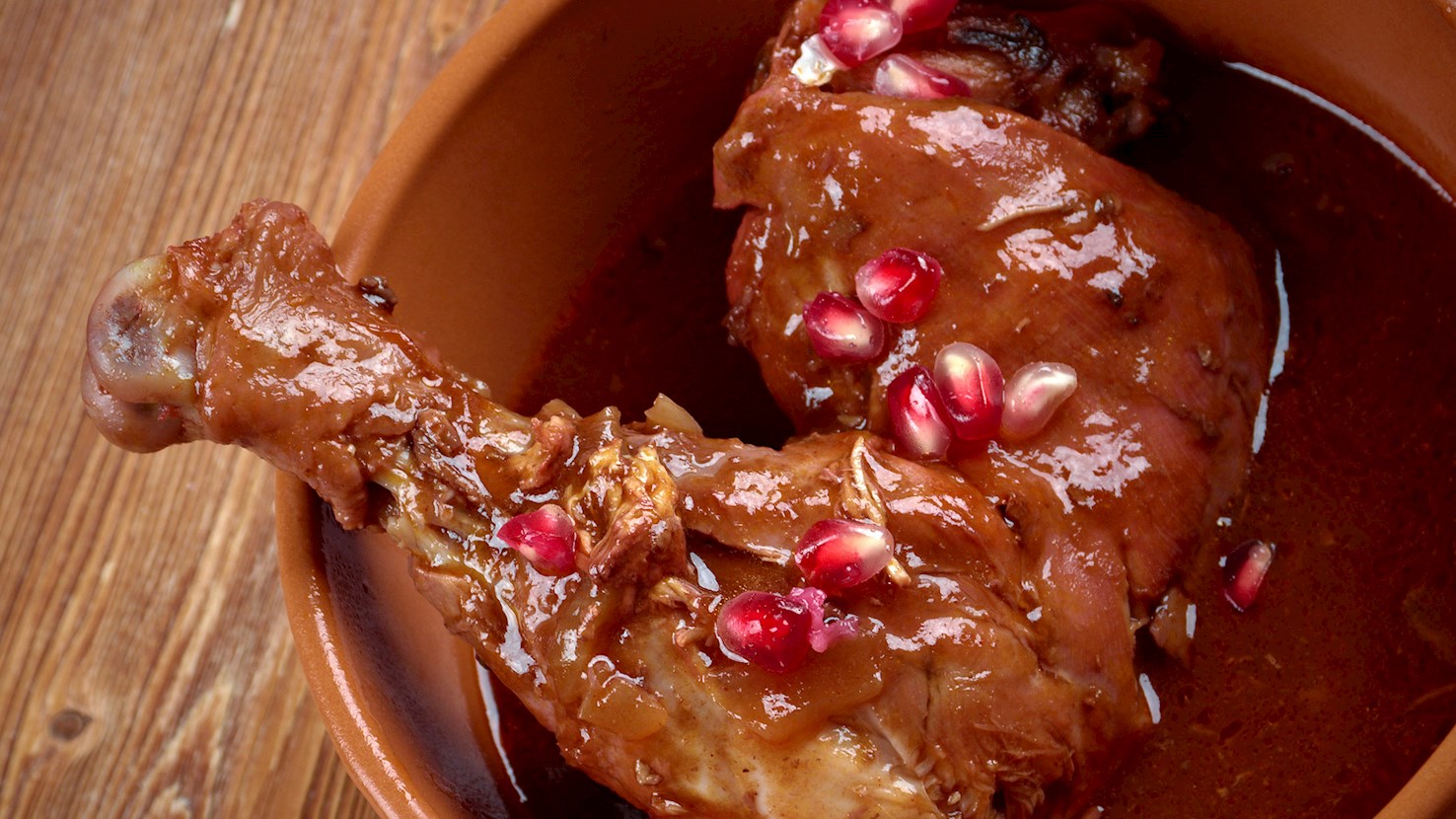
Fesenjān is a rich Persian stew that comes from the northern provinces of Iran, especially Gilan and Mazandaran along the Caspian Sea. Known for its distinctive combination of ground walnuts and pomegranate molasses, this dish is typically prepared with poultry such as duck or chicken, though lamb or beef can also be used. It is valued as one of the most refined examples of Iranian khoresh, offering a deep, tangy-sweet flavor profile that sets it apart from other Iranian stews. The documented history of fesenjān stretches back centuries, with references found in Persian culinary manuscripts describing the method of slow-cooking meat in nut pastes and fruit extracts. Its use of pomegranate, a fruit with ancient ties to Iranian agriculture and symbolism, points to the dish’s connection with pre-Islamic gastronomy and festive occasions. Over time, fesenjān became associated with family gatherings, celebrations, and autumn harvests when pomegranates are plentiful. To prepare fesenjān, cooks begin by finely grinding walnuts until they release their oils, forming a paste that will help thicken the sauce. The meat is seared lightly in oil and simmered slowly in the walnut base, which is diluted with water or stock. As the cooking progresses, pomegranate molasses is added gradually to achieve the characteristic balance of acidity and sweetness. The mixture must cook gently for several hours so the flavors develop fully and the walnuts release their richness, resulting in a thick, dark sauce that clings to each piece of meat. The final seasoning may include a touch of sugar if the pomegranate is especially tart, and occasionally saffron or cinnamon is stirred in to deepen the aroma. This stew is always served hot, ladled over a mound of steaming Persian rice (chelo), with the contrasting textures of fluffy grains and the glossy, walnut-laden sauce. Fesenjān is often presented on special occasions, such as weddings or religious celebrations. Beyond Iran’s borders, fesenjān has drawn the interest of chefs who admire its layered taste and the technique of cooking with nuts as a primary thickener. Its inclusion in cookbooks and restaurant menus highlights the diversity of Iranian regional cooking, which is far broader than many realize. In homes, it remains a dish associated with care and patience, cooked slowly to achieve the exact consistency and flavor that generations have come to expect.
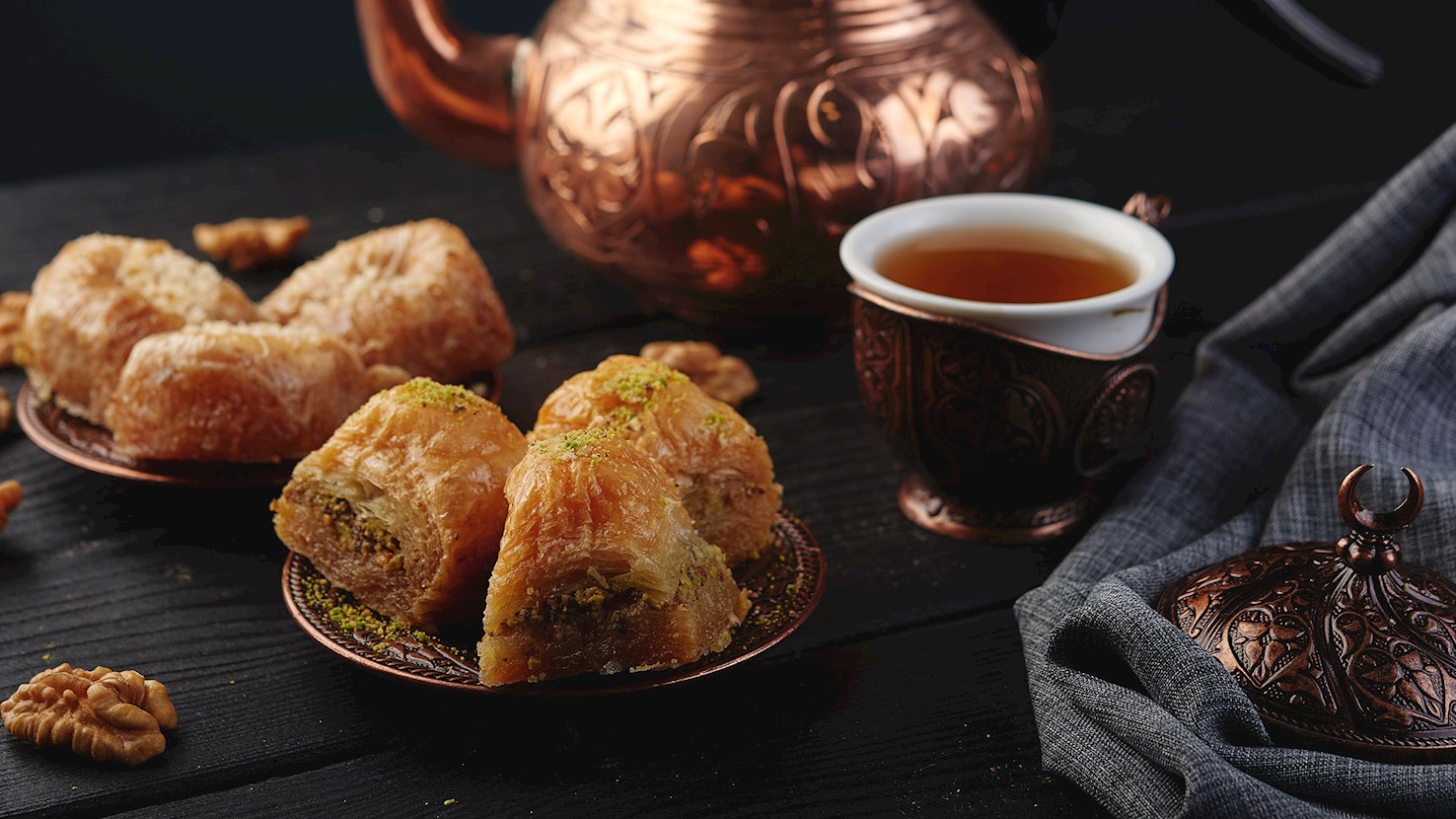
The remarkable baklava is a luscious dessert created with layers of thin phyllo dough intertwined with chopped nuts, all doused in a sweet, viscous syrup. The popularity of baklava has long surpassed borders, regions, and ethnic groups to become a dessert whose origin and invention is claimed by numerous countries. It is probable that it has an Assyrian origin, dating back to the 8th century, from where it spread out throughout the region all the way to Greece. The Greeks altered the recipe and created the thin sheets, known today as phyllo dough, but modern-day baklava is believed to be an original Turkish creation. However, it is almost impossible to pinpoint baklava's exact place of origin, and the debate about its authenticity is still going on between Türkiye and Greece. Traditionally, baklava is made with sheets of paper-thin pastry at the bottom, followed by chopped nuts which are then topped with additional pastry layers. The other traditional way suggests alternating layers of phyllo dough with layers of chopped nuts. The original and authentic baklava should always have a nut-based filling, most commonly walnuts, hazelnuts, or pistachios, but modern versions have introduced unusual fillings such as apricots, chocolate, and even ground cookies. The dessert is typically prepared in large trays, and it is then sliced into squares, triangles, or diamond shapes before being doused in a luscious syrup made with water and sugar or honey. Very often, the syrup is flavored with sliced lemon, rose water, cinnamon, or cardamom. It is supposed to cover the entire tray and keep the delicate pastry succulent, creating a sweet and juicy cover around it. Iranian or Persian baklava differentiates itself because it is drier and lighter than other regional varieties, and it is often flavored with rose water. Even though it was once regarded as a decadent treat that was mostly enjoyed by the aristocracy, the famous baklava is now a traditional pastry and a dessert offered in numerous Oriental, Turkish, or Greek restaurants. It is also often found in pastry shops across the Balkan region all the way to the Middle East.
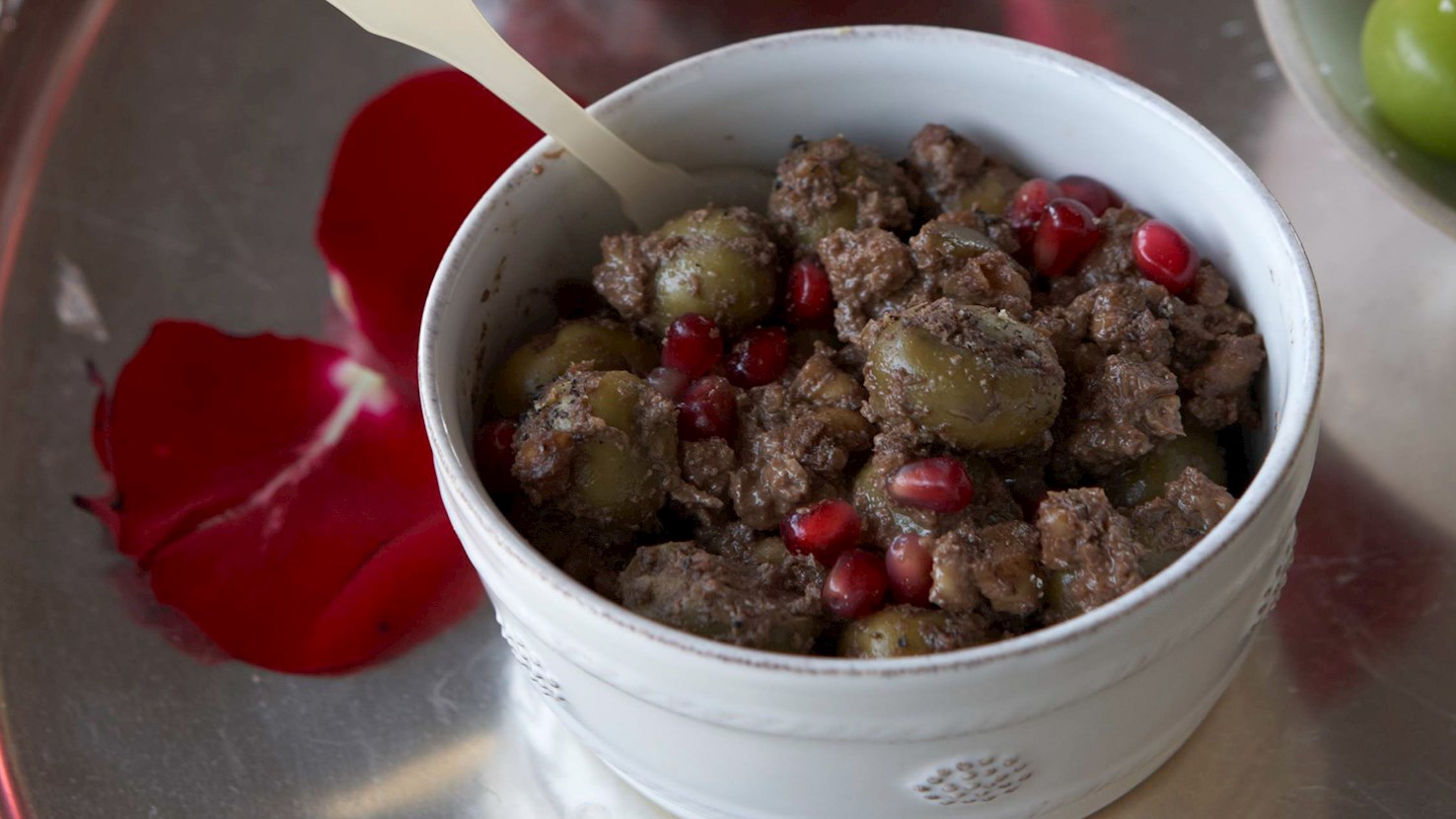
Zeytoon parvardeh is an olive-based appetizer originating in Iran’s northern Caspian region, particularly the province of Gilan. Known for combining pitted green olives with pomegranate molasses, walnuts, garlic, and herbs, it balances tangy, earthy, and aromatic notes that reflect the diverse agricultural produce of the area. The dish belongs to the group of flavorful mezze and accompaniments that characterize Gilani cuisine, where local olives are cultivated in abundance near the coastal plains. The history of zeytoon parvardeh is tied to the long-standing cultivation of olives and pomegranates in northern Iran. The Caspian provinces have been centers of horticulture for centuries, benefiting from humid subtropical weather and fertile soils. Olives were introduced to the region many generations ago and became a staple crop, integrated into recipes that made use of other locally available ingredients such as walnuts and aromatic herbs. Over time, families developed their own versions of the seasoned olive mixture, often preparing it in small batches to serve with meals or offer to guests. Preparation starts with high-quality green olives that are rinsed, drained, and sometimes pitted, depending on preference. Walnuts are finely ground or chopped to a coarse texture, then mixed with crushed garlic and fresh herbs, usually mint and sometimes savory or cilantro. Pomegranate molasses is stirred in to create a sweet and sour base that clings to the olives. A touch of salt, sometimes a squeeze of fresh lemon juice, and a drizzle of olive oil complete the mixture. The ingredients are combined thoroughly so that the flavors soak into the olives, then the dish is covered and left to rest in the refrigerator for several hours or overnight. In Gilan, zeytoon parvardeh is a common feature of meals served alongside rice dishes, kebabs, or fish. Some households also offer it as an appetizer with flatbread. The dish stands out for its combination of textures: the firmness of the olives, the crunch of walnuts, and the syrupy richness of the pomegranate molasses. Although it is sometimes prepared fresh, many cooks believe it tastes better after sitting for a day so the flavors meld. Today, zeytoon parvardeh remains widely eaten in northern Iran and has gained popularity in other parts of the country as a specialty product often sold in jars at markets or brought home as a souvenir from trips to the Caspian coast. It is enjoyed both at family gatherings and in restaurants that showcase Gilani cooking, where it is valued for its vibrant taste and connection to the region’s agricultural traditions.
Salsa di noci is a flavorful Ligurian sauce made with walnuts, garlic, butter, cream, olive oil, and cheeses such as Parmigiano-Reggiano or Grana Padano. The creamy, nutty sauce is often made in a mortar, just like the popular basil pesto. Traditionally, the sauce is served with pansotti, which are filled with ricotta and spinach, but it can also be paired with other pasta varieties such as fettuccine. It is recommended to pair the dishes with fresh Ligurian red and white wines.
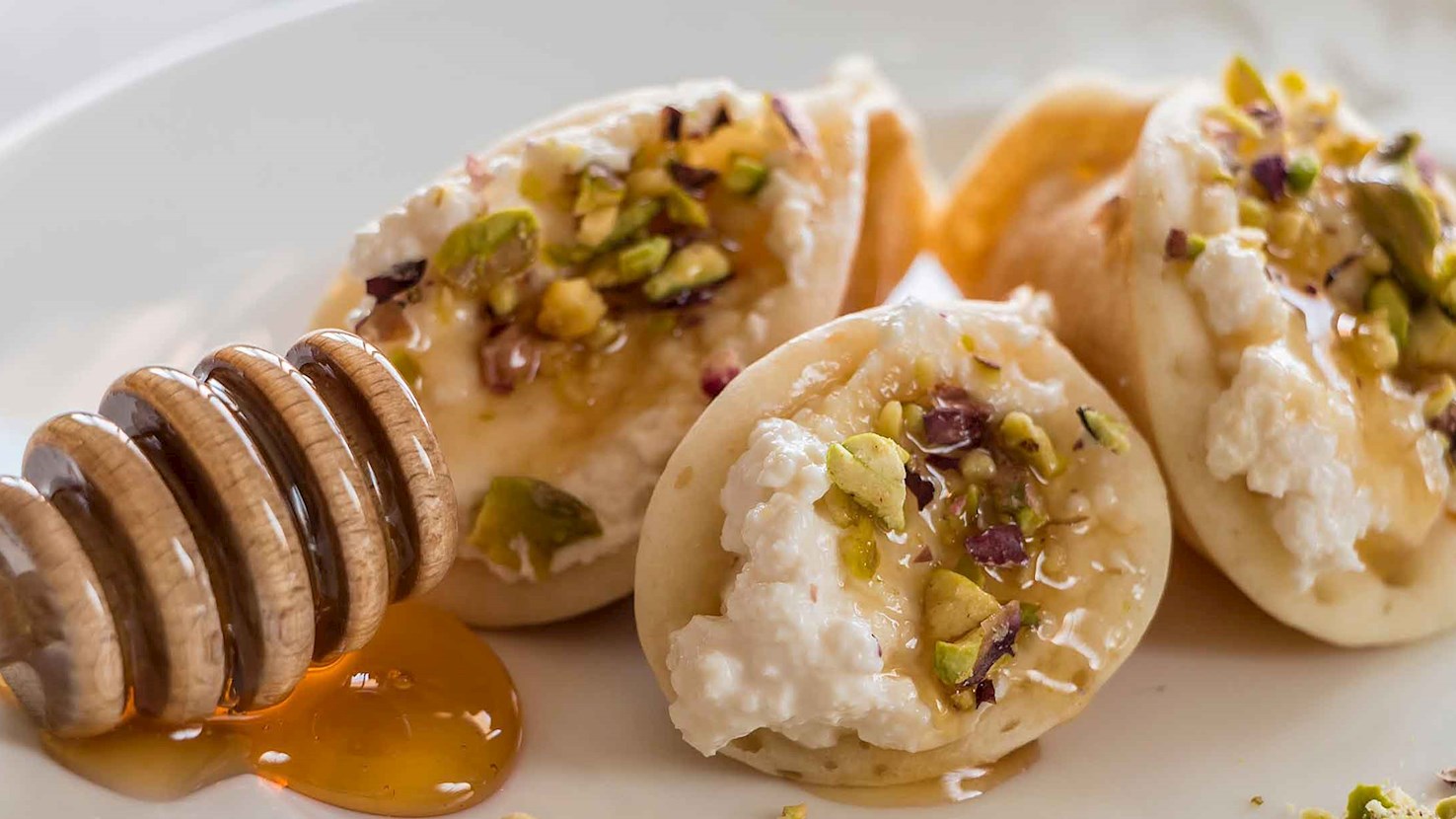
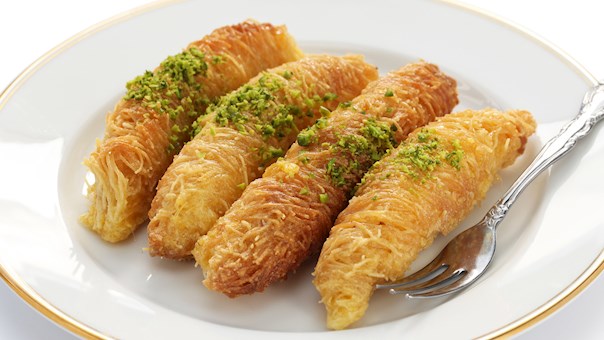
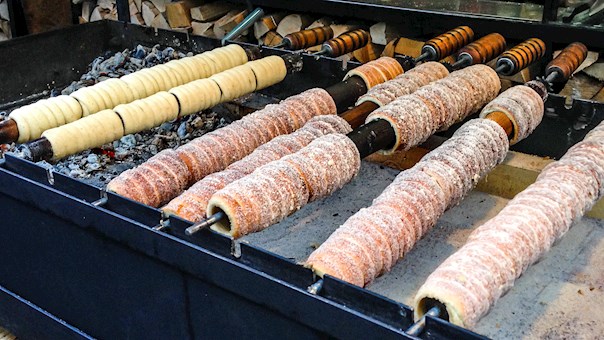
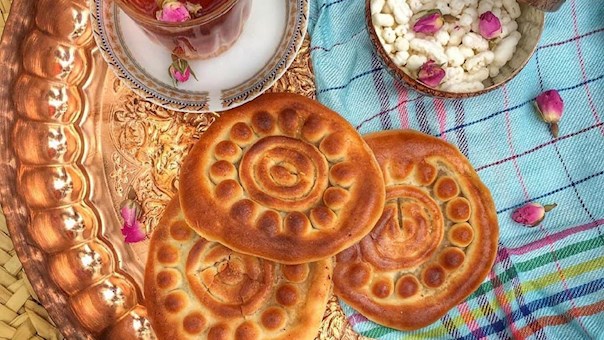
Qatayef is an Arabian dessert and a staple of the Ramadan holiday feast. It is a sweet pancake that is usually filled with cheese or nuts such as walnuts, almonds, pistachios, or hazelnuts. Qatayef can also be consumed plain, topped with clotted cream, or drizzled with sugar syrup. It is believed that nothing is better after the Ramadan fasting than a few nights of socializing and feasting on qatayef, which is either prepared throughout the streets in food stalls or brought over to friends as a sweet gift. Although the dish has Fatimid origins, today it is very popular throughout Levant and Egypt as well, where it is baked in numerous households. The biggest qatayef was made in the city of Bethlehem, currently holding a record with a weight of 104 kilograms and 3 meters in diameter. Apart from the sweet version, qatayef can also come as a savory snack filled with cheese or served plain as a side dish.
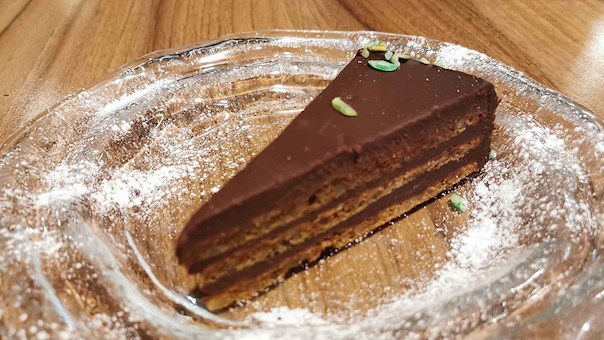
Tikvenik is a traditional pastry consisting of thin sheets of dough that are filled with grated pumpkin, coarsely ground walnuts, sugar, and cinnamon. This pumpkin dessert is a sweet version of banitsa, a phyllo pastry pie that comes in numerous varieties. When baked, tikvenik is sliced and usually dusted with powdered sugar. Tikvenik is often associated with winter season, and it is commonly served on Christmas Eve, but it can be enjoyed throughout the year, either as a delicious breakfast or a hearty dessert. It is recommended to pair tikvenik with a glass of yogurt on the side.
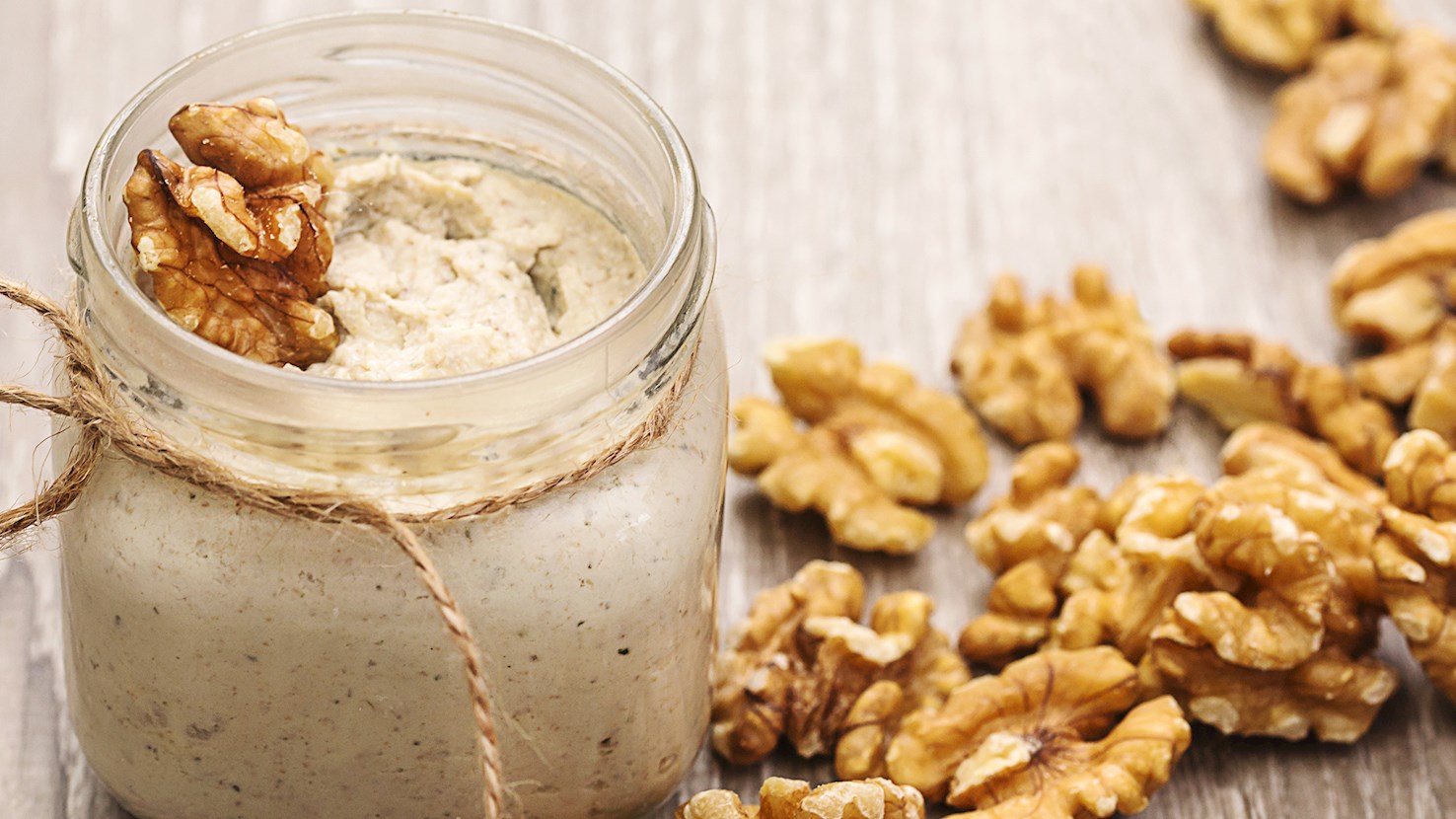
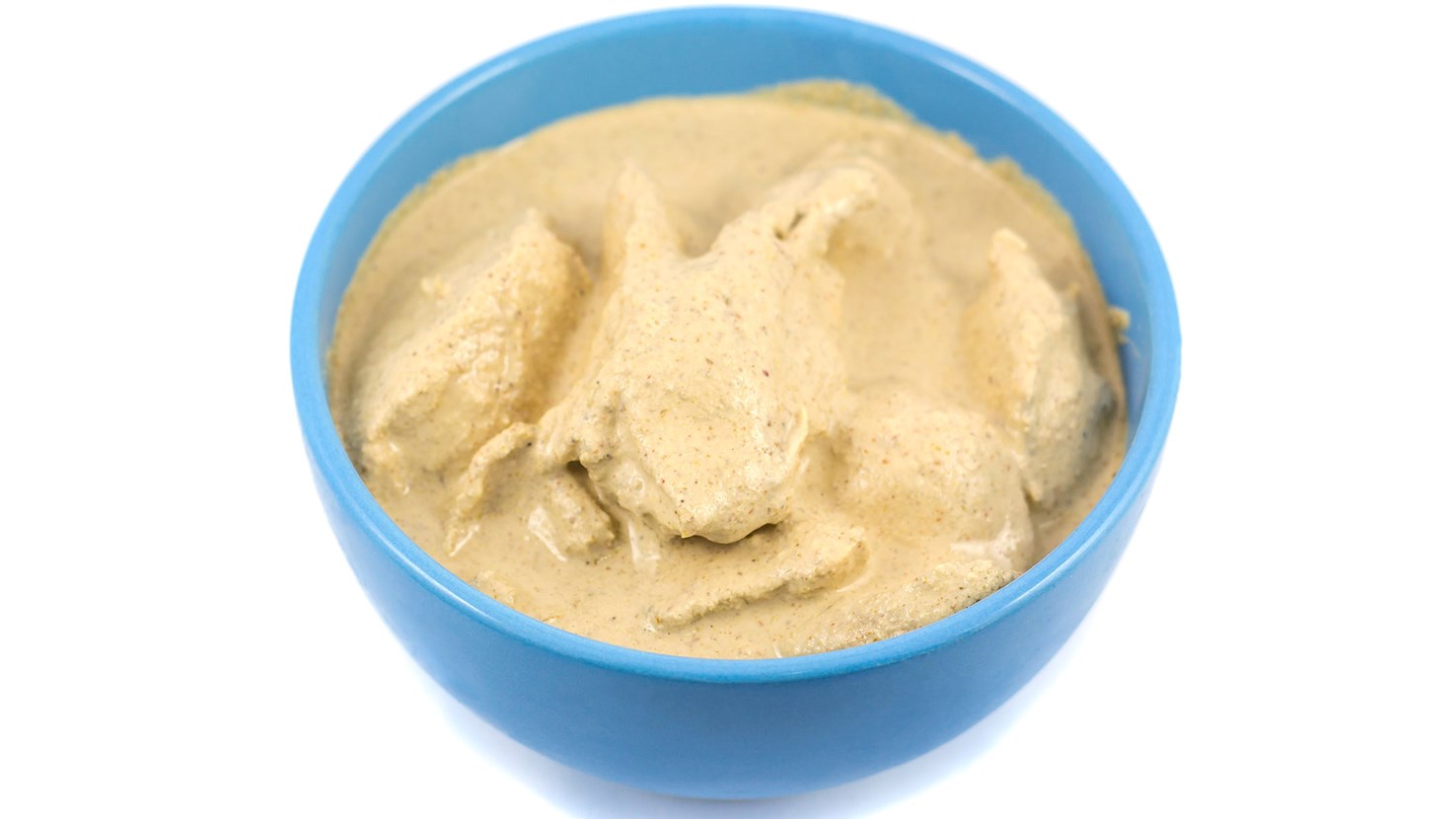
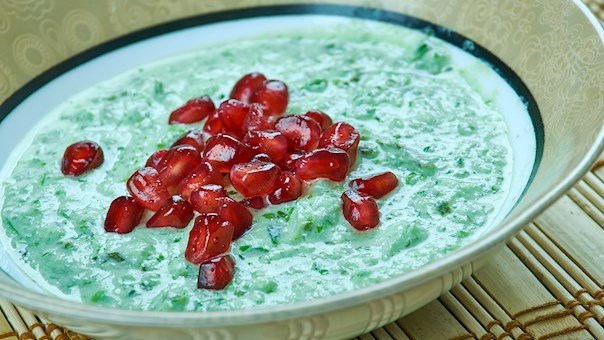
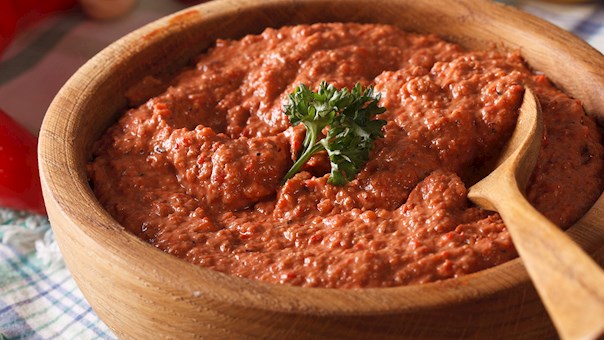
Satsivi is a thick and aromatic nut-based paste that is traditionally prepared in Georgia. It uses walnuts as the main ingredient and is typically served as an accompaniment to meat dishes. However, it can also be served with vegetable dishes, alongside fish, or even with boiled eggs. There is no universal recipe, and the varieties differ across Georgian regions, but they all usually incorporate garlic, coriander, cinnamon, vinegar and hot peppers. The consistency and thickness of the sauce are also versatile–it can either have a coarser texture or it can be served as a smooth and creamy sauce. The name satsivi means cold or cool and refers to the way the sauce is served. The most popular festive dish using this sauce is known as turkey satsivi, traditionally prepared and consumed on New Year.
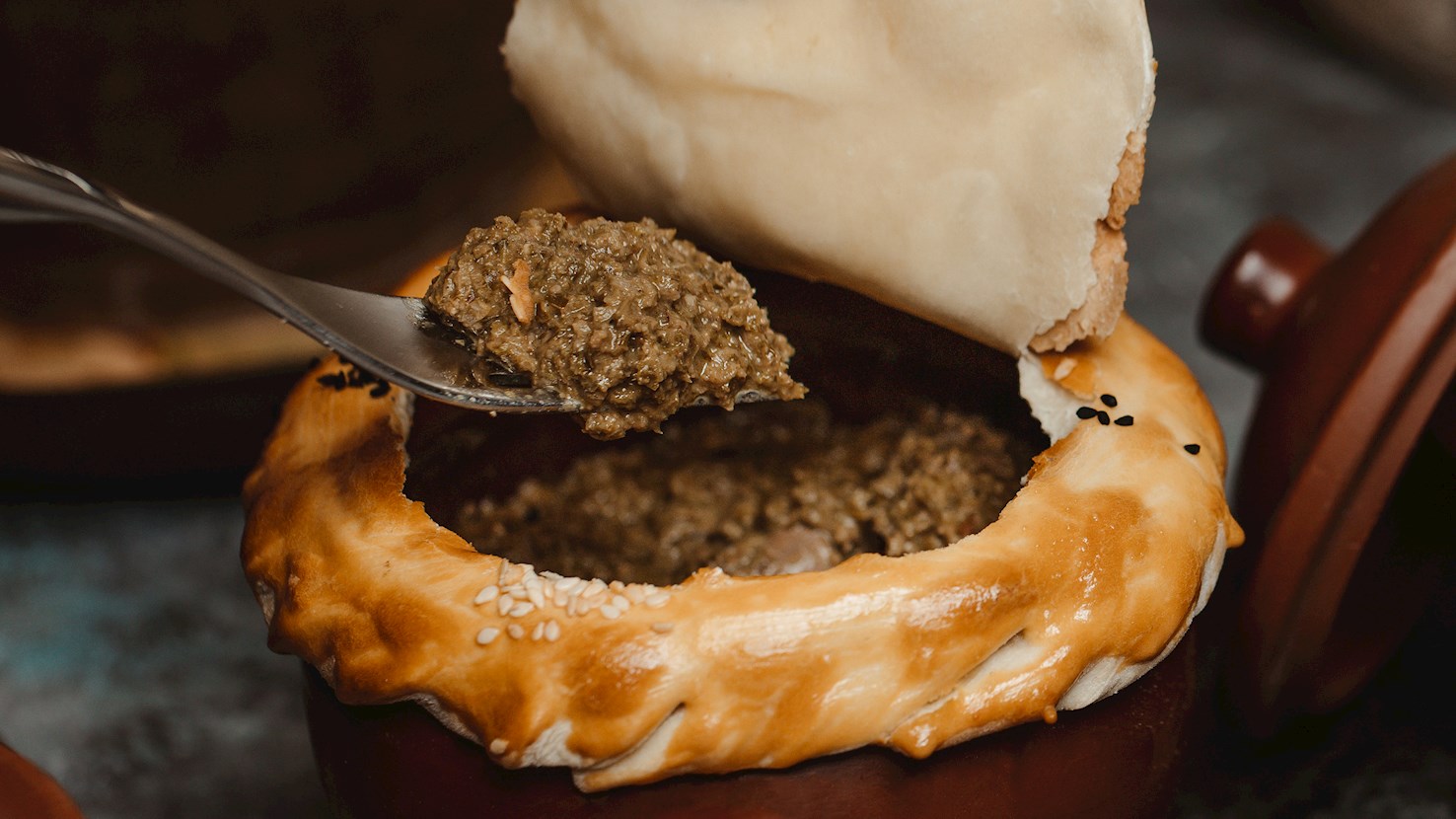
Levengi is a traditional stuffing made with walnuts, onions, and dried fruits such as raisins. The stuffing is typically additionally flavored with albukhara and alcha seasonings. It is often used in a variety of fish and poultry dishes, which are then traditionally paired with rice pilafs. Although the stuffing is usually associated with the region of Lenkeran, it is also commonly prepared and consumed in the Shrivan and Sheki-Zagatala regions as well.
TasteAtlas food rankings are based on the ratings of the TasteAtlas audience, with a series of mechanisms that recognize real users and that ignore bot,
nationalist or local patriotic ratings, and give additional value to the ratings of users that the system recognizes as knowledgeable.
For the “99 Best Rated Dishes with Walnuts” list until June 17, 2026, 1,000,987 ratings were recorded, of which 657,348 were recognized by the system as legitimate.
TasteAtlas Rankings should not be seen as the final global conclusion about food. Their purpose is to promote excellent local foods,
instill pride in traditional dishes, and arouse curiosity about dishes you haven’t tried.